
Neglected Tropical Diseases (NTDs) affect more than 120 million Nigerians and thrive in communities with poor access to safe water, sanitation, and hygiene (WASH) says the Federal Ministry of Health and Social Welfare.

This is according to a statement issued by the Head, Information and Public Relations of the Ministry, Alaba Balogun on Thursday.
According to Balogun, Permanent Secretary of the Ministry, Daju Kachollom noted this while unveiling two landmark policy documents designed to accelerate the elimination of Neglected Tropical Diseases (NTDs) by 2030.
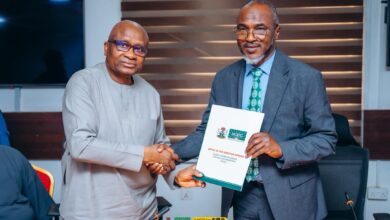
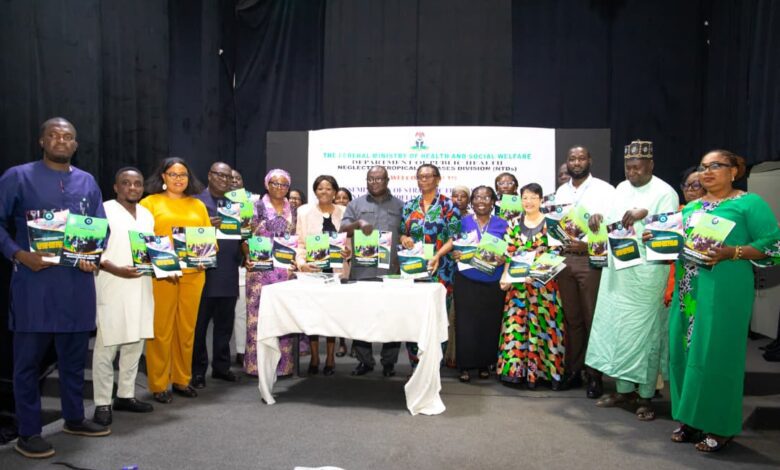
The documents namely-the Strategic Framework and Implementation Guidelines for NTDs-WASH and, the Advocacy Strategy and Toolkit for NTDs were disseminated recently at a meeting convened by the Federal Ministry of Health and Social Welfare in Abuja.
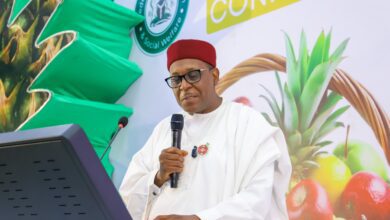
Delivering the key note address, the Permanent Secretary Federal Ministry of Health and Social Welfare, Daju Kachollom represented by the Director Port Health Division (Public Health Dept. FMoHSW), Dr. Nse Akpan described the launch as a turning point in Nigeria’s fight against NTDs, which affect more than 120 million Nigerians and thrive in communities with poor access to safe water, sanitation, and hygiene (WASH).
“NTDs remain one of the most significant public health and developmental challenges in our country. They perpetuate cycles of poverty, disability, and stigma.
“The framework provides a roadmap linking WASH services with disease control, while the toolkit equips us with the means to mobilise political will, community ownership, and domestic resources”, she said.
According to her, the framework is anchored on Nigeria’s NTD Master Plan (2023–2027) and the WASH Roadmap (2021–2030), integrating efforts across health, water resources, education, and environmental sectors. It emphasizes data sharing, institutional collaboration, operational research, and community-centred service delivery.
The Federal Government reaffirmed its commitment to achieving the 2030 elimination target, with the Permanent Secretary urging all stakeholders, including state and local governments, development partners, and communities to translate strategies into visible results: “Access to safe water and sanitation in endemic communities, stronger surveillance systems, improved financing, and healthier lives free from preventable diseases.”
On his part, Dr. Godwin Ntadom, Director Public Health Department represented by Mrs. Chinwe Okoye Programme Manager National Lymphatic Filariasis Elimination Programme FMoHSW; said the advocacy toolkit will be a “potent instrument for change,” providing strategies to engage policymakers and secure financing for sustained interventions.
The dissemination meeting brought together key stakeholders from federal and state ministries, development partners, civil society, and community representatives. Among the partners acknowledged for their technical and financial support were UNICEF, Sightsavers, CBM, MITOSATH, Helen Keller International, Evidence Action, and the Carter Centre.
Chairman of the NTD-WASH Subcommittee, Dr. Margaret Mafe, underscored the urgency of scaling up interventions, noting that WASH improvements are critical to eliminating diseases such as trachoma, schistosomiasis, and lymphatic filariasis.
She stressed that the success of the frameworks will depend on cross-sectoral collaboration, financial investment, and effective use of the advocacy tools to drive policy changes and behavioral shifts.