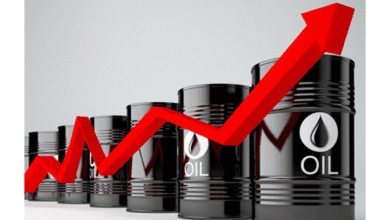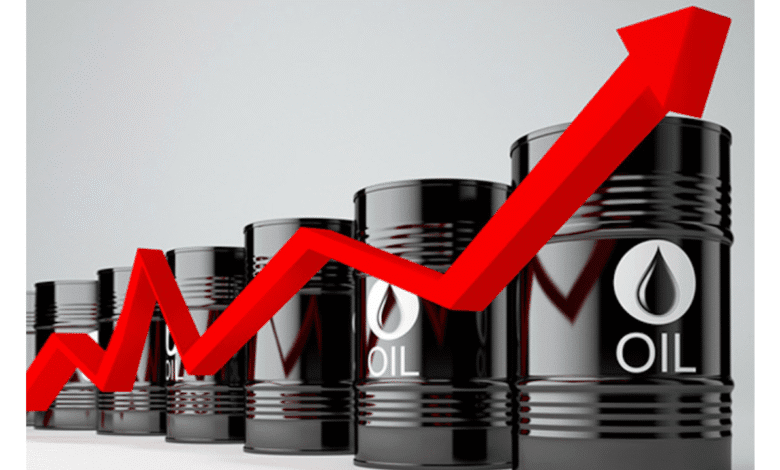

Oil prices rose about 2% on Friday as investors weighed a tight short-term market against a potential large surplus this year forecast by the IEA, while U.S. tariffs and possible further sanctions on Russia were also in focus.

Brent crude futures were up $1.35, or 2%, at $69.99 a barrel by 10:48 a.m. EDT (1458 GMT). U.S. West Texas Intermediate crude gained $1.49, or 2.2%, to $68.06 a barrel.
At those levels, Brent was headed for a 2.5% gain on the week, while WTI was up around 1.6% from last week’s close.
The IEA said on Friday the global oil market may be tighter than it appears, with demand supported by peak summer refinery runs to meet travel and power generation.
Front-month September Brent contracts were trading at a $1.18 premium to October futures at 10:48 a.m. EDT.
“Crude values are supported by perceptions of a major tightening in the balances with the continued steep spread curves offering explanation in this regard,” analysts at energy advisory firm Ritterbusch and Associates said in a note.
The short-term market tightness notwithstanding, the IEA boosted its forecast for supply growth this year, while trimming its outlook for growth in demand, implying a market in surplus.
“OPEC+ will quickly and significantly turn up the oil tap. There is a threat of significant oversupply. In the short term, however, oil prices remain supported,” Commerzbank analysts said in a note, referring to the Organization of the Petroleum Exporting Countries and allies including Russia.
Further adding support to the short-term outlook, Russian Deputy Prime Minister Alexander Novak said on Friday that Russia will compensate for overproduction against its OPEC+ quota this year in the August-September period.
One other sign of robust short-term oil demand was the prospect of Saudi Arabia shipping about 51 million barrels of crude oil in August to China, the biggest such shipment in more than two years.
On a longer-term basis, however, OPEC cut its forecasts for global oil demand in the 2026-2029 period because of slowing Chinese demand, the group said on Thursday in its 2025 World Oil Outlook.
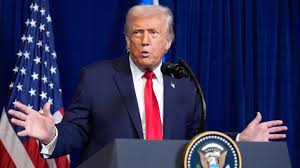
Both benchmark futures contracts lost more than 2% on Thursday as investors worried about the impact of U.S. President Donald Trump’s evolving tariff policy on global economic growth and oil demand.
“Prices have recouped some of this decline after President Trump said he plans to make a ‘major’ statement on Russia on Monday. This could leave the market nervous over the potential for further sanctions on Russia,” ING analysts wrote in a client note.
Trump has expressed frustration with Russian President Vladimir Putin due to the lack of progress in ending the war in Ukraine and Russia’s intensifying bombardment of Ukrainian cities.
The European Commission is set to propose a floating Russian oil price cap this week as part of a new draft sanctions package, but Russia said it has “good experience” of tackling and minimizing such challenges. (Reuters)