
Nigeria’s New Security Chiefs: Navigating Reform, Threats, and International Scrutiny
By Anne Osemekeh


Nigeria’s security landscape is once again at a crossroads. With the recent appointment of new Service Chiefs, President Bola Tinubu has set the stage for what many hope will be a decisive reset of the nation’s security architecture. The change at the top comes amid growing public demand for fresh ideas, stronger coordination, and measurable results in the fight against insurgency, banditry, oil theft, and emerging threats across the country.
For over a decade, Nigeria’s security challenges have tested successive administrations, stretching the capacity of the Armed Forces and other security institutions. From the North-East to the South-South, citizens yearn for safety, stability, and renewed trust in the men and women tasked with defending them. The new chiefs, each seasoned in their respective commands, inherit a complex battlefield—one that requires not just tactical brilliance but also strategic vision, innovation, and unity of purpose.
As Nigerians watch closely, the question is no longer whether change is necessary, but whether these new leaders can translate their experience into a coordinated security framework that restores confidence, strengthens inter-agency collaboration, and delivers peace that is both durable and inclusive.
Where Nigeria’s Security Architecture Stands
Nigeria’s security system has long been described as vast but fragmented — a web of military, paramilitary, and intelligence agencies operating under overlapping mandates. At the centre is the Armed Forces, comprising the Army, Navy, and Air Force, working alongside the Nigeria Police Force, Department of State Services (DSS), Nigeria Security and Civil Defence Corps (NSCDC), and a range of specialized outfits such as the Defence Intelligence Agency and the National Intelligence Agency.
Yet, despite this extensive network, insecurity persists on multiple fronts. The country continues to grapple with Boko Haram and Islamic State affiliates in the North-East, armed bandits in the North-West, communal conflicts in the Middle Belt, separatist agitation in the South-East, and oil theft and piracy in the Niger Delta. These overlapping threats have exposed weaknesses in coordination, intelligence sharing, and resource management across agencies.
Successive governments have launched numerous strategies — from “Operation Lafiya Dole” to “Operation Safe Haven” and the creation of Joint Task Forces — but the results have been mixed. Experts argue that while tactical operations have yielded periodic victories, the absence of a unified national security doctrine and institutional synergy has often undercut long-term stability.
A new and urgent international pressure is now part of the security calculus. In early November 2025, the United States redesignated Nigeria a “country of particular concern” over allegations of widespread violations of religious freedom, and President Donald Trump said he had ordered the Pentagon to prepare plans for possible military action and to cut aid if the Nigerian government did not act. The moves have sharpened diplomatic scrutiny and added a foreign-policy dimension to the new chiefs’ mandate, placing greater emphasis on both rapid operational results and careful management of civilian harm and political fallout.
The New Faces and Their Track Record
The newly appointed Service Chiefs arrive at a moment of both uncertainty and opportunity. Each brings a distinct operational background and leadership style that could shape Nigeria’s evolving security architecture in the months ahead.
General Olufemi Oluyede — Chief of Defence Staff (CDS)
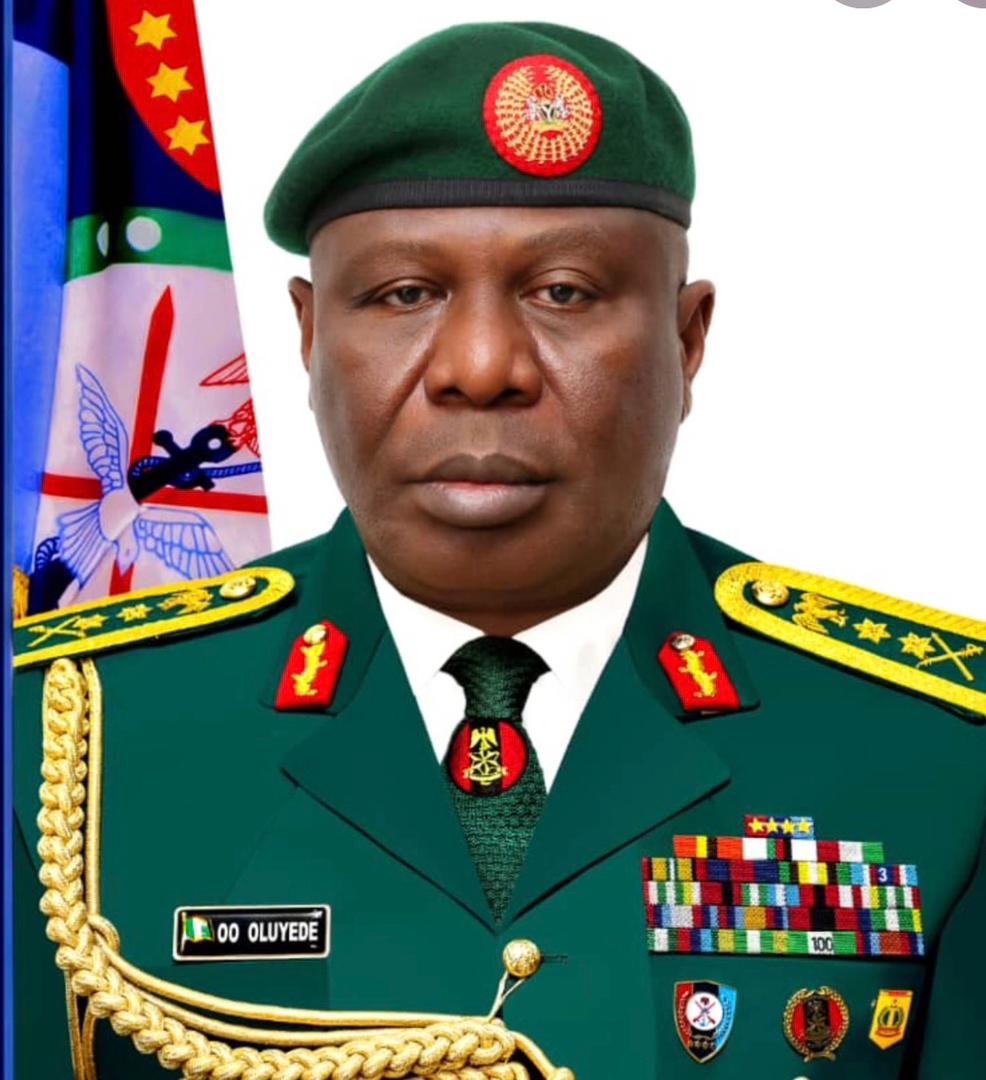
The new CDS has held several key positions in the Nigerian army, and is widely regarded as one of the Force’s most experienced operational commanders. He brings vast experience in military command, operational strategy, and peacekeeping to his new role, following a distinguished career spanning nearly four decades in the Nigerian Armed Forces. He is widely respected for his professionalism, discipline, and commitment to duty, which have earned him recognition both within and outside the Nigerian military establishment. His promotion to Lieutenant General coincided with his appointment as COAS, reflecting his seniority and distinguished record. General Oluyede has played key roles in internal security and counterinsurgency operations, particularly in Nigeria’s Northeast and other conflict-prone regions.His career has been defined by years of front-line experience, dedication to military professionalism, and commitment to restoring operational efficiency across commands. As Chief of Defence Staff, General Oluyede is charged with coordinating the strategic operations of the Nigerian Army, Navy, and Air Force.
He is expected to drive synergy among the services, strengthen joint operations, and enhance the nation’s defence architecture to address emerging security challenges.
Major General Emmanuel Akomaye Parker Undiandeye – Chief of Defence Intelligence
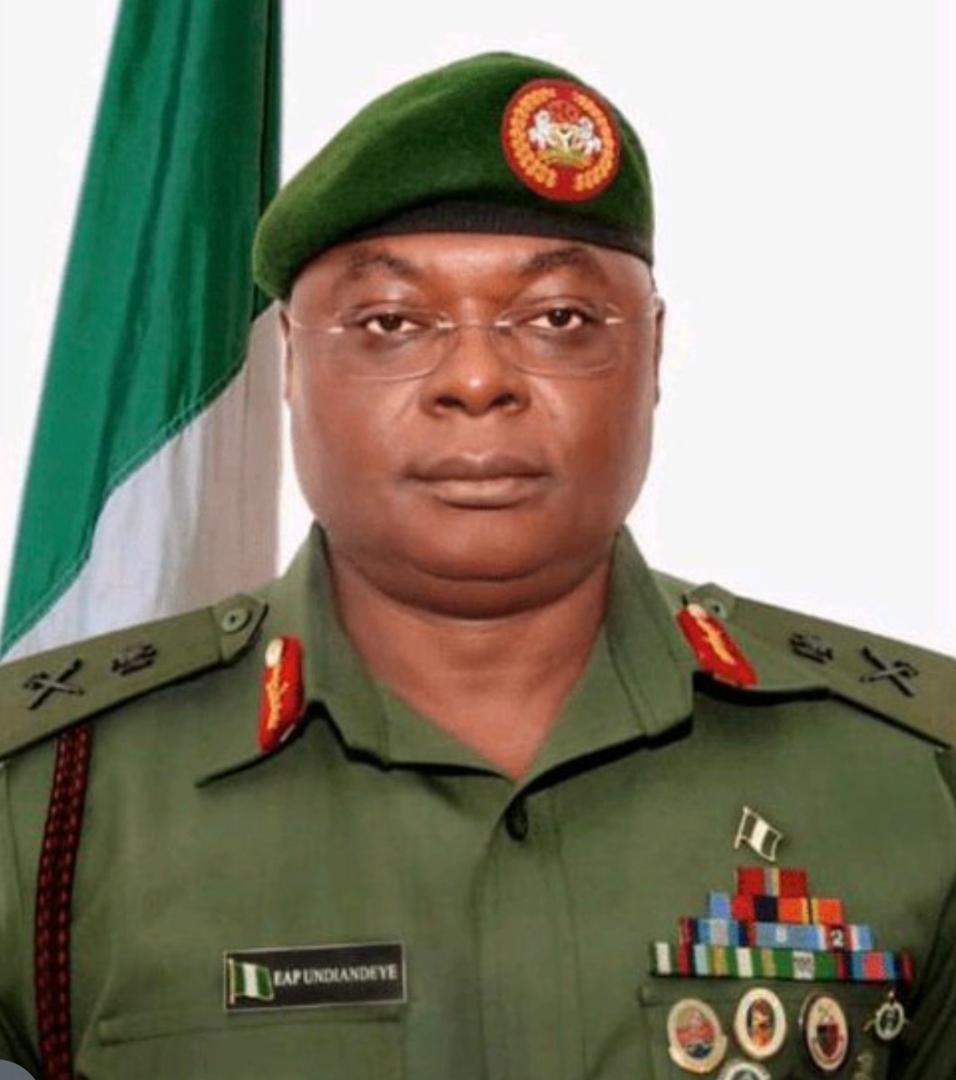
Major General Emmanuel Akomaye Parker Undiandeye hails from Bedia in the Obudu Local Government Area of Cross River State, Nigeria. A member of the Nigerian Army’s Intelligence Corps, he previously served as Commandant of the Martin Luther Agwai International Leadership & Peacekeeping Centre in Jaji, Kaduna. In June 2023, he was appointed as the Chief of Defence Intelligence (CDI) of Nigeria, placing him at the helm of coordinating intelligence operations across the armed forces.
As the Chief of Defense Intelligence, Undiandeye will be responsible for overseeing and coordinating intelligence activities across various branches of the Nigerian armed forces.
His primary focus will be to enhance the intelligence capabilities of the defence sector, strengthen information-gathering networks, and provide critical insights to support military operations.
Maj. Gen. Waidi Shaibu – Chief of Army Staff (COAS)
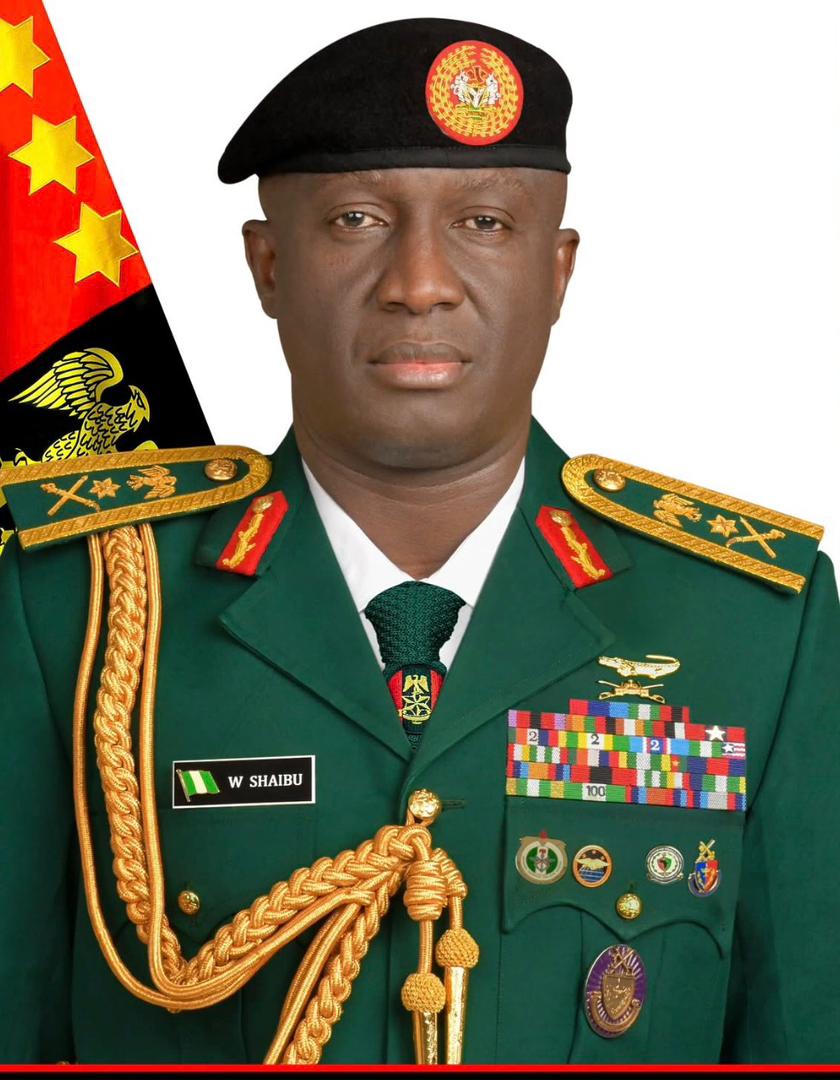
Shaibu’s appointment marks what many observers describe as a defining phase in the continued transformation of the Nigerian Army towards enhanced operational readiness, professionalism, and a renewed commitment to the defence of national sovereignty. He has held several strategic, command and instructional appointments, including General Officer Commanding (GOC) 7 Division and Commander Sector 1, Operation HADIN KAI, Maiduguri; Brigade Commander, 21 Special Armoured Brigade, Bama; and Chief of Training, Army Headquarters. He also served as Military Assistant to the Chief of Staff, Armed Forces of Liberia, and Military Observer with the African Mission in Sudan.
As the 25th Chief of Army Staff, Maj.-Gen. Shaibu is expected to bring renewed vigour, strategic foresight, and operational audacity to the Army’s transformation efforts.
Observers say his leadership will likely consolidate ongoing reforms, strengthen joint operations, enhance intelligence-led warfare, and promote innovation in defence technology, logistics, and personnel development.
Air Vice Marshal Sunday Kevin Aneke – Chief of the Air Staff (CAS)
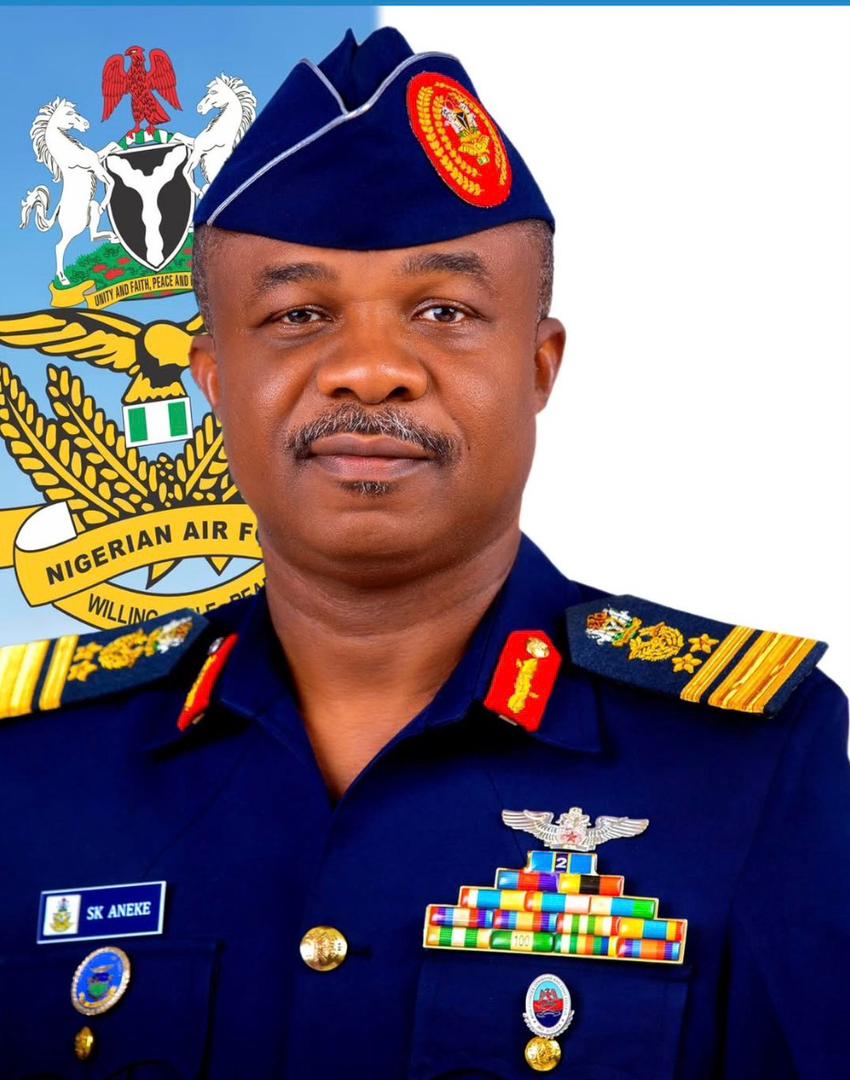
The appointment has been described as the beginning of a new era for the Nigerian Air Force (NAF) — one characterised by intellectual depth, operational precision, and renewed commitment to strengthening national security and airpower excellence. Air Vice Marshal Aneke is a highly accomplished scholar and strategic thinker. He holds a Bachelor of Science Degree in Physics, a Postgraduate Diploma in Management from the University of Calabar, and two Master’s Degrees — one in International Affairs and Diplomacy from Ahmadu Bello University, Zaria, and another in Political Economy and Development Studies from the University of Abuja.
An accomplished pilot with over 4,359 flying hours, Air Vice Marshal Aneke is type-rated on several aircraft including the Air Beetle 18, Dornier 228, Citation 500, Falcon 900, Gulfstream V, Gulfstream 550, and Hawker 4000.
His operational experience spans both domestic and international theatres — from Operation Restore Hope in the Niger Delta to United Nations peacekeeping operations in the Democratic Republic of Congo (MONUC), where he served as Chief of Air Operations, Kindu Region.
Air Vice Marshal Aneke has made significant contributions to intelligence, surveillance, and reconnaissance (ISR) operations, enhancing the Nigerian Air Force’s counter-insurgency and air support capabilities. His military training and exposure have equipped him with the expertise to manage complex air operations and formulate strategic defence policies essential for modern warfare.
As the 23rd Chief of the Air Staff, Air Vice Marshal Sunday Kelvin Aneke brings a wealth of experience and strategic depth that are expected to reposition the Nigerian Air Force for greater operational efficiency in combating terrorism, insurgency, and other emerging security challenges.
Under his leadership, the Nigerian Air Force is set to strengthen airpower projection, deepen intelligence-led operations, and drive innovation in defence technology and human capacity development, in line with the renewed vision of the Commander-in-Chief, President Bola Ahmed Tinubu.
Rear Admiral Idi Abbas – Chief of thd Naval Staff (CNS)
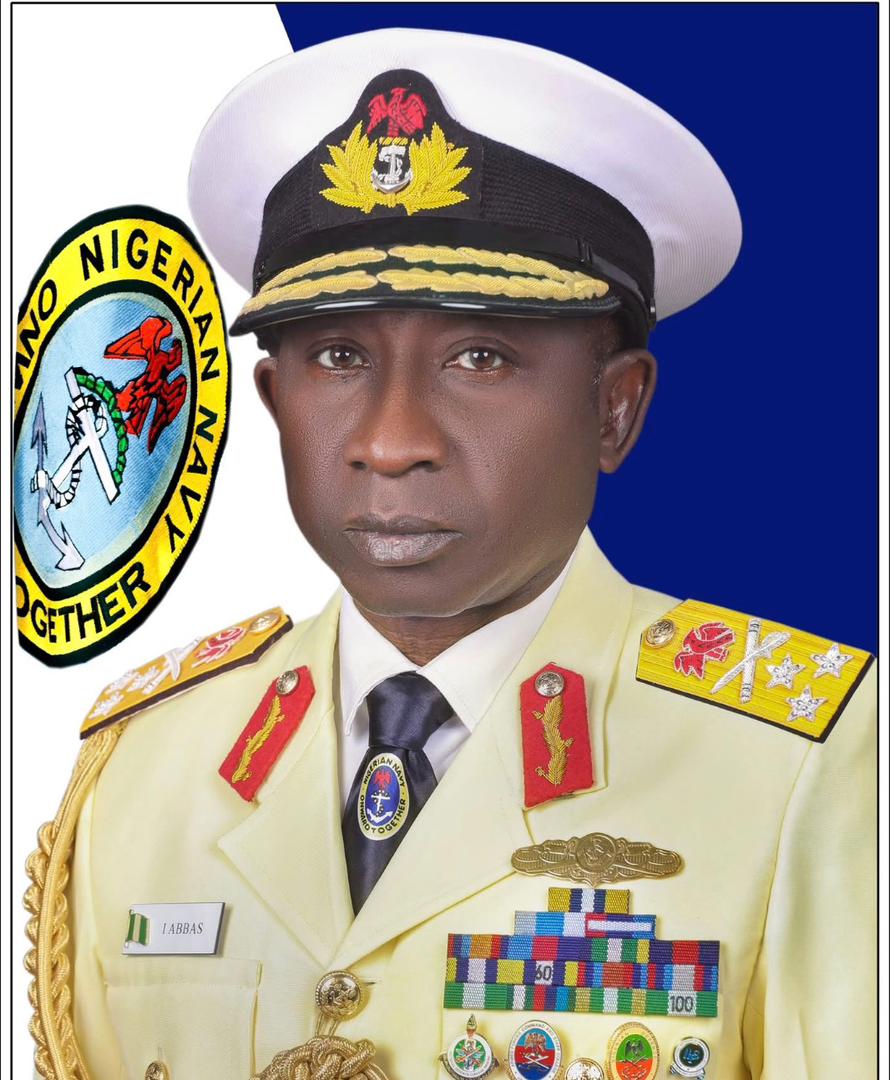
The newly appointed CNS is an Above Water Warfare (AWW) specialist officer who has attended several military courses at home and abroad, including the Sub-Lieutenant Technical Course at NNS QUORRA in 1994, the Junior and Senior Staff Courses at the Armed Forces Command and Staff College Jaji in 2001 and 2005 respectively.
He is a thoroughbred professional Seaman Executive Officer who rose through all the ranks in NN before his appointment. He became a Midshipman on 18 September 1996, 2001, and 2006, respectively, and was promoted to the ranks of Lieutenant, Lieutenant-Commander, and Commander. He became a Navy Captain in September 2011, a Commodore in 2016 and a Rear Admiral on 10 September 2020.
The 23rd indegenous head of the Nigerian Navy has pledged to strengthen maritime security, enhance operational capacity and uphold the Service’s core values of integrity, professionalism and teamwork.
With a mission to “deploy a highly motivated and professional naval force capable of safeguarding Nigeria’s maritime interests and contributing effectively to joint operations in defence of national sovereignty and maintenance of internal stability”, Nigerians would expect to see a repositioning of the Nigerian Navy to further filtil all her constitutional roles.
Public and Expert Expectations
With every change in Nigeria’s security leadership comes a wave of renewed hope — and cautious skepticism. From city streets to conflict-affected rural communities, Nigerians are watching the new chiefs with a mixture of expectation and urgency. The consensus is clear: the country cannot afford business as usual.
Ordinary Nigerians want tangible results. For many citizens, expectations are simple but deeply felt — safer highways, secure farmlands, reduced kidnappings, and an end to constant headlines of violence.
Security analysts seek a shift in doctrine and coordination. Lagos-based defence analyst, Major (Rtd.) Tunde Akinyele, notes that “Nigeria’s greatest weakness has been the lack of synergy among its security agencies. The new chiefs must build a common operational picture and streamline command structures to avoid duplication and confusion.”
Civil society groups call for accountability and rights protection. Groups such as the CLEEN Foundation and the Centre for Democracy and Development (CDD) emphasize that the new chiefs must strengthen public trust through transparency and respect for human rights.
Technology and innovation are rising expectations. Across policy circles, there’s anticipation that the new leadership will invest in modern surveillance, drones, and data analytics to improve real-time response.
A unifying national security vision. Ultimately, Nigerians expect the new chiefs to articulate and implement a shared strategic vision — aligning military operations with political, economic, and social solutions.
Strategic Priorities the New Chiefs May Pursue
Lawrence Alobi, a retired Deputy Inspector General of Police (DIG), however, described President Tinubu’s decision as “timely.”
“The outgoing Service Chiefs did their best, and the President knew there was a need to inject fresh ideas into the battle to deal with growing insecurity,” he said, adding they must quickly recover communities under the control of bandits. “They must flush them out of those places and also stop them from spreading to other areas.”
Experts have put forward strategies such as: strengthening Joint Operations and inter-agency collaboration. The service chiefs have to institutionalise jointness across services to avoid duplication and improve operational efficiency.
Intelligence Fusion and Predictive Security: this would involve creating national intelligence hubs for pre-emptive action, linking military, police, and civilian data systems;
Modernization and Technological Integration – expanding drone use, satellite surveillance, and cyber-security operations to enhance situational awareness;
Enhancing troop welfare, discipline and training, strengthening civil-military relations, through community engagement, dialogue, and transparent communication to build public trust;
Maritime Security and Economic Protection: greater effort must be made towards securing Nigeria’s maritime domain against piracy, illegal bunkering, and cross-border smuggling;
Institutional Reform and Policy Continuity: establishing frameworks that ensure long-term security planning beyond political cycles.
Challenges They Will Face
Nigeria’s security forces are operating under immense strain. Analysts blame the crisis on inadequate funding, corruption, and poor coordination among security agencies.
In February last year, media reports claimed the Guards Brigade had been placed on high alert following “unusual movements” — allegations swiftly dismissed by the Defence Headquarters as “malicious and unfounded.” A similar episode occurred in October 2025, when social media buzzed with rumours of a foiled coup linked to the cancellation of Nigeria’s 65th Independence Day parade and the detention of 16 senior officers.
Once again, the military branded the claims “entirely false and intended to cause unnecessary tension.”
Experts, however, say the rumours reflect a broader national mood of uncertainty.
“They mirror the anxiety of a populace confronting insecurity and economic hardship while losing confidence in the state’s ability to protect them,” one security analyst said.
There are also regional, transnational, and diplomatic pressures – cross-border insurgency, arms trafficking, and recent U.S. designation as a “country of particular concern”, with Trump ordering Pentagon contingency planning. The chiefs must balance national sovereignty with the need to demonstrate results, maintain civilian protection, and manage international scrutiny.
The Road Ahead
Early wins in stabilizing hotspots, reducing kidnappings, and improving response times are critical to restore confidence. Long-term reforms in inter-agency coordination, troop welfare, and technology adoption will determine whether these improvements endure.
Civil-military engagement, adherence to human rights, and transparent communication will rebuild public trust. At the same time, international scrutiny — including U.S. pressure — adds urgency to both operational effectiveness and careful diplomacy. The new leadership must demonstrate results without escalating tensions or undermining sovereignty.
The appointment of Nigeria’s new security chiefs represents a strategic opportunity to reshape the country’s approach to safety, stability, and governance. Nigerians expect coordination, intelligence-driven operations, accountability, and tangible improvements in security.
While challenges — insurgency, banditry, resource constraints, bureaucracy, and international scrutiny — are formidable, the combination of experienced military leadership and strategic civilian guidance offers a chance for meaningful reform. Early operational successes, modernization, and community engagement could transform public perception and strengthen institutional resilience.
Ultimately, the new chiefs’ legacy will be measured by their ability to create a security architecture that protects lives, safeguards communities, and upholds Nigeria’s sovereignty — navigating both domestic complexities and global expectations. This is a pivotal moment: a chance to reset not only the machinery of security but also the narrative of national hope.