
Operation Whirl Stroke: How Troops Are Stabilising Nigeria’s North Central
By Anne Osemekeh, Abuja

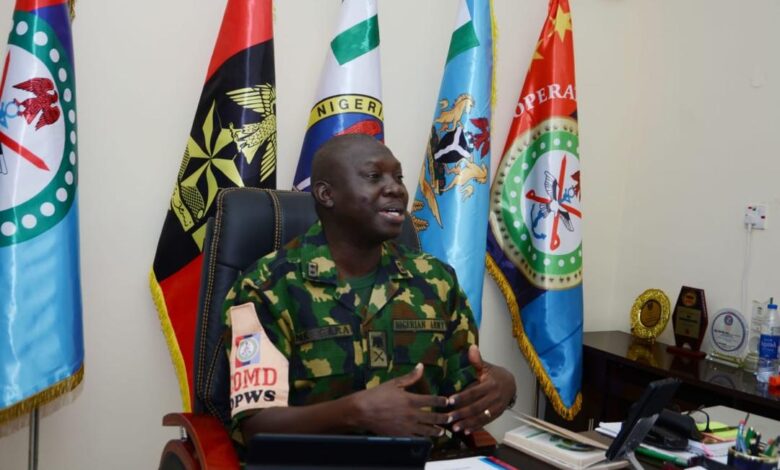

From dense forests in Benue to remote border communities in Nasarawa, soldiers of Operation Whirl Stroke (OPWS) patrol terrain where criminal gangs once operated with near impunity. Often unseen, their presence has nonetheless become a defining factor in the gradual stabilisation of Nigeria’s North Central region—an area long troubled by communal violence, banditry and kidnapping.

Established on 28 April 2018, Joint Task Force North Central Operation Whirl Stroke (JTF NC OPWS) was created as an intervention force to contain escalating insecurity across Benue, Nasarawa and Taraba states. Its mandate spans a wide spectrum of threats, including farmer–herder clashes, communal crises, armed herders’ attacks, banditry, cultism, kidnapping and other organised criminal activities.
A multi-agency outfit, OPWS draws personnel from the Nigerian Army, Nigerian Navy, Nigerian Air Force, Nigeria Police Force, Department of State Services, Defence Intelligence Agency, and the Nigeria Security and Civil Defence Corps.
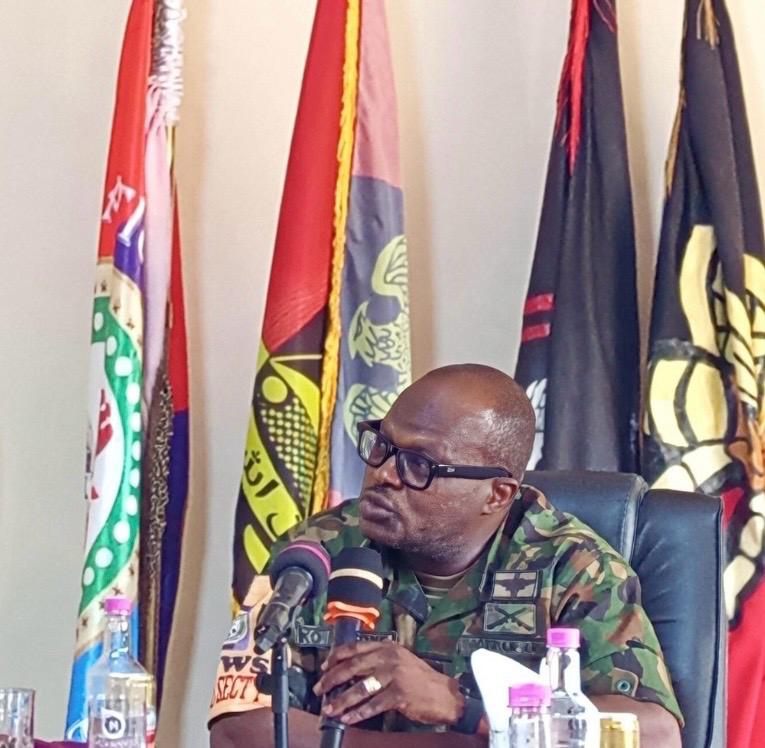
Beyond restoring law and order, the force was tasked with protecting vulnerable civilians and creating the conditions for the return of normal socio-economic life within its Joint Operations Area.
Operating in Difficult Terrain
Troops operate across some of the most challenging landscapes in the country—ranging from mangrove swamps and riverine corridors to mountainous terrain, savannah and dense rainforest. The area is crisscrossed by rivers draining into the River Benue, with poor road networks and swampy ground limiting vehicular access in many locations. In parts of Taraba and Benue states, thick forests and rugged hills require the use of motorcycles and foot patrols to ensure mobility, rapid response and sustained presence.
To achieve its mandate, OPWS conducts reconnaissance, fighting and confidence-building patrols, raids, riverine operations, cordon-and-search missions, as well as snap, sting and clearance operations aimed at identifying and dismantling criminal camps and hideouts.
A Complex Threat Environment
While the general security situation within the Joint Operations Area is relatively calm, it remains unpredictable due to the persistence of multiple, overlapping threats. Among the most significant are armed herders’ attacks, often triggered by encroachment into farmlands or criminal violence that sparks reprisals between farming and pastoral communities.
On 7 November 2025, such an attack in a local government area of Nasarawa State left 2 locals dead and 1 abducted, reinforcing OPWS’s focus on civilian protection.
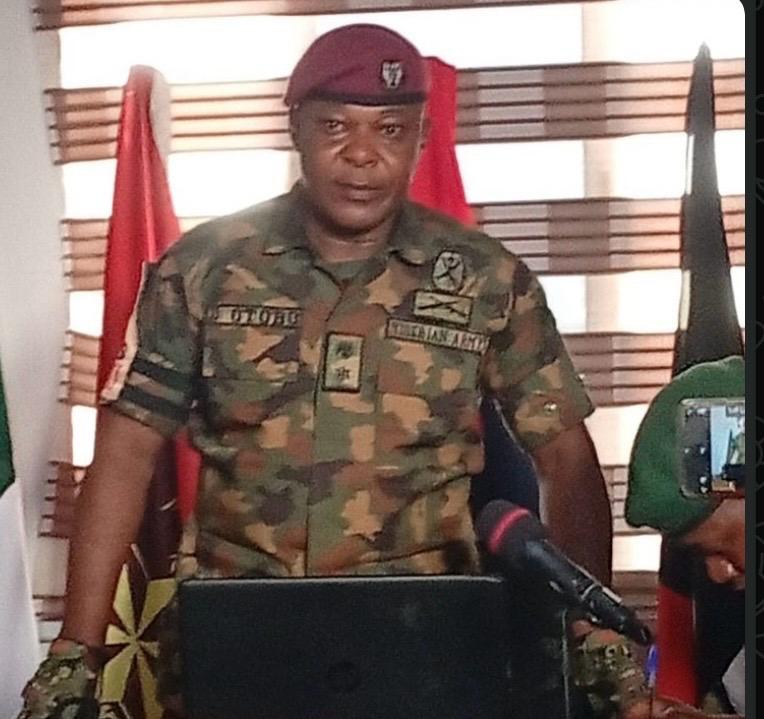
Banditry also remains a serious concern. On 11 November 2025, troops raided identified bandit kingpin camps, neutralising one suspect and recovering two AK-47 rifles, five magazines, a hand grenade, 162 rounds of ammunition and ₦265,500. Similarly, on 4 January 2026, a snap operation in Takum LGA of Taraba State led to the recovery of 13 AK-47 rifles, 38 magazines, 690 rounds of ammunition and four hand grenades.
Kidnapping for ransom continues to be a lucrative criminal enterprise. On 3 August, troops of Sector 1, supported by air components, raided suspected kidnappers’ hideouts in Benue State, arresting 2 suspects and rescuing 11 victims—including two police inspectors. Additional victims were rescued during follow-up operations in Gwer West LGA in October.
These successes were driven largely by credible intelligence and carefully executed, intelligence-led operations. Other persistent threats include cattle rustling, which fuels reprisal violence, ethnic and communal clashes such as the Tiv–Jukun crisis, militia activities in remote rural areas, illegal arms proliferation, drug trafficking, and illegal mining, particularly in parts of Benue and Nasarawa states.
Kinetic Operations and Measurable Gains
To counter these threats, OPWS has sustained a high tempo of kinetic operations, coordinated across its three operational sectors. Within the period under review, troops conducted 1,896 kinetic operations, including fighting patrols, raids, clearance missions and other targeted patrols. One notable operation occurred on 15 October at an armed herders’ crossing point in Tongo, Benue State, where troops laid a successful ambush, neutralising one armed herder and recovering an AK-47 rifle, a magazine and 14 rounds of ammunition. At the sector level, the 401 Special Forces Brigade alone carried out 350 fighting patrols, 128 raids and 72 clearance operations, primarily aimed at identifying and dismantling militia camps.
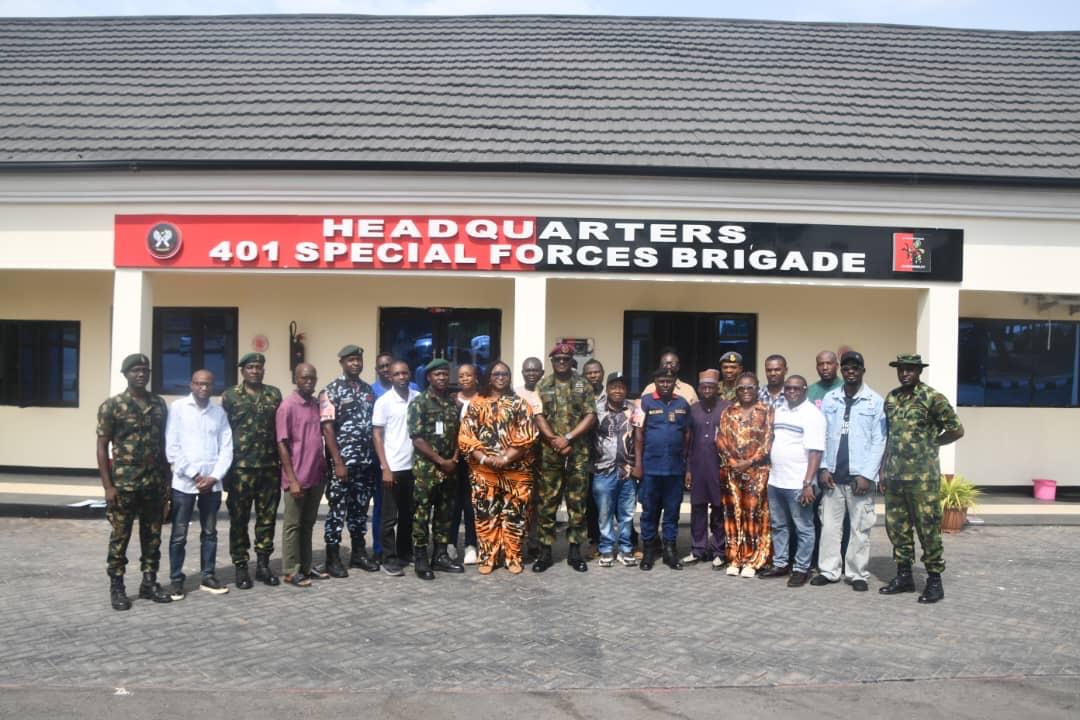
The brigade also conducted 186 escort and administrative patrols, reflecting the wide range of tasks required to secure communities and protect critical movements. In the process, troops destroyed 1,080 bandit camps and rescued 657 kidnapped victims.
Winning Trust Beyond the Battlefield
Recognising that military force alone cannot deliver lasting peace, OPWS has increasingly emphasised non-kinetic operations to de-escalate tensions and build public confidence. These efforts include peace-building initiatives, sensitisation campaigns, leadership engagements, and humanitarian outreach.
A prominent example is the Agatu peace-building initiative, which has since served as a model for other local government areas such as Apa and Gwer East. The approach relies on sustained dialogue, joint peace committees and economic empowerment to address long-standing grievances.
OPWS has also institutionalised regular engagements with traditional rulers, religious leaders and civil society organisations, strengthening civil-military relations, improving intelligence gathering and enabling early conflict resolution.
Participation in security summits and stakeholder forums has further reinforced dialogue between security agencies and host communities.
Humanitarian interventions have complemented these efforts. Since September 2025, about 10,000 customised notebooks and learning materials have been distributed to primary schools and orphanages in Makurdi, Guma and Naka, while palliatives were provided to IDP camps in Mbawa and Naka, easing the burden on displaced families.
Sport has also been used as a peace-building tool. A novelty football match organised in Yelwata community, Guma LGA, symbolised the return of calm and helped foster unity, trust and civil-military cooperation among local residents.
Achievements and Impact
Between January 2025 and date, OPWS has recorded significant outcomes, including the rescue of 657 kidnapped victims, neutralisation of 124 criminals, recovery of 2,465 rustled cattle, arrest of 38 gunrunners, destruction of gun-fabricating workshops, and the recovery of 98 assorted weapons and over 6,000 rounds of ammunition.
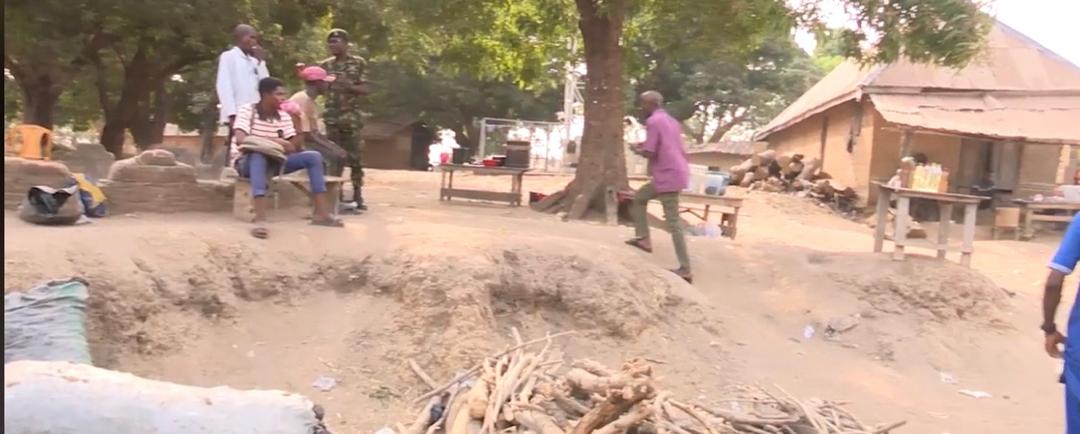
More than 60,000 internally displaced persons have returned to their ancestral homes, while peace and reconciliation meetings have helped defuse tensions between farmers, herders and community groups across multiple states.
Looking Ahead
Looking forward, OPWS plans to consolidate these gains through sustained offensive operations, intensified farm patrols to enhance food security, expanded in-theatre training—particularly ahead of dry-season operations—and deeper community engagement.
The force also aims to support the safe return of displaced persons, strengthen collaboration with civil authorities, and counter narratives that fuel ethnic division.
While insecurity has not been completely eradicated, Operation Whirl Stroke has reshaped the security landscape of Nigeria’s North Central region—pushing back criminal elements and giving communities the breathing space to rebuild their lives. In a region long defined by fear and uncertainty, the operation has helped replace silence with cautious hope.