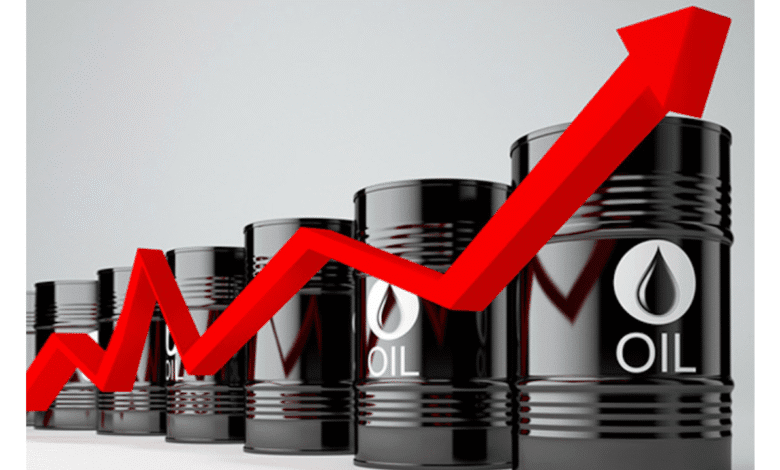


Oil prices jumped more than 5% in Monday trading on fears that a fragile ceasefire between the United States and Iran could break down after the U.S. seized an Iranian cargo ship and traffic through the Strait of Hormuz remained largely halted.
Brent crude futures advanced $4.61, or 5.1%, to $94.99 a barrel by 11:26 a.m. ET (1526 GMT) and U.S. West Texas Intermediate was up $4.33, or 5.16%, at $88.18.
Both contracts had tumbled by 9% on Friday for their largest daily declines since April 18 after Iran said that passage for all commercial vessels through the Strait of Hormuz was open for the remainder of the ceasefire.
U.S. President Donald Trump, meanwhile, said that Iran had agreed never again to close the strait through which about a fifth of the world’s oil supply passed before the war began almost two months ago.
“The strait remains under a double blockade, uncertainty around an agreement is higher than ever and Tuesday’s ceasefire deadline hangs over markets,” said Nikos Tzabouras, market analyst at Tradu.
“These factors can push crude even higher and, even if a resolution is achieved, it will be hard for prices to return to pre-war levels as supply is unlikely to be restored overnight.”
The United States said on Sunday that it had seized an Iranian cargo ship that tried to break through its blockade while Iran said it would retaliate, heightening fears of a resumption in hostilities.
Iran is considering attending the peace talks, a senior Iranian official told Reuters on Monday, but no decision had been made.
Vice President JD Vance and the U.S. delegation is set to land in Pakistan within hours for talks on Iran, President Donald Trump told the New York Post in an interview on Monday.
“The financial market is trading negotiations, improvements and resolution while at the same time the physical market is deteriorating day by day,” said SEB Research analyst Bjarne Schieldrop. “Physical oil flows remain constrained by disrupted flows, longer voyage times and elevated freight and insurance costs.”
Shipping traffic through the Strait of Hormuz remained at a virtual standstill on Monday, with only three crossings in the past 12 hours, shipping data showed.
More than 20 ships passed through the strait on Saturday, carrying oil, liquefied petroleum gas, metals and fertilisers, Kpler data showed. That was the highest number of vessels crossing the waterway since March 1.
Elsewhere, China is curtailing refined fuel exports rather than banning them, with countries including Malaysia and Australia receiving supplies even after Beijing extended last month’s restriction into April, according to shipping data and traders. (Reuters)