

The Federal Government has convened an emergency stakeholder engagement to address the recent surge in prices of Liquefied Petroleum Gas (LPG), with officials pointing to supply disruptions, foreign exchange pressures and market manipulation as the key drivers of the crisis.
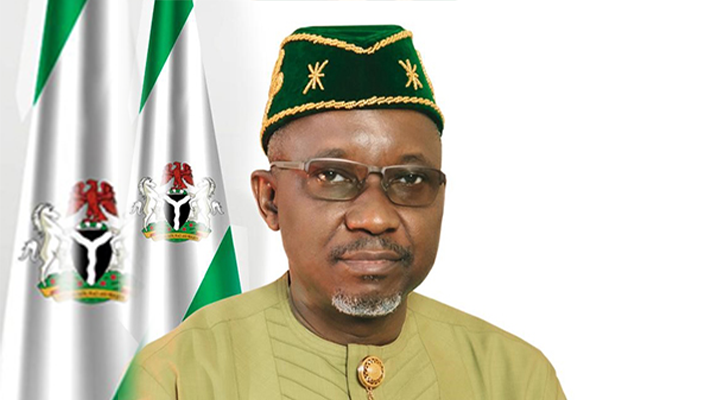
Minister of State for Petroleum Resources (Gas), Rt. Hon. Ekperikpe Ekpo, who convened the meeting on Monday in Abuja, said the price spike was a matter of public welfare demanding urgent coordinated action across the LPG value chain.
“When a family refills a cooking gas cylinder at a higher price, it affects the household budget. When a food vendor, restaurant, or small business pays more for LPG, operating costs rise and consumers feel the effect,” the Minister said.
He said the situation underscored the need to improve domestic supply, reduce import exposure, and ensure that Nigeria’s gas resources serve Nigerians first. According to him, prioritizing Nigerian-produced LPG for domestic consumption remains central to strengthening local availability and preventing diversion.
Meanwhile, the Nigerian Midstream and Downstream Petroleum Regulatory Authority (NMDPRA), told the meeting that average daily LPG supply had improved from 4,262 metric tonnes per day in May to 5, 040 metric tonnes per day in June.
The authority said planned supply volumes for June were expected to exceed estimated national demand, subject to timely delivery and distribution.
NMDPRA Authority Chief Executive, Rabiu Umar identified inadequate distribution infrastructure, incomplete domestication of local LGP production, non-cost reflective pricing by wholesalers and retailers, and global supply disruptions, compounded by tensions in the Middle East as the primary challenges.
The government said it was exploring a local blending initiative involving Nigeria LPG limited, local producers and the Port Harcourt plant operator to reduce import dependence and logistics costs. New supply from the Seplat gas facility was also expected to ease pressure in the coming weeks.
The Minister directed the NMDPRA to intensify monitoring and work with security agencies to clamp down hoarding, speculative storage and artificial scarcity, which officials said were worsening the situation.
“More supply, fairer distribution, stronger discipline, and better outcomes for Nigerians,” Ekpo said, describing the government’s immediate priorities.