

ESSO Exploration and Production Nigeria Offshore East Limited has announced plans to invest $300 million in the Usan Infill Project, a development expected to unlock an additional 40,000 barrels of oil per day (bpd) from the nation’s deepwater assets.

The project, which has already secured funding from partners in OML 138, was also projected to generate about $1.2 billion in revenue for Nigeria within the next four years, while marking ESSO’s return to deepwater drilling after almost a decade.
Speaking at the project unveiling, Chairman and Managing Director of ESSO Nigeria, Jagir Baxi, described the investment as a major milestone that aligns with the Federal Government’s ambition to increase crude oil production in the short term.
According to him, the project has been deliberately designed as a short-cycle investment that would deliver first oil within about six months of offshore execution, with peak production of 40,000 barrels per day expected within 18 months.
He said: “This investment will unlock around 40,000 barrels per day of new deepwater oil production. The project is designed to deliver first-year production within around six months of on-block execution, with peak production within 18 months.”
Baxi disclosed that more than $300 million had already been committed to the project by OML 138 partners, adding that the investment was developed within 18 months after advanced seismic acquisition and processing was completed in 2024.
He further noted that the 2022 renewal of the OML 138 lease for another 20 years provided the confidence needed to proceed with the investment.
Reflecting on the field’s performance, he said Usan has been producing oil for 14 years, during which partners invested over $16 billion to develop the asset and produced more than 350 million barrels of crude oil.
“In these 14 years, around **$4.6 billion of value has been delivered back to Nigeria. This infill project is expected to generate a further $1.2 billion in revenues to the country within the next four years.”
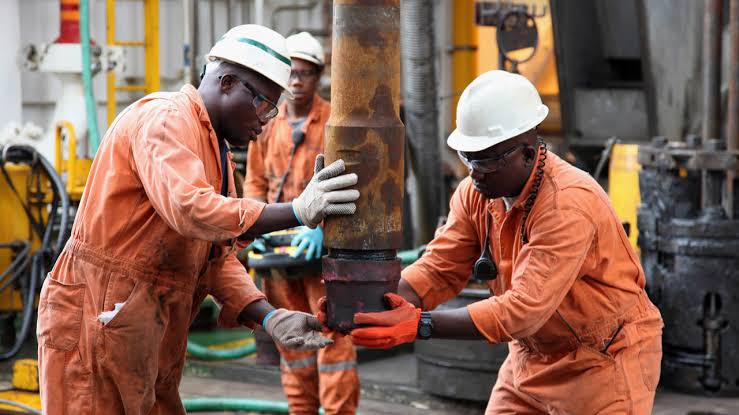
Baxi explained that the project would deploy advanced drilling technologies, including what he described as the most complex extended-reach well ever drilled at the Usan field, stretching more than four kilometres to access previously untapped reserves.
He added that several wells would also utilise intelligent drilling and completion technologies capable of targeting multiple oil-bearing zones from a single well.
According to him, the technologies were expected to maximise recovery while reducing development costs.
Beyond production, Baxi said the project reflects the company’s long-term confidence in Nigeria’s oil and gas industry.
“ExxonMobil, through ESSO Nigeria, is firmly committed to Nigeria’s ambition in the oil and gas industry. We are motivated to bring our competitive capabilities and strong balance sheet to grow the deepwater portfolio, and this Usan infill project is the first of what we hope will be a long line of opportunities at OML 138 and several other deepwater blocks,” he said.
The Chief Executive of the Nigerian Upstream Petroleum Regulatory Commission (NUPRC), Mrs. Oritsemeyiwa Eyesan described the investment as a significant vote of confidence in Nigeria’s upstream sector.
Eyesan said the project was particularly important because it represents ESSO’s first drilling campaign since 2016, signalling renewed activity in Nigeria’s deepwater basin after years of limited investment.
“With ESSO’s last drilling operations dating back to 2016, the resumption of drilling signals renewed potential and value in our deepwater average.₦
She added that the Usan infill project demonstrates the importance of combining new investments with effective management of existing assets to maximise production.
“As we advance new developments, it is imperative that we equally prioritise maximising the efficiency of existing assets. Recent production deferments from deepwater platforms underscore the necessity for continuous investment in facility reliability and asset integrity.”
According to her, the Commission remains committed to creating an investment-friendly regulatory environment capable of accelerating project delivery, improving operational reliability and attracting fresh capital into Nigeria’s upstream sector.
“The NUPRC remains steadfast in advancing Nigeria’s portfolio of deepwater projects. Such developments are essential to achieving national production targets, increasing reserves, sustaining government revenues and bolstering investor confidence.”
The CCE also revealed that regulatory intervention by the Commission helped unlock the project after years of delays.
Recalling discussions with ESSO’s leadership, Eyesan said, “He came to me and said, This project, we are ready to unlock.’ It sounded like music in my ears because we had been on this project for over 10 years.
“All they needed was approval. There were issues, and I told them, ‘I’m giving them one month. If they don’t align, we are moving on. Eventually, we took the necessary decisions, and today we are here.”
The CCE commended ESSO’s leadership for its commitment to Nigeria and expressed optimism that the Usan project would serve as a catalyst for additional deepwater investments across the country.