

The Association of Nigerian Electricity Distributors (ANED), has stated that the recent tariff reduction by the Enugu State Electricity Regulatory Commission (EERC) to N160/kWh for Band A customers in Enugu State, without adequate coordination with NERC and or other market participants raises significant concerns for the stability and liquidity of the Nigerian Electricity Supply Industry (NESI).
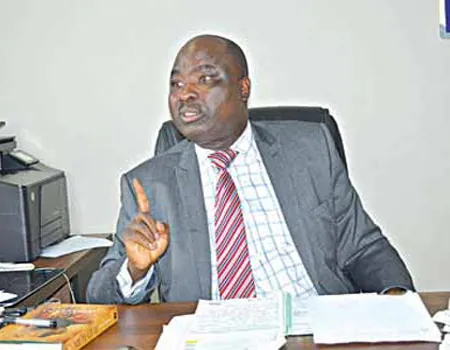
ANED, in a statement on Thursday by its Managing Director/CEO, Barr. Sunday Oduntan, lamented that since the release of the Tariff Order by EERC for Enugu State residents, the Electricity Distribution Companies (Discos) in other States have come under intense pressure and scrutiny to also reduce tariffs, while some customers have taken a position that they will no longer pay their electricity bills until tariffs are reduced.
The association noted that one of the principles adopted by EERC was to place reliance on the Policy of the Federal Government on electricity subsidies to enable them crash Band A Tariffs. Stating that while the DisCos are not opposed to subsidies in principle, it strongly emphasizes that subsidies must be transparently structured and promptly funded, as delayed or unfunded subsidies create cashflow disruptions, undermine market confidence, and deepen the existing liquidity crisis across the electricity value chain.
“In a clear position, the Federal Government through the Minister of Power, Chief Bayo Adelabu has stated that States slashing power tariff must be ready to pay subsidy, and
be accountable for the financial implication.
“It is already a fact today that the delay in the prompt payment of electricity subsidies has put the generation companies and gas suppliers under severe operational burden due to the
almost N5 trillion outstanding to these market participants.
“It is important to stress that the Nigerian power market, in the short term, remains largely centrally coordinated, especially for Bulk energy purchases, Transmission, and market
settlements involving Generation Companies (GenCos) and the Nigerian Bulk Electricity Trading Company (NBET),” ANED noted.
It said while it duly recognises changes in law and regulation that now permits States to set up their electricity markets, any State-level policy action such as uncoordinated tariff reductions that does not align with market-wide cost-recovery mechanisms will inevitably result in shortfalls in Disco remittances to the market below their current Distribution Remittance Obligations, thereby putting GenCos and other upstream service providers at
further financial risk.
“We understand further that the Federal Government does not have an elastic subsidy budget. Any tariff reduction following the approach adopted by EERC may further bloat the subsidy
obligations of the federal government.
“We believe that the Federal Ministry of Power and the
Nigerian Electricity Regulatory Commission (NERC) would be watching closely to provide guidance and align State and Federal objectives to ensure electricity access is accelerated in a
sustainable and affordable manner.
“The above budgetary constraints apply to the States too. Most cannot afford to make direct budgetary provisions for subsidies especially in the face of rising governance costs and the harsh operating environment. This underscores the importance of collaboration and a well-coordinated market driven approach on tariff related matters,” ANED submitted.
The DisCos said in order to sustain investments and improve service delivery, there is the need for: Stronger coordination between Ministry of Power, State Regulators and NERC to
ensure consistency in Policy and Rate design to avoid market distortion. A clear subsidy framework that is transparent, targeted, and fully funded. And Timely disbursement of subsidy payments to enable prompt settlement of market invoices and improve market liquidity.
“While the goal of making electricity more affordable is shared by all, it must be pursued in a manner that preserves the financial health of the market, encourages long-term investment,
and avoids policies that could erode progress toward stable, reliable electricity for Nigerians.
“The Association remains committed to advocating for a financially sustainable and customer-responsive electricity sector in Nigeria,” the statement said.