
Stakeholders in Nigeria’s energy and transport sectors have renewed their commitment to a nationwide transition from petrol to Compressed Natural Gas (CNG), saying the move will significantly lower transport costs, improve public health and reduce harmful emissions.
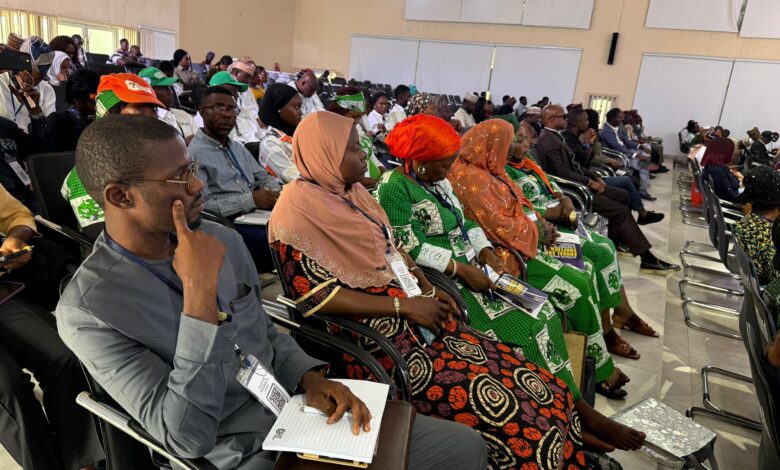
This was made on Wednesday at the second Autogas Nigeria Annual Conference, held to mark World Sustainable Transportation Day.
Industry leaders, regulators and government officials described gas-powered mobility as a practical and affordable pathway to sustainable transportation.
Vice-Chancellor of the Federal University of Transportation, Daura, Professor Umar Katsayal, represented by Dr. Ibrahim Ahmadu, said the shift to CNG is consequential to Nigeria’s economic growth.
He disclosed that studies show CNG vehicles emit far lower levels of particulate matter, nitrogen oxides and carbon monoxide, while cutting carbon dioxide emissions by up to 30 per cent.
According to him, the conference theme, “CNG for All: Powering Nigeria’s Sustainable Future,” reflects the urgent need to tackle urban air pollution and rising transport costs.
While noting that CNG is not a perfect solution, Katsayal said it remains a mature and practical option for reducing fuel expenses and strengthening Nigeria’s transport value chain.
Director-General of the Energy Commission of Nigeria, Dr. Mustapha Abdullahi, described gas as Nigeria’s most viable transition fuel, citing the country’s estimated 210 trillion cubic feet of natural gas reserves.
“We are living in a decade of gas,” he said. “It’s a no-brainer that gas should lead our transition to cleaner energy.”
Abdullahi commended President Bola Ahmed Tinubu for establishing the Presidential Initiative on Compressed Natural Gas (PICNG), which he said has driven public awareness and accelerated CNG adoption following the removal of petrol subsidies.
Managing Director of Automotive Gas Nigeria Services Limited (Autogas Nigeria), Hajiya Maryam Ibrahim, thanked partners and stakeholders for sustaining the CNG movement, describing their support as “the powerful fuel driving Nigeria’s clean-energy future.”
She said since 2021, Autogas Nigeria has expanded vehicle conversion services, developed refuelling infrastructure and built technical capacity nationwide.
Ibrahim also applauded the Federal Government’s Presidential Compressed Natural Gas Initiative (PCNGI), describing it as a key reform aligned with the Renewed Hope Agenda to lower fuel costs, enhance energy security and grow the economy.
Autogas Nigeria’s Chief Operating Officer, Mr. Kennedy Osagie, revealed that the company has trained and certified over 1,000 Nigerian technicians, converted more than 2,000 vehicles to CNG, and established a national technical support network with over 100 workshops.
He also highlighted the company’s SheGas initiative among other interventions.
The conference drew key government officials, industry players and clean-energy advocates, all pledging to deepen Nigeria’s transition to gas-powered transportation.