
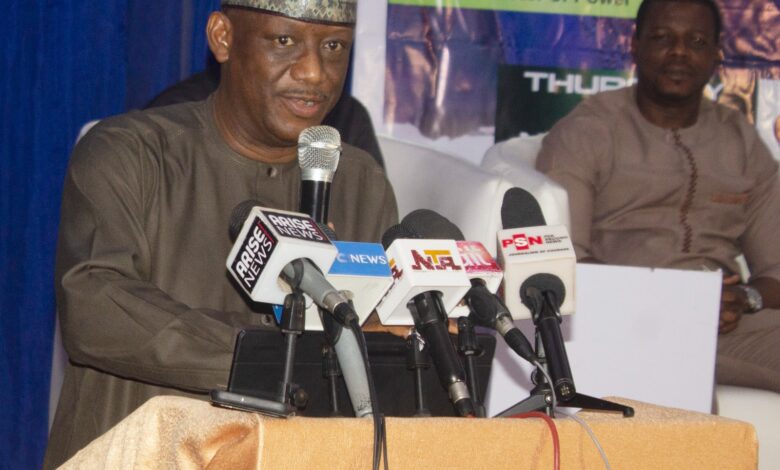

Amid the calls for electricity cost-reflective tariffs in the country, the Managing Director/Chief Executive Officer of the Nigerian Independent System Operator, Engr. Abdu Bello Mohammed, has said that cost-reflective tariffs should not be abrupt, but gradual, deliberate, and linked to visible service improvement.

According to him, electricity consumers would be more willing to pay when they experience reliability and fairness. Affirming that service-based tariffs, coupled with transparent communication and performance-linked adjustments, will foster the trust.
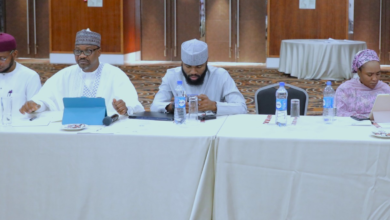
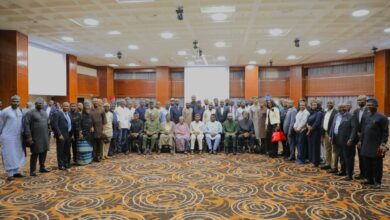
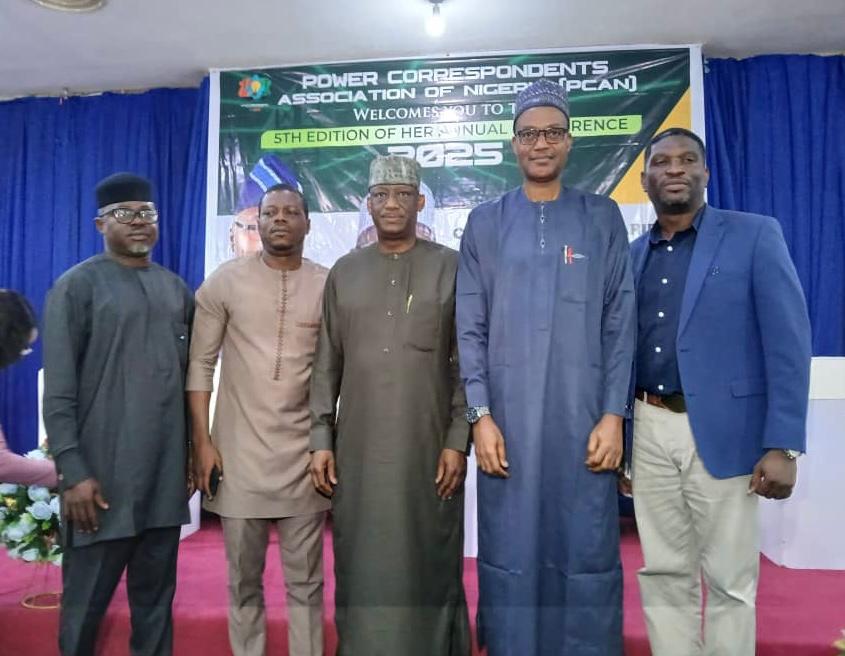
Engr. Mohammed who spoke on Thursday at the 5th Annual Power Correspondents Association of Nigeria (PCAN) Conference, held at the Nicon Luxury Hotel, Abuja, with the theme “Cost Reflective Tariff vs Energy Poverty: Finding a Pricing Balance in the Nigerian Power Sector,”
explained that electricity cost-reflective tariffs require Multidimensional Strategies.
Speaking on the strategies, the NISO boss said, the sector must embrace targeted subsidy mechanisms that reach the truly vulnerable, rather than blanket subsidies that distort market signals and sustain inefficiency. Noting that properly designed lifeline tariffs and data-driven welfare-linked rebates could provide real protection for low-income consumers while allowing the market to function efficiently.
He also said that the sector must confront inefficiency head-on. Adding that by reducing technical, commercial, and collection losses is one of the fastest ways to relieve pressure on tariffs.
“Every percentage point of loss recovered translates directly to lower costs for consumers. This requires renewed focus on metering, automation, data accuracy, and operational discipline across all segments of the industry,” he said.
In addition, Engr. Mohammed said transparency must be non-negotiable. Saying that NISO, in its current structure, plays a central role in ensuring that energy is dispatched efficiently, market settlements are transparent, and imbalances are minimized.
“By improving transparency and operational efficiency, we strengthen investor confidence and ensure that tariff adjustments are grounded on verifiable performance data,” he added.
Speaking on the dilemma of electricity tariffs in Nigeria, the NISO boss said “We cannot ignore the fact that rising inflation, unemployment, and declining purchasing power have eroded the capacity of many Nigerians to pay higher tariffs, even when supply improves. And yet, without cost-reflective tariffs, our utilities cannot recover costs, investors cannot commit capital, and our electricity infrastructure will continue to deteriorate.”
He lamented that despite several tariff reviews guided by the Multi-Year Tariff Order (MYTO), the sector continues to face persistent liquidity shortfalls, under-recovery by the Distribution Companies and inadequate investment in infrastructure, and weak supply reliability that often undermines consumers’ willingness to pay.
“While the tariff framework provides a transparent methodology based on key variables such as exchange rate, inflation, and gas price, political and social considerations have often led to tariffs that remain below actual cost levels. The result is a system that struggles to attract investment, sustain operations, and deliver the level of service that Nigerians rightly expect.
“But beyond the economics lies a deeper issue the enduring challenge of energy poverty. Millions of households in Nigeria still lack access to reliable electricity. For many, connection to the grid does not guarantee supply, and for others, the cost of energy remains beyond reach.
“Energy poverty is not just about a lack of connection; it is about the inability to afford sufficient power for daily life and productive enterprise. It is about children unable to study at night, small businesses unable to grow, and industries forced to rely on costly alternatives,” he noted.
Engr. Mohammed submitted that achieving the right pricing balance also depends on broader policy alignment.
“Nigeria must continue to pursue gas pricing reform to lower the cost of generation. We must strengthen data governance to improve forecasting and tariff modeling.
“Investments in energy efficiency and demand-side management will also play a key role in reducing consumption costs and improving affordability for end-users.
“We must also invest in communication in engaging stakeholders consistently and honestly so that tariff adjustments are understood as necessary reforms for sector stability, not as punitive measures,” he added.
Earlier, Chairman of PCAN, Mr Obas Esiedesa, said over the years, the PCAN conference has evolved into one of Nigeria’s most credible platforms for sectoral dialogue, a space where journalists, policymakers, regulators, operators, investors, and civil society come together to discuss the issues shaping the power industry.
He said the theme of this fifth edition: “Cost-Reflective Tariff vs. Energy Poverty: Finding a Pricing Balance in Nigeria’s Power Sector” — could not have been timelier, as it captures one of the most critical policy dilemmas confronting Nigeria today: how to set tariffs that ensure the financial sustainability of the industry without deepening energy poverty among citizens.
“More than a decade after the privatization of the power sector, this balance remains a formidable challenge. The industry is still weighed down by an estimated ₦6 trillion debt owed by the Federal Government to power generation companies, a massive liquidity gap across the value chain, gas supply shortages, aging and weak transmission infrastructure, and rising foreign exchange costs that threaten investments and operations.
“While operators demand cost-reflective tariffs as a condition for viability, millions of Nigerians continue to live in darkness or rely on expensive self-generation, The question before us, therefore, is not whether we need cost-reflective tariffs — we do. The real question is how to achieve a fair, transparent, and socially responsible pricing framework that balances economic sustainability with public welfare,” he noted.