The rising incidents of Non Communicable Diseases such as Hypertension, Stroke and Heart disease in Nigeria have been linked to the excessive consumption of salt.
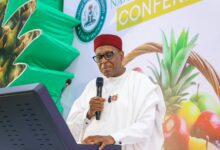
This formed the basis of discussion at a one-day media training workshop on Sodium Reduction held in Abuja on Tuesday.
The Director, Food and Drug Services, Federal Ministry of Health and Social Welfare, Pharm. (Mrs.) Olubunmi Aribeana said the excessive consumption of sodium was a big problem in the country and the Ministry had been looking into reducing sodium intake because of the high level of Cardiovascular diseases especially non communicable disease in the country.
“There is a big rise of these cases and the country determined since 2019 to look for a way to reduce that burden of NCDs. We know Sodium intake is a big part of it.
“We consume approximately two times the WHO recommended level of sodium intake per person. Which is beyond normal and we need to drastically cut it down. Based on this, the government decided to develop the National guideline for Sodium Reduction as a way to reduce our Sodium consumption”, she said.
Similarly, The Managing Director (MD) of Centre for Communication and Social Impact (CCSI) Nigeria, Babafunke Fagbemi said excessive sodium consumption was a silent contributor to a range of non-communicable diseases impacting the health and well-being of countless Nigerians.
She however, assured of her organization’s commitment to improving public health outcomes through evidence-based campaigns, outreach and interventions.
To the Journalists present, she said: “We recognize that our efforts, however remote, can only achieve their full potential with the powerful amplifications that you and media partners can provide.
“This session is not merely a training. It is an invitation. It is an opportunity. We aim to equip with latest insights, data, and communication tools on sodium reduction, enabling us to collaboratively craft compelling narratives that will resonate with the public.
“Your expertise in storytelling, your reach, and your ability to translate complex health information into data into accessible messages are indispensable to this course, we believe that by working together, we can significantly raise awareness to change dietary habits and ultimately contribute to a healthier Nigeria”.
In her presentation, the Program Lead, Cardiovascular Health, Corporate Accountability and Public Africa (CAPPA), Bukola Olukemi-Odele said the food industry was gradually hijacking
food production from farmers.
Olukemi-Odele added that these unhealthy foods were promoted by aggressive marketing, leading to changes in our diet because they were readily available and cheaper than healthier options.
She lamented the deceptive marketing tactics used by food industries, “you can see a bouillon cube they said was made from vegetables but when you check the nutritional label, expecting it to be high in vitamins and minerals, you will see that it is high in sodium”.
The health expert disclosed that, “according to the WHO, the leading cause of death and disabilities all over the world is non communicable diseases and out of these non communicable diseases, 29% of the deaths in Nigeria is linked to NCDs and 11% of all the deaths is linked to Cardiovascular diseases and one of the major risk factor for Cardiovascular Disease is unhealthy diet, which is foods that are high in sodium”.
She further informed that, high salt intake was linked to increase in blood pressure, “the more sodium you consume, the higher your exposure to hypertension otherwise known as high blood pressure. High blood pressure is a risk factor for other dietary related NCDs like stroke, kidney failure, osteoporosis and others”.
She therefore called for stricter monitoring of the food industry to ensure they comply with Nigeria’s Sodium Reduction Guidelines and also a switch to healthier, less sodium ladened meals for Nigerians.
Organized by the Centre for Communication and Social Impact (CCSI), the training is part of ongoing
efforts to strengthen media capacity in promoting healthier food environments and reducing excessive salt consumption in Nigeria.