
Amid the heightened global uncertainty, the Federal Government of Nigeria has assured it would grow the country’s macroeconomic stability and attract, and scale investments required to lift millions out of poverty.
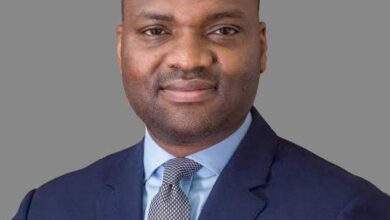
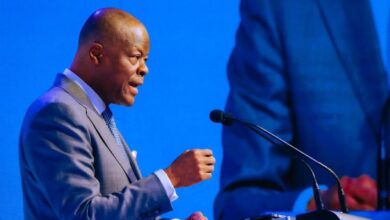
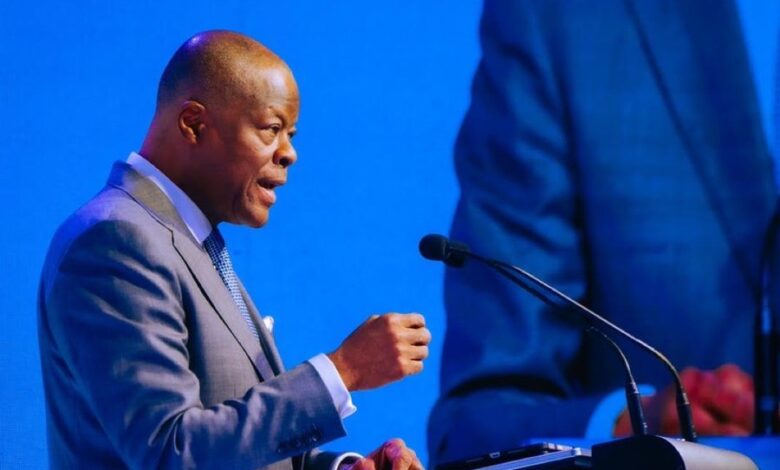
Minister of Finance and Coordinating Minister of the Economy, Wale Edun, who heads Nigeria’s delegation to the World Bank and International Monetary Fund (IMF) Spring Meetings in Washington DC, gave the assurance on Monday.
The US–Israel–Iran conflict has triggered a major external shock, disrupting energy markets, tightening global financial conditions, and introducing renewed inflationary pressures across advanced and emerging economies.
The shock comes on the back of recent economic reforms in Nigeria, aimed at building the right economic foundations for lifting millions out of poverty.
Edun said the government is trying to accelerate economic growth in a difficult environment shaped by external shocks and domestic price and inflation pressures.
Transmission Channels to Nigeria Crude oil prices have experienced significant volatility since the start of the conflict, rising between 35% to over 50%, driven primarily by disruption in the Strait of Hormuz. Bonny Light, Nigeria’s kind of oil, jumped from around $70 – $73 a barrel to highs exceeding $110 – $120.
As an oil producer, the government recognises that a longer duration of the conflict means improvements in foreign earnings and fiscal revenues. However, the shock comes as Nigeria seeks to strengthen its macroeconomic stability and resilience.
Edun identified three key channels for which the crisis poses risks to the Nigerian economy as follows: 1. Fuel, Diesel, and Gas Prices.
He said the volatility in global energy markets is already influencing domestic energy-related commodities, with direct implications for prices and the standard of living of Nigerians.
Petrol prices rose by over 50%, from about N890 – N900 to N1260 – N1330. Diesel prices have surged by over 70%, from N1,100 per litre to about N1,550 at the peak.
Heightened geopolitical risks often trigger shifts in global investment patterns, with investors moving toward safe-haven assets. These dynamics may affect capital flows into emerging markets, including Nigeria, as well as broader financial market conditions.
Disruptions to major shipping and energy supply routes could raise international freight and logistics costs, which may translate into higher import costs and increased pressures on domestic prices.
Nevertheless, the Federal Government emphasised that Nigeria enters this period of global uncertainty from a position of strengthened economic fundamentals compared to recent economic shocks such as the Covid – 19 and the Russian / Ukraine war shocks, following a combination of macroeconomic reforms since May 2023.
In the last few weeks, the government has strengthened the country’s economic position and in response to the crisis by: a. Continuously looking for ways to improve oil production, now 1.86 mbpd, according to recent data. This is to maximise Nigeria’s crude oil revenues, foreign exchange earnings, and fiscal revenues.
The government has also strengthened the Naira for Crude policy to safeguard domestic fuel production and supply to ensure no further strain to households and businesses due to fuel and diesel shortages.
The government continues to maintain a liberalised foreign exchange market to ensure continuous smooth capital flows. The policy has been validated by Nigeria’s reclassification as a Frontier Market by FTSE Russell, effective from September 2026.
There is also an improved and continuous close coordination across fiscal, monetary, and trade policies resulting in the recent tariff changes that reduces tariffs on critical industrial inputs to support production and expand international trade. These actions reflect a government focused on stabilisation, resilience, and growth continuity.
At Spring Meetings, Edun is not only representing Nigeria, but he would also be advocating for additional measures that will reduce fiscal strain, attract and scale investments, and support growth initiatives in Nigeria and other developing countries.
He would be advocating for lower cost of capital for Nigeria and other developing countries, Fairer global financial conditions that would help reduce the impact of external shocks on economies such as Nigeria’s, and additional support for economies navigating reforms and external shocks simultaneously.
According to him, this is how reforms can translate to improvement in the welfare of Nigerians. In relation to the crisis, his highest concern is the inflationary impact the crisis is having on the pockets of Nigerians and the associated strain on efforts to lift millions of people out of poverty.
The government would appreciate the continued support of trusted partners such as the World Bank and the IMF and investors as we navigate the current headwinds.