The Federal Government of Nigeria, after several failed promises to defray the N4 trillion debt owed to the power Generation Companies (GenCos) in the country, recently expressed readiness to offset the unpaid invoices.

This came after the frustrated GenCos threatened to shutdown operations, if expedited action was not taken to permanently address the issue.
GenCos are the power producers in the Nigerian Electricity Supply Industry (NESI). They generate power for onward transmission and distribution to the final consumers.
Currently, the GenCos in the country have six (6) Hydro-power plants and twenty-six (25) Thermal power plants, with a generating capacity of 13,625 MegaWatts (MW). The privatisation of the assets was completed in 2013, with fresh capital injected to ensure efficiency and cost-effectiveness.
With the huge capital invested, the GenCos increased generation, and improved the operational performance of the companies in the area of human resource management, quality, health safety and environment standards and community service responsibilities.
Unfortunately, the power they generate could not be fully evacuated or distributed, and the little distributed is consumed and not paid for.
Industry records show that available generation capacity as at the time of takeover in November 2013 was 4,500 MegaWatts, while installed capacity was 12,500MegaWatts.
The GenCos immediately engaged on a massive capacity recovery plan with their acquired assets and achieved in no time lost capacities, increasing available capacity to 7,913 MegaWatts.
Today, the Plants have all been overhauled with their generating capacities increased.
On March 2, 2025, Nigeria reached a remarkable generation available capacity of 6,003 MW. This was followed by a peak generation evacuation of 5,801.44 megawatts on March 4, 2025, which also saw an impressive daily energy output of 128,370.75 megawatt-hours on that day.
The average daily power generated and distributed in the past quarter of 2025 was 5,700 MW compared with the 4,100 MW achieved in the third quarter of 2023. This indicates a growth of 1,600 MW, nearly 40% growth.
It is on record that it took the country almost 40 years to achieve an incremental 2,000 MW average energy, but was achieved in less than two years by the present administration.
Despite this massive investment, GenCos are being owed N4 trillion unpaid invoices. The debts are as a result of unpaid subsidies of the Federal Government, which are due to the power-generating companies. Almost half of it was inherited, while about half of it came from 2024 operations, which is N4 trillion.
The 2024 collection rate dropped below 30 per cent, and 2025 is no better, severely affecting the GenCos’ ability to meet financial obligations.
Tax and regulatory challenges, including high corporate income tax, concession fees, royalty charges, and new FRC compliance obligations, are further straining GenCos’ revenue.
With this state of affairs, the GenCos are panting for survival which may have dire consequences for the entire power value chain.
The GenCos’ expectations of being settled through external support such as the World Bank PSRO have been dampened due to other market participants’ inability to meet their respective distribution-linked indicators (DLIs), enshrined in the Power Sector Recovery Programme (PSRP).
The federal government is not planning to clear the debt but to make part payment at the end of this year.
The Minister of Power, Chief Adebayo Adelabu, while meeting with GenCos Executives in April 2025, in Abuja, said the government would prioritise immediate payment of a significant amount out of the N4 billion debt, while the balance would be defrayed through other debt instruments.
“We recognize the urgency of this matter. The government is committed to resolving this debt to stabilize the sector and prevent further crisis,” Adelabu stated. Emphasising the President’s direct involvement to fast-track the resolution process.
According to him, plans are top gears with the Minister of Finance and Coordinating Minister of the Economy, Mr Wale Edun, to clear the debt through either budgetary allocation or guaranteed instruments such as promissory notes.
Adelabu assured that the promissory notes would be strong enough to be taken to banks to meet immediate cash needs.
Although this is not the first time this administration had promised to offset the GenCos’ debt. Recall that the Minister, last year, promised to clear the debt, but no amount was paid out of the debt.
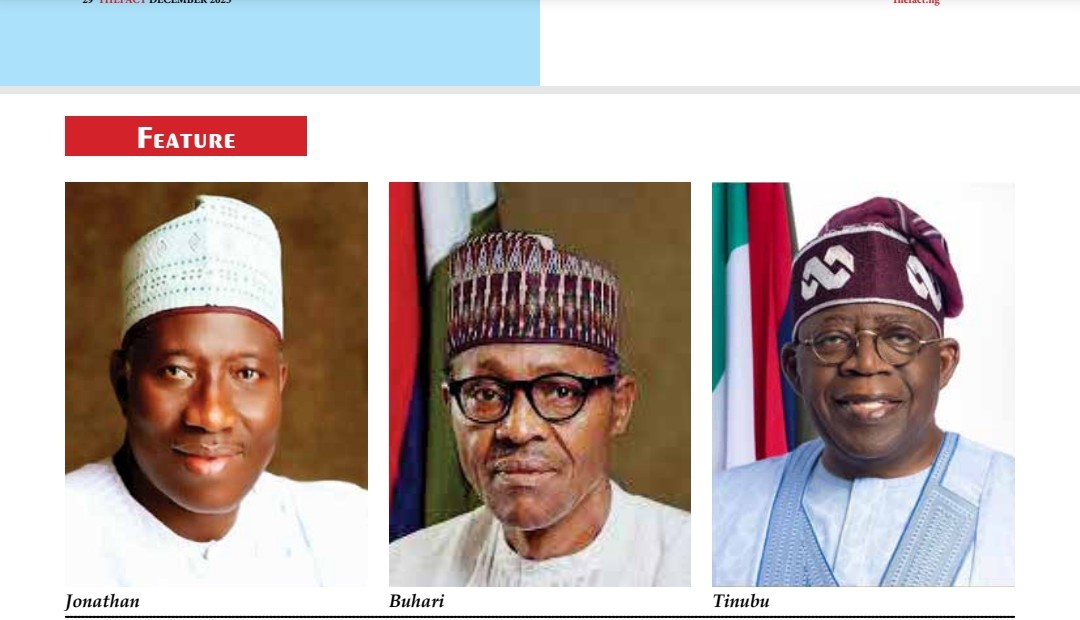
Now that the liquidity challenges had left GenCos unable to secure loans or maintain infrastructure, all hope is on President Bola Tinubu’s timely intervention to prevent the entire power ecosystem from collapse.