Floods: Beyond The Distribution Of Relief Items To Victims In Nigeria
By Sunday Etuka, Abuja


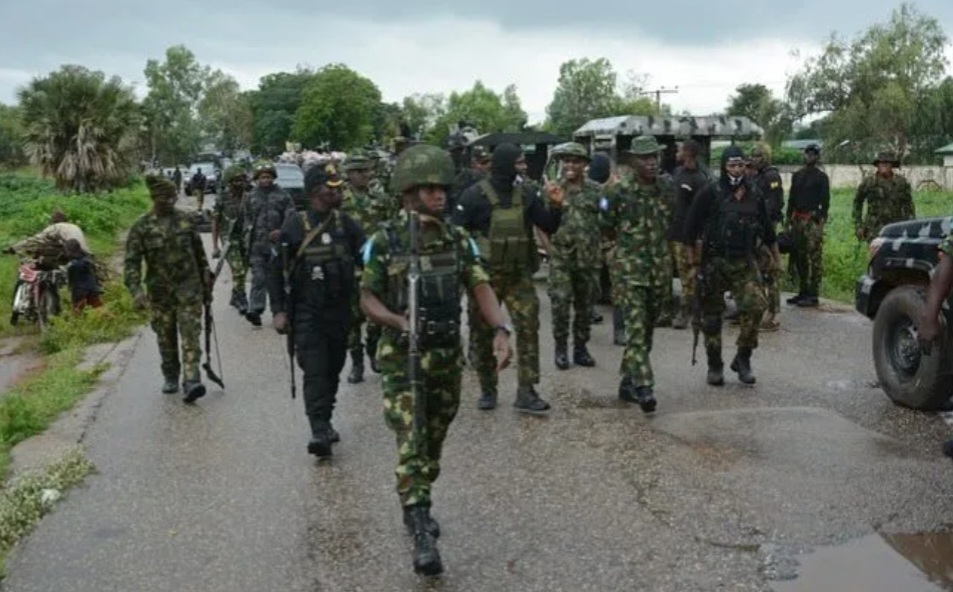
The Federal Government of Nigeria through the National Emergency Management Agency (NEMA), at the weekend flagged off the distribution of relief materials to those affected by the flood incidents in Mokwa Local Government Area (LGA) of Niger State.

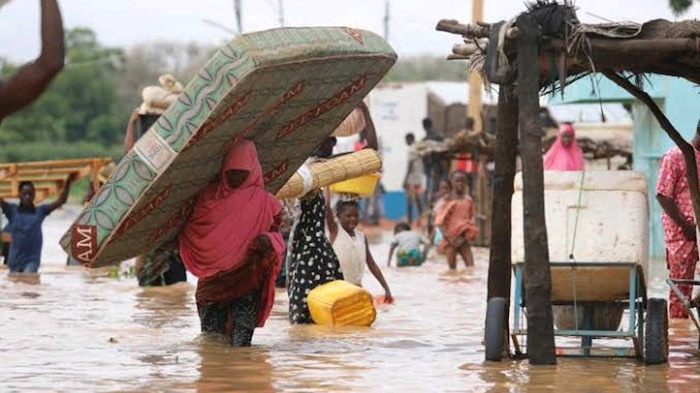
According to official records, about 153 people were killed, over 500 households impacted and more than 3,000 people were displaced.The devastating floods occurred on Wednesday night and continued into Thursday morning, with emergency response teams still picking through mud and debris in search of bodies.
The Acting Director General of the Niger State Emergency Management Agency (NEMA) disclosed that the death toll has increased from the 117 deaths counted on Friday to 153 on Sunday.
Flooding remained one of the most devastating natural disasters in Nigeria with climate change, unregulated construction, and poor drainage infrastructure accelerating its frequency and severity.
For instance, in 2022, Nigeria recorded the worst floods in nearly a decade, killing 600 people, displaced around 1.4 million and destroyed 440,000 hectares (1.09 million acres) of farmland.
The record was not any better in 2024, as more than 1,200 people were killed and 1.2 million people were displaced in at least 31 of 36 states in the country.
And as it was usually the practice, the federal government through NEMA and Presidential Committee on Flood Relief and Rehabilitation (PCFRR) distributed relief items worth over N1.5 billion to the flood victims nationwide. This was aside from the ones donated by individuals and organisations.
While the PCFRR, established by the Federal Government following the 2012 flooding, and co-chaired by Africa’s foremost industrialist Aliko Dangote and Dr. Olisa Agbakoba, is working very well by bringing succour to flood victims in the country, a well coordinated approach to address the root causes of flooding in Nigeria would have been better.
Enforcement of regulations on construction, construction of quality drainage systems, clearing of blocked drainage systems and canals, and relocation of people living along the water-ways would be more effective.
For instance, in July 2024, the federal government through the Ministry of Water Resources and Sanitation, alerted the state governments on the need to take precautionary measures to avert the ugly flooding menace of the past years.
The Minister of Water Resources and Sanitation, Prof. Joseph Utsev, highlighted the measures to include, “educating citizens to imbibe attitudinal change towards warnings for flood prevention by Government Agencies and desist from unethical traditional culture and beliefs.
“Clearing of blocked drainage systems and canals, and Relocation of people living along the water-ways and those that are having socio-economic activities on the flood plains, by the Federal, State and Local Governments.
“Consideration for channelization/training of major rivers in the country. States and Local Governments are encouraged to desilt river channels and canals and to construct/create buffers (or detention basins) in their respective constituencies to collect runoff waters.
“Modification of settlements to withstand floods by putting up flood barriers, and Construction of dykes, flood-walls, buffer dams, detention basins and water retaining structures.
“Effective and efficient operational procedure for dams and reservoirs and maintenance of other hydraulic and water infrastructure across the country”.
Sadly, the advice fell on deaf ears as no preventive measures were put in place by most of the state governments to avert the flood related disasters in their domains. This is to show that lessons were not learnt from the previous experiences.
In April this year (2025), the federal government, during the presentation of the 2025 Annual Flood Outlook (AFO) in Abuja, by the Nigeria Hydrological Services Agency (NIHSA) alerted that about 1,249 communities in 176 Local Government Areas in 33 States and the Federal Capital Territory (FCT) are within the High Flood Risk Areas.
It also revealed that 2,187 communities in 293 LGAs in 31 States of the Federation, including the FCT fall within the Moderate Flood Risk Areas.
The Minister of Water Resources and Sanitation, Prof. Joseph Utsev, who announced this, further revealed that the High Flood Risk States comprise Abia, Adamawa, Akwa Ibom, Anambra, Bauchi, Bayelsa, Benue, Borno, Cross River, Delta, Ebonyi, Edo, Federal Capital Territory, Gombe, Imo, Jigawa, Kebbi, Kogi, Kwara, Lagos, Nasarawa, Niger, Ogun, Ondo, Osun, Oyo, Rivers, Sokoto, Taraba, Yobe, Zamfara.
He also noted that the Flood risks across Nigeria have been categorized into four main types including the High Flood Risk Areas in 657 communities of 52 LGAs between April–June; 544 communities in 142 LGAs between July–September as well as 484 communities in 56 LGAs between October–November.
He also added that Moderate Flood Risk Areas are projected in 445 communities in 116 LGAs (24 states) between April–June:) and 1,458 communities in 271 LGAs between July–September in addition to 1,473 communities in 171 LGAs (26 states) between October–November.
The category of Flash and Urban Flooding are Projected in major cities due to heavy rainfall and poor drainage and affected cities include Abuja, Lagos, Kano, Port Harcourt, Ibadan, and others.
Coastal and Riverine Flooding are anticipated in Bayelsa, Cross River, Delta, Lagos, Ogun, Rivers, and Ondo due to sea level rise and tidal surges, threatening coastal communities and ecosystems.
Prof. Utsev outlined the Federal Government’s comprehensive strategies for flood preparedness and response in Nigeria.
He emphasized the importance of NIHSA’s annual forecasts in guiding proactive planning and noted that floods remain one of the most destructive natural disasters globally.
According to him, the 2025 AFO, themed “Flood Resilience: Focusing on Communities Preparedness and Adaptation Strategies for Flood Management,” advocates for improved infrastructure and localized planning.
Prof. Utsev highlighted NIHSA’s shift to seasonal, community-based forecasts, enabling early action by local governments and communities.
He announced several key initiatives, including the National Flood Insurance Programme (piloting in Kogi and Jigawa); the Integrated Climate Resilience Innovation Project; the Niger Flood Project for enhanced flood control and water resource management; as well the Annual Drought Outlook to complement flood planning.
The Minister reiterated the Ministry’s commitment to building a flood-resilient Nigeria and called for collaboration among all stakeholders to protect lives, property, and National Development.
However, the flood incident in Mokwa last week was also a clear sign that lessons were not learnt from the previous experiences.
Moving forward, the federal government must take concrete steps to prevent floods incidents in Nigeria, rather than mere food distribution, which is only for the survivors and for the dead.