

The Nigerian Communications Commission (NCC) has disclosed how it worked in collaboration with the National Security Adviser (ONSA), to prevail on the Natural Oil and Gas Suppliers Association of Nigeria (NOGASA) to suspend its planned strike.
This is just as the Commission pledged to continue to work with security agencies, industry stakeholders, and the public to ensure that Nigeria’s telecommunications infrastructure remains protected, resilient, and reliable for all.
NCC, in a statement on Wednesday by the Head, Public Affairs, Nnenna Ukoha, reaffirmed its commitment to the full operationalisation of President Bola Tinubu’s Executive Order on Critical National Information Infrastructure (CNII), which designates telecommunications facilities as critical national assets deserving optimal protection.
It said the strike, if carried out, would have disrupted the supply of diesel to telecommunications sites nationwide, severely affecting network operators’ ability to power their diesel-driven generators and maintain uninterrupted connectivity.
NCC revealed that in the days leading up to the resolution, the ONSA, under the leadership of the National Security Adviser (NSA), Mallam Nuhu Ribadu, held strategic engagements with NOGASA’s leadership, with the Commission providing technical and regulatory guidance to highlight the potential implications of service disruptions on national security, the economy, and everyday life.
It said the discussions culminated in an agreement to call off the industrial action, averting what could have been a nationwide disruption of telecom services.
“Telecommunications infrastructure is the backbone of our connectivity and digital economy. Any disruption, whether through vandalism, accidental damage during construction work, theft of equipment, denial of access to maintenance teams, or interruptions in the supply of essential operational materials, has far-reaching implications for service delivery, economic stability, and national security,” the NSA said.
The Commission expressed appreciation to the ONSA for its leadership and dedication to protecting national assets and commended the maturity and understanding demonstrated by relevant stakeholders in recognising the national importance of telecommunications services.
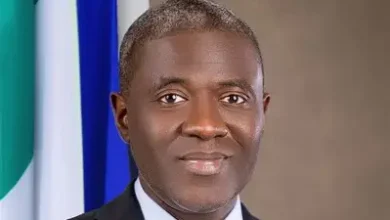
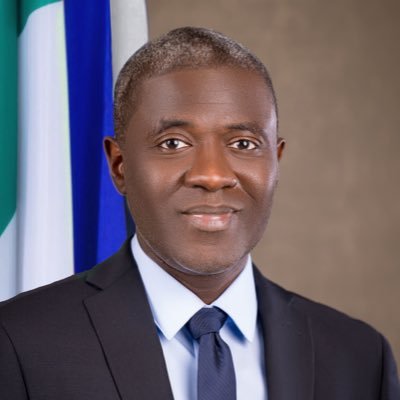
Commenting on the development, the Executive Vice Chairman/Chief Executive Officer of the Commission, Dr. Aminu Maida, stated: “We will continue to enforce strict compliance by our licensees with technical standards for the deployment and maintenance of telecommunications infrastructure, while working closely with relevant stakeholders to strengthen awareness and cooperation on their protection.
“We also recognise mediation as an effective tool for building consensus among stakeholders. This resolution underscores the importance of dialogue in preventing avoidable service disruptions. Ultimately, we call on all Nigerians to regard telecom infrastructure as a shared national asset, one that underpins our ability to connect with loved ones, transact businesses, access healthcare, pursue education, and participate in the global digital economy.”