NEPZA Licenced Harvestfield FTZ Promoters To Reduce Medical Products Imports
By Sunday Etuka



In a moved aimed at significantly reducing the importation of medical products into the country, the Nigeria Export Processing Zones Authority (NEPZA), has licenced the promoters of Harvestfield Industries, a newly approved Free Trade Zone.
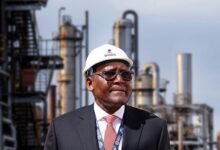
The Managing Director/Chief Executive Officer of NEPZA, Dr. Olufemi Ogunyemi, while presenting both the Declaration of Licence and the Operation Licence to the facilitators of the zone in Abuja, urged the medical investors to leverage the country’s free zones to boost local production of medical products and supplies.
“Harvestfield FTZ is strategic and focused on addressing key deficits in the health sector. This opens up a new opportunity for the country to become an exporter of health products,’’ Dr. Ogunyemi added.
He further explained, according to a statement by the Head, Corporate Communication, NEPZA, Martins Odeh, that: “The Authority consistently supports trade and investment facilitation that drives economic growth and strengthens the President’s Renewed Hope Agenda to transform the country into an export-oriented nation.’’
Dr. Abdu Mukthar, the Presidential and MOH Representative, said that Harvestfield FTZ was an offshoot of the Presidential Executive Order on Local Manufacturing of Healthcare Products signed in 2024 by H.E. President Bola Ahmed Tinubu, GCFR.
He explained that the world’s largest insecticide net manufacturer, Danish conglomerate Vestergaard, in partnership with Nigerian business group Harvestfield, through the joint venture SNG Health, will use the zone to produce 10 million dual-insecticide nets annually, creating an estimated 600 jobs in Ogun State.
Mukthar, also the National Coordinator of the Presidential Initiative to Unlock Healthcare Value Chains (PVAC), explained that the two firms had invested $30 million to establish the facility, with additional financial commitments from smaller partners.
“The new facility is expected to start production in April 2026 and will supply 30% of Nigeria’s insecticide net demand during the first phase. Currently, Nigeria accounts for 27% of the global malaria burden and 30% of all malaria deaths each year,’’ Murkthar said.