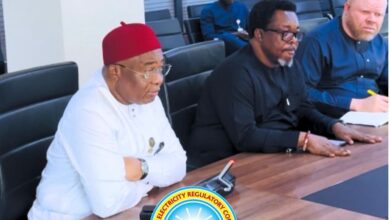


The Nigerian Independent System Operator (NISO), has waded into the crisis generated by the recent order issued by the Enugu State Electricity Regulatory Commission (EERC), revising the electricity tariff within Enugu state.

The issue which has led to the reduction of electricity supply to the state by 50%, is currently causing outages in some parts of the state.
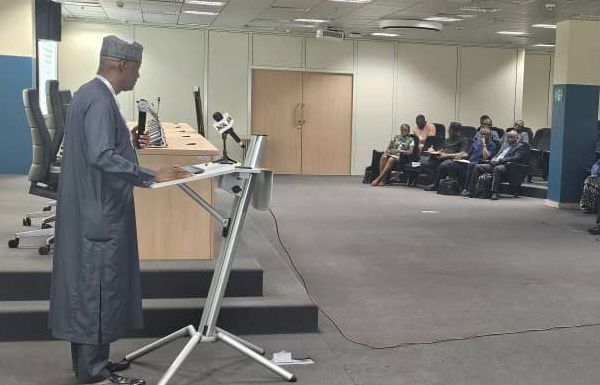
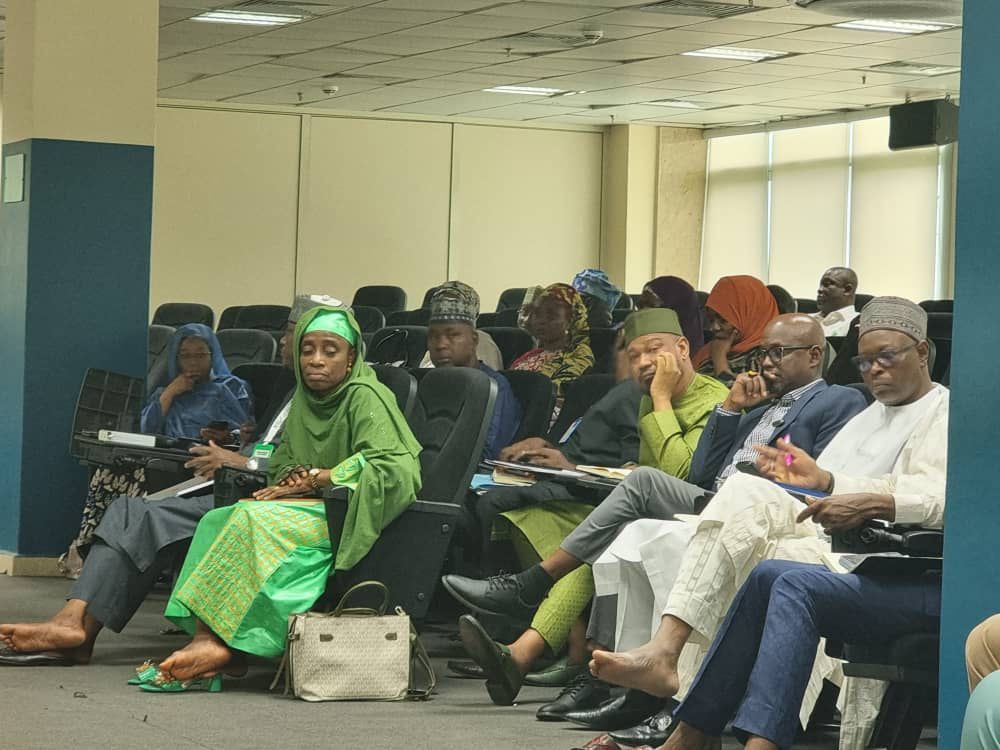
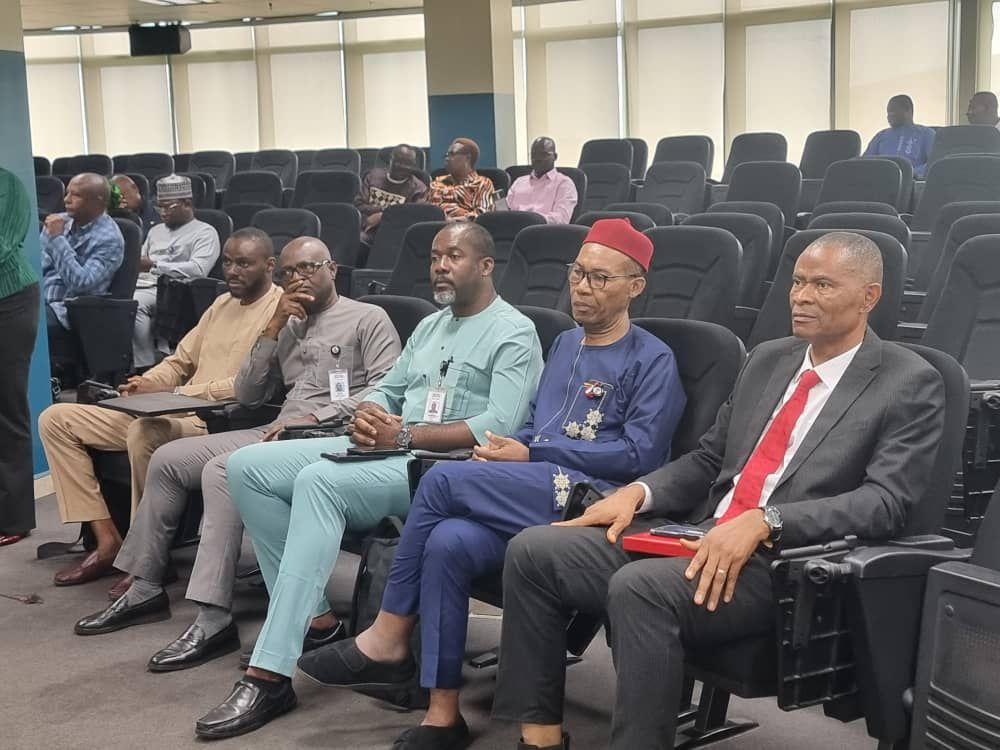
Speaking on Wednesday in Abuja, at the Stakeholder Engagement on Tariff Adjustment in Enugu State by EERC, the Managing Director/CEO, NISO, Engr. Abdu Mohammed Bello, explained that the intervention was necessary to ensure that no action disrupts the Nigerian Electricity Market stability, the integrity of contracts, or operational obligations that guarantees reliable supply.
Engr. Bello said that the NISO approached the discussion with neutrality, respect, and an open mind, adding that the meeting was not convened to question the authority of the Regulator or the Operators, as it fully recognizes the statutory powers of the Enugu State Electricity Regulatory Commission to regulate activities within its jurisdiction, and equally acknowledges the license and operational responsibilities of the Enugu Electricity Distribution Company (EEDC) in serving its customers.
However, he said, the NISO has a distinct statutory role to play as the administrator of the Nigerian wholesale electricity market and a quasi-regulator of market operations.
“Our mandate obliges us to safeguard the integrity of the market settlement framework, ensure contractual obligations are respected, and maintain the delicate balance that allows every participant — from Generators to Distributors, from Regulators to Consumers — to operate in a financially sustainable and technically reliable environment,” he added.
The NISO MD stated that if the recent move by the EEDC to curtail power supply to Enugu State by up to 50% is implemented, it could have serious operational implications, particularly at the TCN–DisCo interfaces where power transfer capacity Service Level Agreements (SLA) are managed.
“It has also prompted necessary questions about how such decisions interact with the operations, dispatch, commercial arrangements, and financial equilibrium of the Nigerian Electricity Supply Industry as a whole,” he said.
He further explained that NISO is responsible for both commercial balance in the market and also for ensuring technical stability and operational compliance — both of which may be affected by the current situation.
He maintained that the objective of the meeting was to understand the facts, assumptions, and considerations behind the tariff adjustment; to examine its potential impact on the wider market and on existing contractual frameworks; and to explore togethe how to harmonize state-level regulatory innovation with the commercial discipline and stability required in the wholesale electricity market.
“Our role in convening this discussion is grounded in both our Market Administration and System Operations mandates through the instrumentalities of the Electricity Act 2023, the Market Rules and the Grid Code which:
“Empowers the Market Operator to administer the wholesale electricity market, ensure compliance with market rules, and uphold contractual obligations, Mandates us to safeguard the financial integrity and orderly operation of the market, Requires us to convene consultations when any matter arises that could materially affect market operation or settlement, and Assigns NISO responsibility for monitoring participants’ compliance with operational obligations, including dispatch instructions, system reliability, and service level agreements on power transfer capacity at TCN–DisCo interfaces,” added.