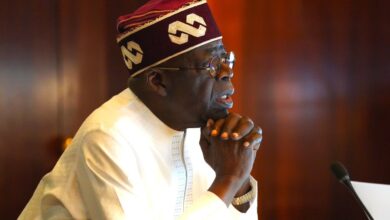


Nigeria’s Minister of Marine and Blue Economy, Adegboyega Oyetola, has called for stronger regional collaboration and increased investment to unlock the full potential of the fisheries sector across West and Central Africa.

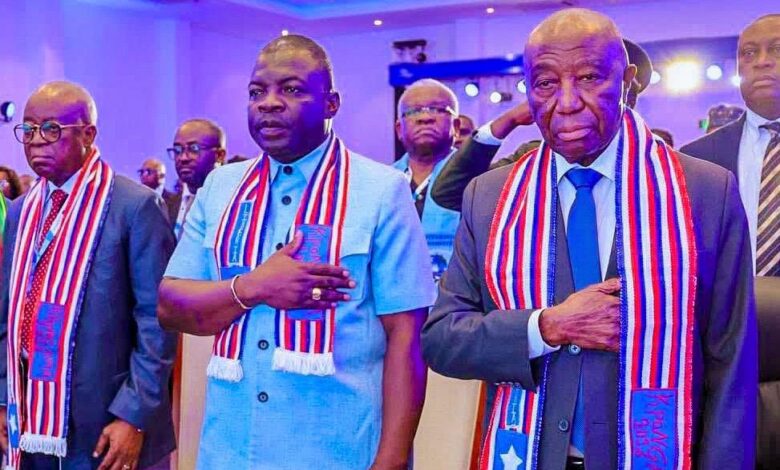
Oyetola made the call in Monrovia at the National Fisheries Investment Conference held from March 30 to 31, 2026, according to a statement made available on Tuesday by his Special Adviser, Dr. Bolaji Akinola.
He described the gathering as a timely platform to drive growth in fisheries and the broader blue economy.
The conference declared open by Liberian President, Joseph Nyuma Boakai, drew ministers and stakeholders from across the subregion, with a focus on boosting fisheries development and investment.
Speaking at the event, Oyetola stressed that fisheries and aquaculture remain critical to food security, job creation and economic growth in the region, noting that millions depend on the sector for their livelihoods.
“This conference comes at a critical time for our region,” he said, adding that fish remains one of the most affordable sources of protein for many households.
Despite the sector’s importance, the minister warned of persistent challenges, including declining fish stocks, inadequate infrastructure and limited access to finance and modern technology.
He emphasised that addressing these issues requires a strong commitment to sustainability, increased funding and closer regional cooperation.
“Our oceans, rivers and coastal ecosystems must be carefully managed. Without sustainability, long term benefits cannot be achieved,” Oyetola said.
The minister noted that the Federal Government, under President Bola Tinubu, is repositioning fisheries and aquaculture as key drivers of the blue economy through policies aimed at boosting local production, reducing imports and strengthening regulation.
According to him, these efforts are already yielding results, including sustained access to international markets for Nigeria’s shrimp exports.
Oyetola also highlighted broader reforms in the marine sector, including measures to tackle pollution, improve port infrastructure and enhance maritime security.
He said Nigeria’s recent record of zero piracy incidents in the Gulf of Guinea has boosted investor confidence.
On investment, he called for increased funding across the fisheries value chain, covering aquaculture, processing, cold-chain logistics and export development, noting that the sector holds significant potential for youth employment and economic expansion.
He further underscored the need for collective action in tackling illegal, unreported and unregulated fishing, pointing out that fish stocks transcend national borders.
“No single country can tackle illegal, unreported and unregulated fishing alone,” he said.
In his capacity as Chairman of the Fisheries Committee for the West Central Gulf of Guinea, Oyetola reaffirmed the commitment of the Fisheries Committee for the West Central Gulf of Guinea to strengthening regional fisheries governance through initiatives such as a shared record of fishing vessels, coordinated patrols and improved information sharing systems.
He added that efforts are ongoing to harmonise fisheries policies among member states and promote intra-regional trade to strengthen value chains and attract investment into the sector.