
The Central Bank of Nigeria (CBN) has stated that while tremendous progress has been made through the monetary and fiscal reforms in the country, more work is required to improve macroeconomic fundamentals and the standard of living for Nigerians.
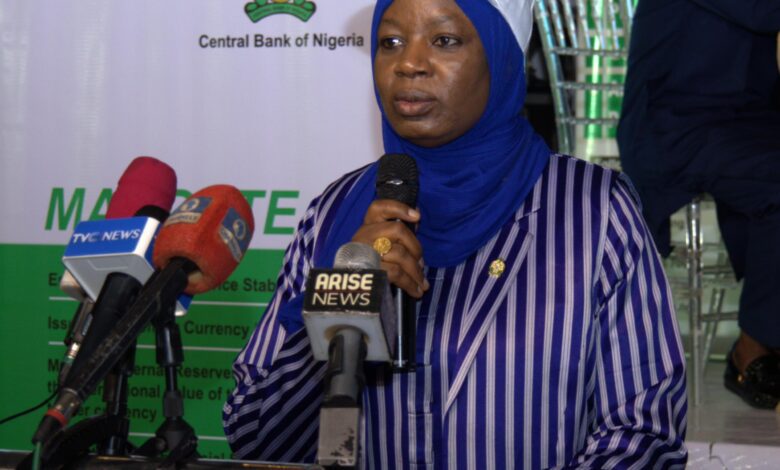
CBN Deputy Governor, Corporate Services, Ms Emem Usoro, who stated this on Thursday while speaking at the Seminar for Finance Correspondents and Business Editors in Lagos, called for improved partnerships among policymakers, regulators, and the media for better outcomes.
TheFact Daily reports that the FICAN Seminar, which brought together journalists from across Radio, Television stations, and online platforms was organised to deepen understanding of the apex bank’s policies and programmes.
Speaking, Ms Usoro said the theme, “Aligning Monetary and Fiscal Policies Towards Achieving a Robust Financial System,” was timely, as it provided an opportunity for open discussions and recommendations that would enhance understanding of current government reforms, for the overall interest of Nigerians.
Ms Usoro who was represented by the Director, Corporate Communications Unit, Mrs Hakama Sidi Ali, explained that the challenging macroeconomic environment witnessed when the Governor, Olayemi Cardoso management team assumed office two years ago, necessitated the reforms.
Noting that “inflation was high, the naira was unstable due to forex scarcity, external reserves and oil receipts were low, and the economy faced significant FX backlogs and dependence on ways and means financing.”
The Deputy Governor, however, stated that guided by strong and transparent leadership, the Bank implemented well-sequenced and compliance-driven measures, including orthodox monetary policies, strengthened corporate governance, and the ongoing bank recapitalisation programme.
These actions, according to her, aligned with the Federal Government’s reform agenda, have helped restore stability and improve key macroeconomic indicators.
Arguing that “inflation has declined to 16.05%, the exchange rate has stabilised below ₦1,500/$ with minimal volatility, and external reserves now exceed $46 billion, providing over 10 months of import cover. Monetary policy adjustments are supporting lower lending rates as inflation continues to ease.
“These achievements reflect the commitment of the Central Bank of Nigeria under the leadership of Governor Olayemi Cardoso and his team, and underscores the importance of the media in communicating the benefits and progress of reforms to the public. Effective communication strengthens public understanding and supports successful policy outcomes.”
Ms Usoro maintained that aligning fiscal and monetary policies was essential to strengthening the financial system, enhancing regulation, and ensuring resilience, especially as technological innovation and digital finance continue to expand.
“Better coordination promotes transparency, accountability, policy discipline and credibility, leading to improved economic outcomes,” she added.
The Deputy Governor said the media also has an important role in explaining policies clearly and accurately to citizens.
Earlier, the CBN Lagos Branch Manager, Mr Adamu Anthony said at this time of global economic uncertainties, and evolving financial landscape, the importance of synergy between monetary and fiscal authorities cannot be overstated.
He noted that the seminar was organized not to only share insights but to foster collaboration between policymakers, financial institutions, economists and thought leaders.
Noting that the shared goal was clear, to build a resilient, inclusive and sustainable financial system that promotes growth and stability.
According to him, the country stands at a critical juncture in its economic journey, underscoring the need for convergence of fiscal and monetary policies, one that demands clarity, coordination and credibility.
While stating that the current environment demands policy coherence, monetary policy with its focus on price stability and liquidity, Mr Anthony said that the
misalignment between the two could lead to inefficiencies, inflationary pressure and weakens investor confidence.
However, he said when harmonized, these policies could restore investor confidence, support inclusive growth, strengthen the Naira, and external reserves.
He urged that the meeting be a catalyst for actionable solutions, one that not only strengthens the financial architecture but also uplifts the lives of the people.