
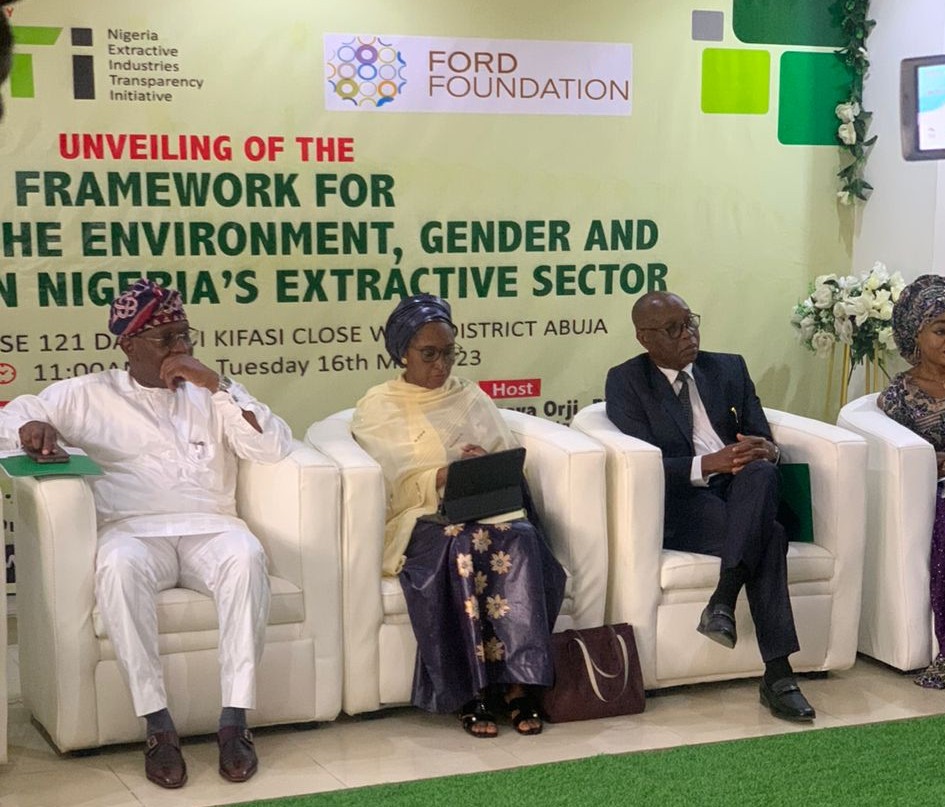

The Federal Government has commended the move by the Nigeria Extractive Industries Transparency Initiative (NEITI) to bridge the widening gender disparity in the extractive Industries.
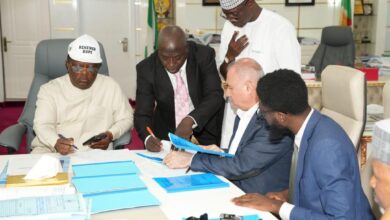
Minister of Finance, Budget and National Planning, Mrs Zainab Ahmed gave the commendation while unveiling the NEITI’s Gender and Environmental Frameworks for Reporting in Nigeria’s Extractive Industries on Tuesday in Abuja.
TheFact Daily gathered that the energy sector is the most gender imbalance sectors in the world’s economy. Available statistics show that women account for one percent (1%) of oil and gas Chief Executive Officers (CEOs). Other sources indicate that women hold fewer than five percent (5%) of top positions in the energy sector and fewer than fourteen percent (14%) of senior management positions in energy related businesses.
Speaking, Mrs Ahmed said, the launch of the Gender and Environmental Frameworks were commendable, not just for the purpose of meeting Nigeria’s obligation to the global Extractive Industries Transparency Initiative (EITI), but to help resolving the lingering negative impact of oil, gas and mineral exploration in the host communities, as well as reducing the widening gender disparity in the extractive Industries.
The former Executive Secretary, NEITI, averred that through its regular oil, gas and mining audits, publications of timely policy papers, NEITI was well-positioned to guide and shape government policies in the energy sector and contribute to robust economic and public finance management in Nigeria.
She noted that NEITI occupies a very important position in Nigeria’s economic landscape, therefore, appealed to the incoming administration to strengthen the agency’s anti-corruption mandate.
The Minister said, the agency’s recent move to its permanent office has ended the 18 years of squatting in rented apartments, disclosing that the project was timely delivered and on budget.
In his Opening Remarks, the Chairman, National Stakeholders Working Group (The Board) of NEITI, Barr. Olusegun Adekunle said, the Board was proud to launch the two important reporting frameworks to guide stakeholders to disclose data and information on environmental payments, impacts, monitoring and management as well as information disclosure on gender parity, participation and employment in the extractive Industries.
Barr. Adekunle noted that the board in keeping with its mandate after inauguration, reviewed the NEITI Strategic Plan 2017-2021 and developed a successor Plan, covering the period 2022-2026.
“The Plan now guides the operations of the Nigeria NITI. The gender and environment reporting frameworks being launched today are direct products of the Strategic Plan”, he said.
The Board Chairman called on all stakeholders in the EITI process including government, companies and civil society to continue to collaborate and work with NEITI to ensure full implementation of the provisions and recommendations of the gender and environmental reporting frameworks.
Earlier, the Executive Secretary/Chief Executive Officer (CEO), NEITI, Dr. Orji Ogbonnaya Orji expressed NEITI’s delight to have the Minister in the NEITI House.
He recalled the structure and ethical conduct that the Minister left behind while she was the Executive Secretary of NEITI was something that NEITI would continue to cherish and build on.
The Executive Secretary stated that the two reports were direct responses to NEITI readiness to move into the issues of Gender and Environment in view of the strong connection and linkage to the EITI desired impacts in the lives of the citizens.