

By Sunday Etuka, Abuja

The Federal Government, through the Federal Ministry of Water Resources and Sanitation, has expressed its willingness to collaborate with the Zamfara State Government in implementing Water, Sanitation, and Hygiene (WASH) programmes for the benefit of the state.
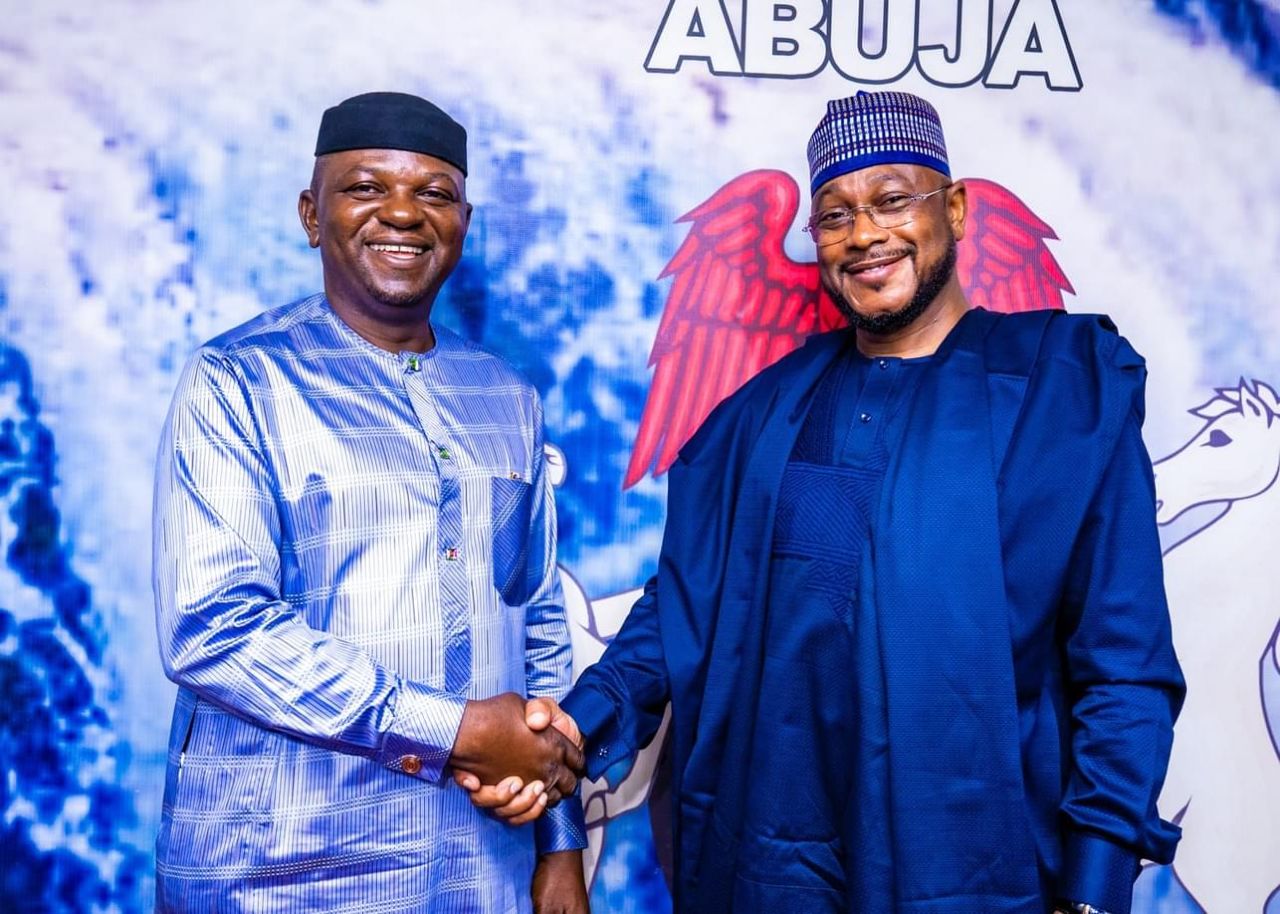
A statement on Tuesday by the Director, Information and Public Relations of the Ministry, Mrs. Funmi Imuetinyan said, the commitment was reaffirmed by the Minister of Water Resources and Sanitation, Engr. Prof. Joseph Terlumun Utsev, during a Courtesy visit in his office in Abuja.
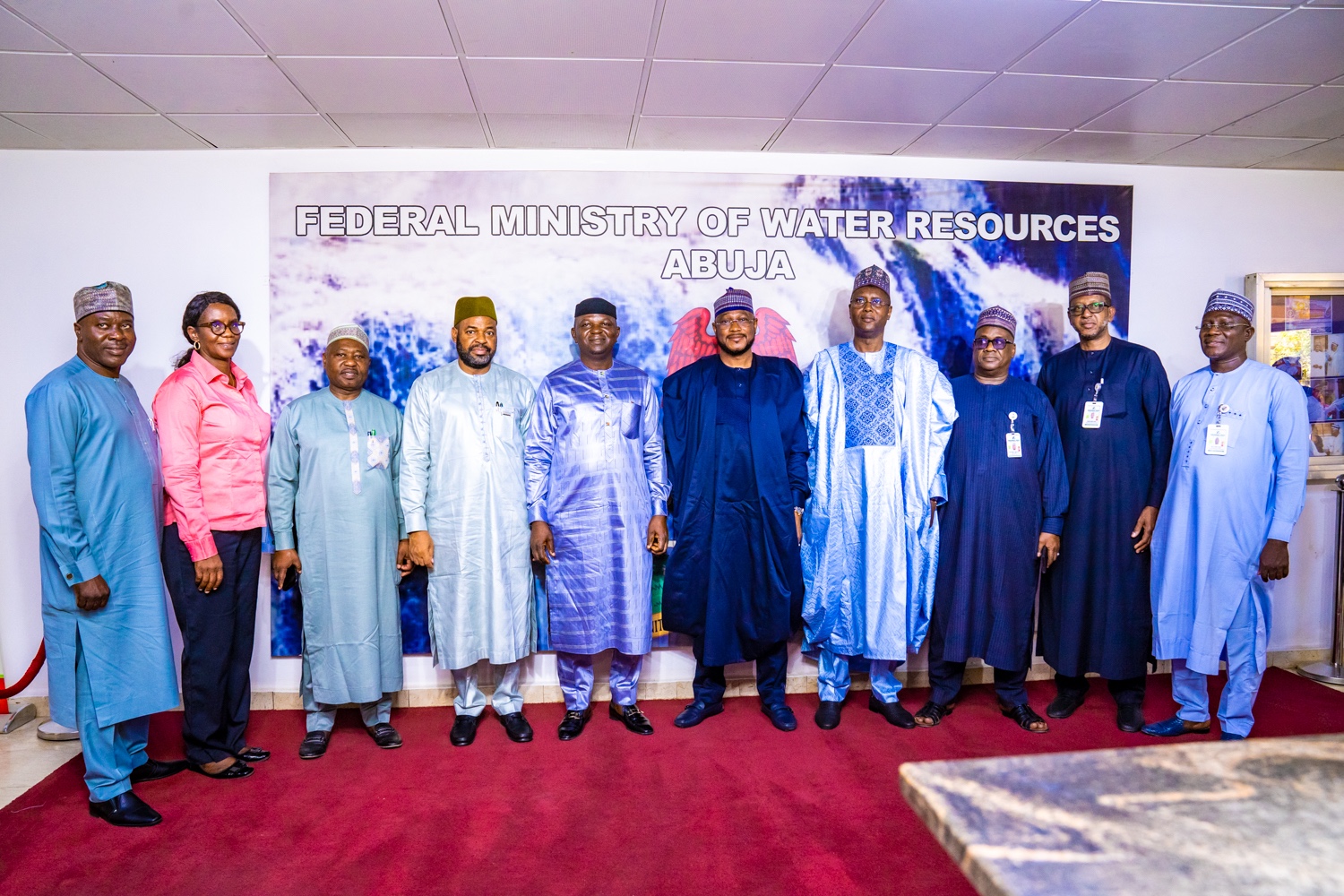
The Minister welcomed Governor Dauda Lawal of Zamfara State, along with the Secretary to Zamfara State, Abubakar M. Nakwada, and several members of his entourage who were on a working visit to the Ministry.
He highlighted various Federal Government’s WASH intervention programmes such as PEWASH, SURWASH, and others, and urged the Zamfara State Government to actively participate in the Programmes for the collective benefit of Zamfara citizens.
He also mentioned that the full components of the Bakolori Dam will be sustained in the State for the benefit of the people while also announcing that a team of WASH experts will visit the state to conduct a comprehensive assessment of the water situation, to ensure universal access to improved hygiene and clean water.
He emphasized the Federal Government’s willingness to support states with specific water needs, aligning with President Bola Ahmed Tinubu’s agenda.
Recognizing the value chain of water and sanitation in job creation, hygienic services, and investment opportunities, the Minister urged the Governor to facilitate the timely release of counterpart contributions to enable the Federal Government to fulfill its obligations for the benefit of the people of Zamfara.
Prof. Utsev further appealed to the Governor to collaborate with the private sector in constructing more toilets, particularly in public places like schools, markets, parks, and worship centers, to support the ongoing campaign against open defecation in the country
He stressed the importance of engaging religious leaders, traditional rulers, and opinion leaders in discouraging open defecation for the sake of public health and attainment of the SDG target date of 2025 for Open Defecation Free Nigeria status.
Governor Dauda Lawal congratulated the Minister for his appointment and appealed for Federal Government’s intervention in addressing water challenges in Zamfara State.
He pledged his administration’s commitment to provide counterpart contributions for various ongoing Federal Government projects in the State and gave an assurance of their successful execution for the benefit of the people.
He also highlighted the importance of utilizing all the components of the Bakolori dam project to enhance all year-round irrigated farming in the State.
The Governor assured the Minister of a cooperative and productive working relationship aimed at improving the lives of Zamfara residents.
Also present at the meeting were the Permanent Secretary, Federal Ministry of Water Resources, Alhaji Shehu Aliyu Shinkafi, and some Directors of the Ministry.