

The United Nations Children’s Fund (UNICEF) and the Katsina State Government have organised a two-day workshop for Local Government Chairmen across the 34 Local Government Areas of the state to develop data-driven strategies for tackling child poverty across the state.

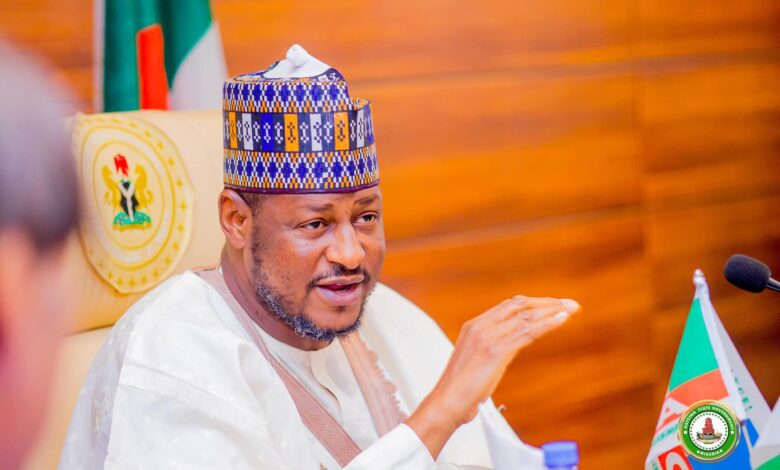
Executive Governor of the state, Dikko Radda in his opening address on Monday described the workshop as a significant step in their collective resolve to uplift the lives of children and vulnerable families across Katsina State.
Radda noted that good governance was not only about policies and projects but about improving the quality of life of every citizen, particularly children, “who represent the very soul and future of our state.”
He disclosed that child poverty remained one of the most pressing challenges facing Nigeria today.
“It goes beyond the absence of income; it encompasses the deprivation of education, health, nutrition, and opportunities. A child born into poverty is more likely to experience a lifetime of disadvantage, and that is a cycle we must break.
“According to the National Bureau of Statistics (NBS) 2022 Multidimensional Poverty Index, approximately 65.4% of children aged 0–17 in Katsina State live in multidimensional poverty. This translates to an estimated 1.46 million children under five years old facing multiple deprivations, including nutrition, health, education, sanitation, and housing.
“On conservative account, approximately 61.2% of children are living in monetary poverty, 51.3% stunted rate, 41% children immunised and 33.3% primary school-age children out of school UNICEF Nigeria (2024). These findings highlight the urgent need for strategic, data-driven action to combat child poverty and improve human development outcomes across the State.
“Our administration recognises that poverty reduction cannot be achieved through isolated interventions. It requires strategic coordination, targeted social protection, and decisions guided by reliable data.
“As Chairmen of Local Government Areas, you are the closest to the people and the first responders to the challenges of poverty and exclusion. You play a pivotal role in identifying vulnerable households, implementing support programmes, and ensuring that every intervention has a real, measurable impact.
“Social protection is not an act of generosity; it is a fundamental instrument of social justice and stability. It provides a safety net for the poor, cushions the effects of economic shocks, and promotes inclusive growth. You are therefore encouraged to utilise the LGA’s resources judiciously and optimally to address various local-specific social challenges,” he said.
The Governor further explained that his administration, in collaboration with the Federal Government and development partners, had made significant progress through programmes such as conditional cash transfers, school feeding initiatives, skills acquisition for women and youth, and community empowerment schemes.
He added: “However, we must consolidate these gains and deepen implementation at the local level. Every Local Government must strengthen its social protection systems, not only by distributing benefits but by building resilience, promoting livelihoods, and supporting families to move from dependence to productivity.
“Our vision, the Building Your Future strategic blueprint, aligns with the Sustainable Development Goals (SDGs), particularly Goal 1 (No Poverty), Goal 2 (Zero Hunger), and Goal 10 (Reduced Inequalities).”
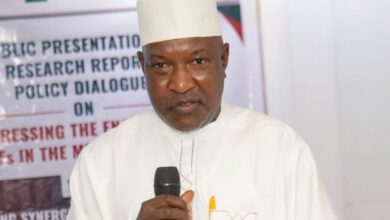
Also speaking, the State Statistician-General, Prof. Saifullahi Ibrahim informed that Katsina state had made significant strides in collecting and analysing data, and was taking a major step forward in using these data to tackle child poverty.
“With a population of over 10 million people, Katsina State faces significant challenges in reducing child poverty. However, with the right data and evidence-based policies, we can design effective interventions that reach the most vulnerable children.
“This workshop will equip our local government chairmen with the skills to harness data for evidence-based governance, ensuring that our social protection programmes are targeted, efficient, and effective”, he said.