WHO Advocates Scale-up Of Vaccination, Screening To Eliminate Cervical Cancer
By Alice Etuka, Abuja


The World Health Organization (WHO) has called on member states in the African Region to accelerate national action under the three pillars of the Global Strategy for Cervical Cancer Elimination; vaccination, screening and treatment.
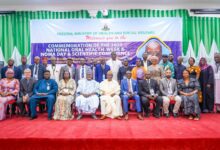
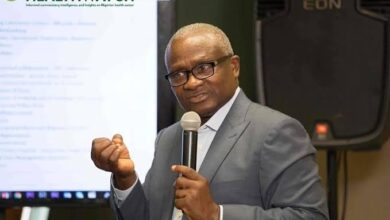
WHO Regional Dir for Africa, Dr. Mohamed Janabi gave the call in his marking the 2025 World Cervical Cancer Elimination Day.
The World Health Assembly had endorsed 17 November as World Cervical Cancer , progress African countries are making towards a future free of cervical cancer, and renew our shared commitment to ensure that no woman dies from a preventable disease”, Dr. Janabi said.
He stated that Cervical cancer remained one of the most common and deadly cancers among women in Africa. Yet, it was also one of the most preventable. “With the tools now available, HPV vaccination, screening and timely treatment, elimination is within reach. The challenge before us is to make these tools accessible to every girl and every woman, everywhere”, he added.
According to the Regional Director, momentum was building across the WHO African Region. “Thirty-two Member States have introduced HPV vaccination into their national immunization plans, reaching nearly half of all eligible girls. Several more countries have rolled out the vaccine this year, and at least eight others plan to do so in 2026. Each of these introductions represents protection, against both a virus and against loss, suffering and lives cut short too soon”, he said.
Prof. Janabi further disclosed that WHO, through the Women’s Integrated Cancer Services (WICS) initiative, was helping countries embed cervical and breast cancer screening into primary health care. “This integrated approach, continuous, accessible and women-centred strengthens the entire continuum of prevention, early detection and treatment. Presented to Ministers of Health at the Seventy-fifth Session of the WHO Regional Committee fo this year, WICS offers a practical model for advancing women’s health across our Region”, he stated.
He continued: “with the generous support of partners such as the Government of Spain, WHO is helping countries build human resource and technological capacity: updating national cancer control plans, training health workers, and providing essential equipment for treating pre-cancerous lesions.
“But progress is not yet victory. Too many women still lack access to screening, diagnosis and treatment. Too many health systems remain under-resourced to deliver the care that women deserve. Eliminating cervical cancer will demand sustained commitment, financing and coordination, from governments, partners, communities and individuals alike”.
He therefore called on all Member States to accelerate national action under the three pillars of the Global Strategy for Cervical Cancer Elimination, vaccination, screening and treatment and to place women’s health and rights at the centre of universal health coverage.
“Together, we can make elimination a reality, securing a future where every woman in Africa, wherever she lives, has access to the protection, care and dignity she deserves”,he said.