

The Director General, Nigerian Meteorological Agency (NiMet), Charles Anosike, has called for the adoption of innovative technologies, including artificial intelligence, satellite systems and big data analytics, to strengthen climate resilience in Nigeria.

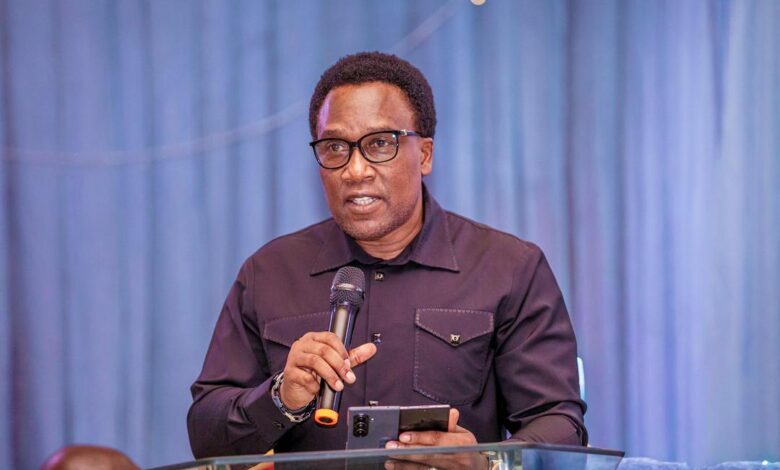
Anosike made the call on Monday at the opening ceremony of the 2026 International Conference of the Nigerian Meteorological Society (NMetS) and its 35th Annual General Meeting in Lagos.
Speaking on the conference theme, “Advancing Meteorology: Harnessing AI, Satellites, and Big Data for Climate Resilience and Sustainability,” the NiMet boss said the focus reflects the urgent need to convert scientific knowledge into practical solutions that safeguard lives, livelihoods and national development.
“Climate change is no longer a distant concern. It is a lived reality, expressed through rising temperatures, erratic rainfall, flooding, droughts, heatwaves, and increasing weather extremes that affect ecosystems, economies and societies, especially in Africa,” he said.
Anosike identified Nigeria’s growing climate challenges to include rising temperature extremes, shifting rainfall patterns, desertification in the northern region and coastal erosion in the south.
He noted that conventional meteorological approaches are no longer adequate to address the scale and complexity of these challenges, stressing that emerging technologies are now central to modern weather forecasting.
According to him, AI driven forecasts, combined with satellite observations and high-performance computing, are being deployed by NiMet to deliver more accurate, timely and impact-based predictions.
The NiMet DG further highlighted the agency’s collaborations with global and regional partners, including AIM for Scale, Ignitia, Tomorrow.io, the Korean Meteorological Authority and the China Meteorological Administration, to enhance the integration of AI into its operations.
He added that NiMet’s Digital Climate Advisory Service is already supporting farmers with weather based advisories to improve climate-resilient agriculture.
Anosike also underscored the role of professional bodies, researchers and educators in advancing meteorological science, urging stronger participation from the private sector and civil society in improving observation systems and climate services.
He called on NMetS to mentor young professionals, promote ethical research and bridge the gap between science and policy in line with the United Nations’ Early Warnings for All initiative.
The NiMet boss reaffirmed the agency’s commitment to leveraging science, innovation and technology to build a climate-resilient Nigeria.
Highlight of the event was the conferment of a fellowship and commendation award on Anosike in recognition of his contributions to meteorological services.