

The Federal Government has projected the nation’s gas demand to exceed supply by 2030, calling for urgent investments, market reforms and infrastructure expansion to bridge the widening gap.
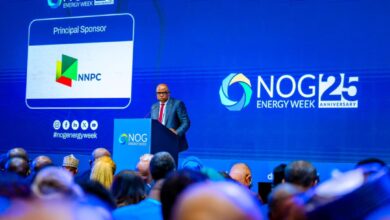
Speaking during a panel session at the ongoing Nigeria Oil and Gas (NOG) Energy Week 2026 in Abuja, the Coordinating Director of the Decade of Gas Initiative, Ed Ubong, said efforts should be also geared towards availability and affordable cooking gas for millions of households.
According to Ubong, projections by the Decade of Gas Secretariat indicate that national gas demand would rise to about 15 billion cubic feet (bcf) per day by 2030, surpassing the expected supply of about 12 bcf per day.
He said although the projected shortfall poses a challenge, it also presents an opportunity for investors to accelerate upstream gas development and strengthen domestic gas infrastructure.
He said: “The first question we must ask is whether there is credible demand for gas. The answer is yes. Demand is growing across both the domestic and export markets, and we must ensure supply keeps pace.”
According to him, Nigeria’s gas reserves have continued to grow, reaching about 215 trillion cubic feet, while gas production stood at approximately 7.87 bcf per day as of the end of May.
Ubong attributed the steady growth to increased investment in gas development, improved production and declining gas flaring.
“It is encouraging that reserves are increasing, production is rising and gas flaring continues to decline. That is the balance we must sustain as we work toward our production target.”
To close the anticipated supply gap, he disclosed that more than 20 gas projects were expected to add about 4.6 bcf per day, pushing national output closer to the country’s 2030 production target.
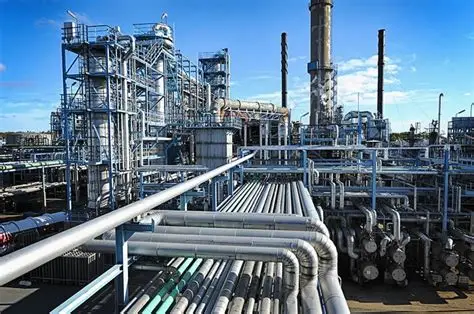
He also called for faster delivery of critical gas infrastructure, including the completion of compressor stations and the Ajaokuta-Kaduna-Kano (AKK) Gas Pipeline to facilitate gas transportation across the country.
According to him, regional integration through the proposed African Atlantic Gas Pipeline and expansion of the West African Gas Pipeline corridor would further strengthen gas security across West Africa.
Ubong also advocated the gradual transition of Nigeria’s gas market to a fully commercial pricing system driven by willing buyers and willing sellers, while maintaining affordability for consumers.
He commended the Nigerian Midstream and Downstream Petroleum Regulatory Authority (NMDPRA) for its pricing framework but said the industry must strike a balance between encouraging investment and protecting consumers.
“We need a pricing system that attracts investment, supports exports and at the same time ensures gas remains affordable for Nigerians.”
The Decade of Gas Coordinator stressed that Liquefied Petroleum Gas (LPG) commonly known as cooking gas, should remain accessible despite fluctuations in global energy prices.
He said the government would continue monitoring domestic LPG prices to cushion the impact of international market volatility on households.
“Coking gas is the product most directly felt by ordinary Nigerians. We must ensure it remains affordable and accessible.”
As part of efforts to deepen clean energy adoption, Ubong disclosed that the Federal Government plans to distribute five million LPG cylinders to women in rural communities by 2030, averaging about one million cylinders annually.
He added that the government was also working to unlock more gas for electricity generation to address Nigeria’s persistent power shortages, describing gas as the country’s most viable transition fuel.
Ubong said collaboration among governments, regulators and industry players remained critical to achieving the Decade of Gas objectives, adding that a communiqué would be issued at the end of NOG Week to strengthen regional cooperation on gas supply, infrastructure and market development.