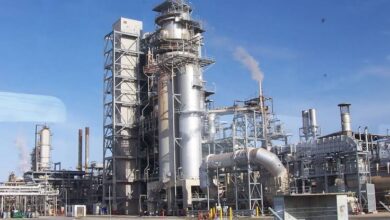

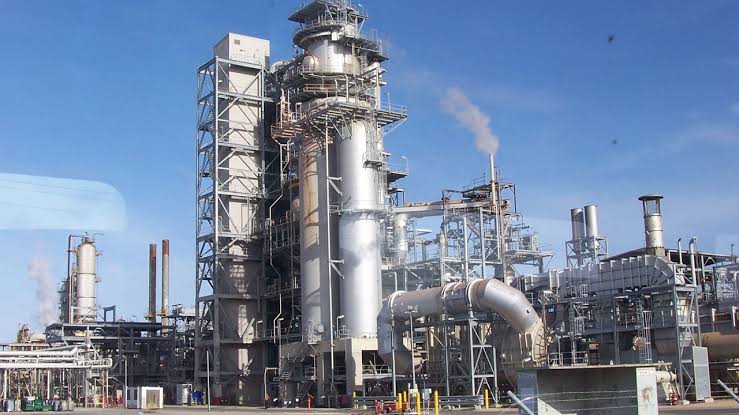

Nigerians have praised the foresight of the President/Chief Executive of Dangote Industries Limited, Mr Aliko Dangote, for building the largest single train refinery in the world.

The commendations come following the escalating conflict between the United States, Israel and Iran, which has sent shockwaves through global oil markets, pushing crude prices sharply higher and causing jitters on financial markets worldwide.
Fears of supply disruptions in the Strait of Hormuz, a critical transit route for about one-fifth of the world’s seaborne oil, have fuelled intense speculation, with analysts warning prices could climb toward $100 a barrel if the conflict persists.
According to reports, as trading opened Monday, Brent crude climbed sharply, while West Texas Intermediate (WTI) also saw significant gains as traders weighed the risks of further disruptions. Global stock indexes slid in response, with risk-off sentiment pushing investors toward safe-haven assets like gold and government bonds.
In Nigeria and across social media, the conflict’s energy market fallout has triggered a unique strand of public opinion and many netizens have seized on the existence of the Dangote Refinery, world’s largest single-train refinery, as a potential buffer against global supply shocks and a symbol of regional fuel resilience.
Conversations online have framed the refinery as a hopeful counterbalance to rising fuel costs. However, economists stress that local refining capacity cannot fully insulate domestic markets from global pricing pressures.
The ongoing conflict underscores how geopolitical tensions in the Middle East can ripple outward to impact economies and consumers around the world from emerging markets reliant on energy imports to exporters such as Nigeria, which stand to benefit from short-term revenue gains but face inflation and cost pressures at home.
The ongoing tension has triggered a surge of public commentary highlighting the Dangote Refinery as a lifeline for regional fuel supply:
An X user posted: “With the threat of global escalation and potential oil price spikes looming, Aliko Dangote’s foresight feels more crucial than ever. Thank you, @DangoteGroup, for your ingenuity and wisdom in building the Dangote Refinery. Nigeria’s insulation from future shocks is thanks to your vision.”
Another user, Umar Muhammad, tweeted: “Whether Nigerians like it or not, @DangoteGroup Dangote refinery is a blessing to Nigeria.”
Dworld also stated that: “We’ll now know the importance of the Dangote refinery.”
Abby CURTIS commented: “Just imagine we don’t have DANGOTE REFINERY @DangoteGroup. Omooo… Reports are saying Iran has blocked the Strait of Hormuz. Critical infrastructures are very crucial. Thank you, Alhaji Aliko @AlikoDangote.”
Oloye Olalekan added: “Refined oil products from Saudi Arabia @SaudiAramco_ITC and Russia in ‘trouble’; global shortage supply, Dangote @DangoteGroup to the rescue.”
Kode.org said: “Thanks to @DangoteGroup refinery in Nigeria. We have the crude, and we have the refinery. Please keep your wars away from Africa.”
Abdullah D simply wrote: “@DangoteGroup God performing miracles, this is another sign that you need to expand bigger.”
Reacting to a viral video on the Saudi Aramco attack, Hussaini Abbakyari commented: “Let @DangoteGroup supply their needs.”
Analysts stress that while local refining helps reduce some domestic exposure to global price shocks, it cannot completely shield Nigerian consumers from international oil market volatility.
Dangote Refinery recently announced in a statement that it will supply up to 65 million litres of petrol daily to meet national demand and export a surplus of up to 20 million litres.
Dangote said a structured offtake agreement has been concluded with selected marketers to ensure nationwide distribution and eliminate supply instability.
“We have agreed an offtake framework to supply up to 65 million litres daily for the domestic market; any surplus, estimated at between 15 and 20 million litres, will be exported,” the group president said.
He added that the structured model is designed to eliminate supply bottlenecks and curb speculative practices that have historically triggered disruptions.
According to the statement, the development signals a major structural shift in Nigeria’s fuel supply chain, as industry analysts consider it.
“For decades, Africa’s largest crude oil producer relied heavily on imported refined products, exposing the economy to foreign exchange volatility, logistics disruptions and periodic shortages,” Dangote refinery said.
“With local refining now exceeding national demand, the country stands to conserve billions of dollars annually in foreign exchange previously spent on petrol imports.
“Analysts say this would ease pressure on the naira, strengthen external reserves, and improve trade balance stability.”