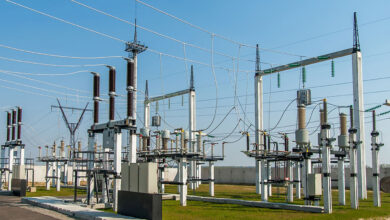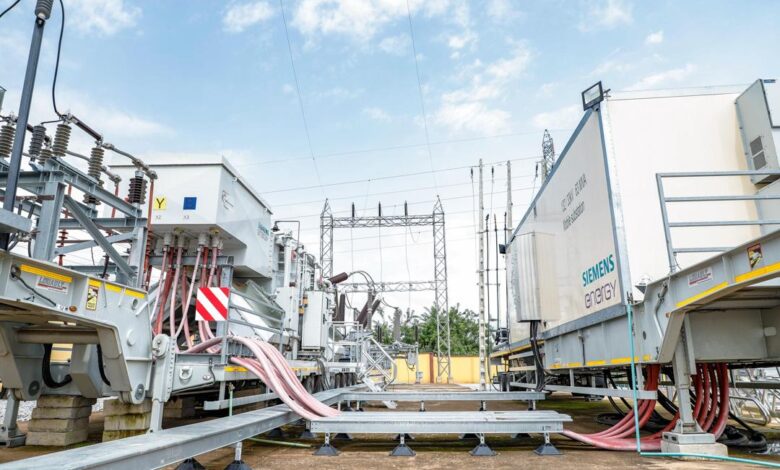


The Forum of Commissioners for Power and Energy (FOCPEN) says no state has backpedal on power market reforms over tariff or debt risks.

FOCPEN said the clarification was necessary in response to a report on national daily suggesting that subnational governments have reversed course on power sector reforms following the enactment of the Electricity Act.
The group, in a statement jointly signed on Sunday by its Chairman, Prince Eka Williams, and Ag. Secretary, Engr. Mohammed Ihiezue Abdulmutalib, said the report was inaccurate, and does not reflect the true position and progress of Nigeria’s States in advancing electricity market reforms.
“States Are Advancing, Not Retreating Contrary to the impression created, no State has withdrawn or reversed its commitment to electricity market reforms.
“On the contrary, more States are actively engaging with the opportunities provided under the Electricity Act and are at different stages of legislation, regulatory formation, and market
design,” it noted.
The Forum while outlining the progress made across the states since the passage of the Electricity Act, said: “Twenty (23) States have already passed enabling laws to establish their electricity markets, with
more States joining.
“14 States now have formal NERC transfers of regulatory oversight. More States are joining the
reform journey each month—recent examples include formal transfer processes for Bayelsa and
Nasarawa.
“Also in its just concluded Energy Summit, Akwa Ibom State unveiled its state market
blueprint, signaling strong intent to develop its state electricity market.
“Other States are similarly planning or hosting stakeholder engagements, workshops, and policy dialogues that will accelerate the localization of electricity governance.
“Regulatory Commissions have been constituted in pioneering States, with others at advanced
stages of setting up theirs, showing that the state markets are operational, not theoretical.
“States across all regions are actively exploring frameworks for independent regulation, tariff
orders, and market design.”
FOCPEN noted that the Electricity Act is a landmark piece of legislation that has opened the door for subnational
participation. Explaining that states are approaching this transition with seriousness and caution, ensuring that their frameworks are credible, bankable, and sustainable.
The assured that the States are not retreating; they are advancing with structured, deliberate reforms.
It disclosed that collaboration with the Federal Government and development partners is ongoing to build capacity and ensure smooth implementation, financial sustainability, and consumer protection.
The goal, according to group, is to strengthen power supply, enhance accountability, and expand access through
transparent and competitive state-level markets.