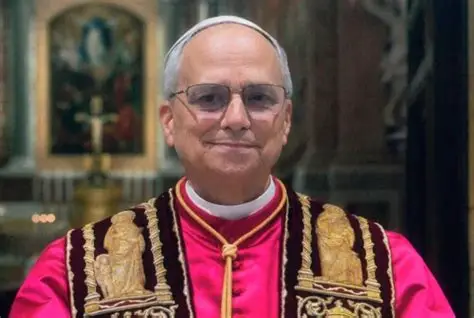


Pope Leo XIV has cautioned against viewing artificial intelligence (AI) as a morally neutral technology, insisting that ethical scrutiny must extend beyond how AI is used to include how it is designed and the values embedded within it.

The Pontiff gave the warning via a post on his official X handle on Thursday.
TheFact Daily reports that his remarks came amid growing global debates over AI governance, transparency and regulation as governments, technology companies and civil society organisations seek frameworks to ensure the rapidly evolving technology remains aligned with human rights and ethical standards.
Pope Leo XIV’s intervention adds the voice of the Catholic Church to international calls for stronger safeguards and human-centred approaches to AI development, particularly as the technology becomes increasingly integrated into public services, workplaces and everyday life.
He stated that every technological tool reflects specific choices and priorities through what it measures, ignores, optimises and the way it classifies people and situations.
Pope Leo XIV said ethical discernment should not be limited to determining whether a system is being used for good or bad purposes.
“We cannot consider AI to be morally neutral,” he said. “In reality, every technical tool embodies choices and priorities through what it measures, ignores and optimises, and how it classifies people and situations.”
According to him, the design of AI systems and the data and models that guide them often reflect a particular vision of the human person and society, making it essential for developers, policymakers and users to critically examine their underlying assumptions.
The Pope stressed that AI must be developed and deployed in ways that respect human dignity and promote the common good.
He called for clear accountability throughout the AI lifecycle, from the designers and developers of the technology to those who deploy and rely on it for decision-making.
“For AI to respect human dignity and truly serve the common good, responsibility must be clearly defined at every stage,” he said.
The Pontiff further argued that individuals and institutions involved in AI systems should be identifiable and answerable for decisions made through the technology.
“It must be possible to identify who must account for decisions, justify them, monitor them and, when necessary, challenge them and remedy any harm caused,” he added.