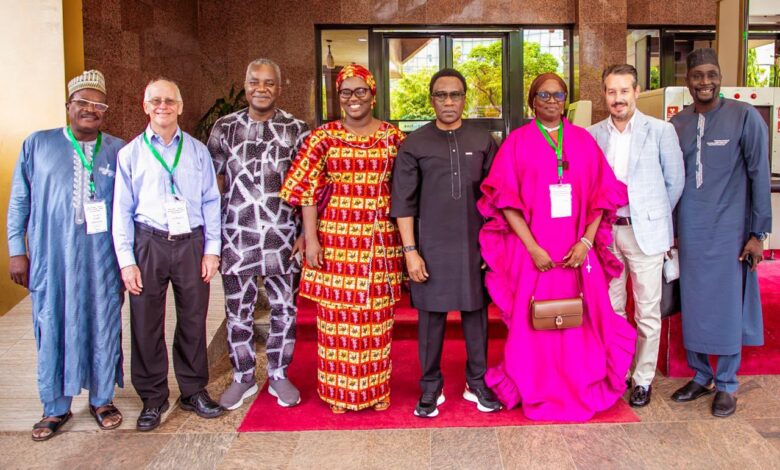


The Nigerian Meteorological Agency (NiMet) has intensified efforts to improve farmers’ resilience to climate change by equipping agricultural extension professionals with the skills to deliver climate-informed advisory services across the country.

The initiative culminated in the successful completion of a 10-day Climate Risk Management in Agricultural Extension (CRMAE) Training of Trainers workshop in Abuja, organised by NiMet in partnership with the International Livestock Research Institute (ILRI), Alliance for a Green Revolution in Africa (AGRA), Stockholm Environment Institute (SEI), Sasakawa Africa Association and other development partners.
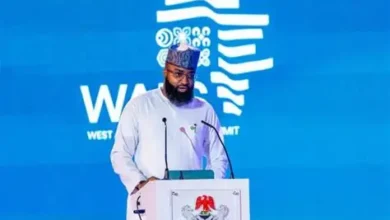
Speaking at the closing ceremony on Friday, the Director-General NiMet, Prof. Charles Anosike, said empowering extension officers with climate knowledge was critical to safeguarding Nigeria’s food systems against the growing threats of climate change.
“Agricultural extension officers are the critical link between climate services and farmers. They convert weather and climate information into practical guidance on planting dates, crop selection and water management,” he said.
Anosike noted that the Nigeria-adapted Climate Risk Management in Agricultural Extension curriculum would enhance the ability of extension personnel to provide farmers with reliable climate information and practical adaptation strategies.
He said evidence shows that effective, localised extension services can raise agricultural productivity by between 20 and 30 per cent while reducing farmers’ exposure to climate-related risks.
“The impact of this programme will not be measured by the number of certificates issued but by improved farmer livelihoods, stronger climate resilience and enhanced national food security. I encourage you to share this knowledge widely through extension networks, cooperatives and farming communities,” he said.
The NiMet boss reaffirmed the agency’s commitment to institutionalising the curriculum and promoting its nationwide adoption to strengthen climate services for agriculture.
Also speaking, AGRA Nigeria Programme Officer, Dr. Esther Ibrahim, who represented the Country Director, described climate risk management as a vital tool for modern agricultural extension and urged participants to put their new knowledge into practice.
“Farmers need timely, reliable and actionable climate information to make informed decisions. I encourage you to apply the skills acquired during this training to support resilient agricultural production in your communities,” she said.
The workshop was attended by representatives of ILRI, AGRA, SEI, Sasakawa Africa Association, the National Universities Commission and other stakeholders committed to climate-smart agriculture.
Participants received certificates at the end of the training and are expected to replicate the programme across extension networks nationwide, helping farmers make better climate-related decisions and strengthening Nigeria’s drive towards sustainable food security.