
Nigeria’s Data Consumption Hits 1.66m Terabytes In July, Up 47% — NCC
By Stella Enenche,Abuja


Nigeria’s data consumption rose by 47 per cent to 1.66 million terabytes in July 2026, from 1.13 million terabytes recorded in the corresponding period of 2025, the Nigerian Communications Commission (NCC) has said.

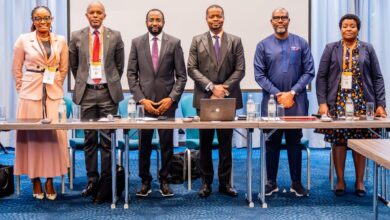
The Executive Vice Chairman of the NCC, Dr Aminu Maida, disclosed this on Tuesday at the opening of the first Nigeria Digital Connectivity Investment Forum in Abuja.
He said the surge in data demand underscored the need for sustained investment in telecommunications infrastructure to expand network capacity and improve service quality.
Maida called for increased investment and partnerships to bridge the country’s connectivity gaps.
He said the growing adoption of cloud services and artificial intelligence would further increase demand for reliable telecommunications networks, making infrastructure expansion imperative.
According to him, Nigeria’s experience during the introduction of GSM 25 years ago demonstrated the importance of policy reforms and transparent licensing in attracting private investment into the telecommunications sector.
“At a time when a telephone line was beyond the reach of most Nigerians, policy reform and a transparent licensing process gave private investors the confidence to enter the market. The networks they built changed how we communicate and opened opportunities that have continued to grow,” he said.
The NCC chief executive noted that the commission was working to create a conducive investment environment through regulatory reforms, improved infrastructure protection and engagements with state governments to reduce the cost of network deployment.
He cited the 2025 tariff adjustment, which addressed financial pressures on operators and their capacity to invest, as well as President Bola Tinubu’s designation of telecommunications infrastructure as Critical National Information Infrastructure.
Maida also identified ongoing engagements with state governments on Right of Way charges as part of efforts to reduce the cost of deploying telecommunications infrastructure.
He, however, stressed the need for regulatory certainty, saying investors required confidence in how rules were applied and decisions made.
The NCC boss said the commission was adopting evidence-based regulation to identify investment opportunities, address barriers to infrastructure deployment and assess the effectiveness of its interventions.
He disclosed that the commission’s collaboration with Swedfund and Ookla was providing independent data on actual connectivity experiences across the country, helping to identify service gaps and areas requiring further investment.
Maida also highlighted the NCC’s Consumer Data Lab, funded by the Gates Foundation and developed in collaboration with Innovations for Poverty Action, which integrates network performance data, consumer complaints and operators’ interventions to monitor service delivery.
He said the dashboard enabled the commission to examine network challenges by location and demographic group, assess improvements and identify areas requiring further network upgrades.
The two-day forum, organised in partnership with Swedfund and Ookla, is expected to explore investment opportunities, financing models and partnerships to expand digital connectivity in Nigeria.
Maida said while some projects were ready for commercial investment, others required further project preparation, shared infrastructure and development finance to become viable.
He urged participants to identify obstacles to investment and develop practical solutions to advance connectivity projects.
He said investments in digital infrastructure should ultimately improve access to education, business opportunities and essential services for Nigerians.