

Nigerian children have called on the Federal Government, development partners, the private sector and communities to increase investment in their health, education and overall well-being.

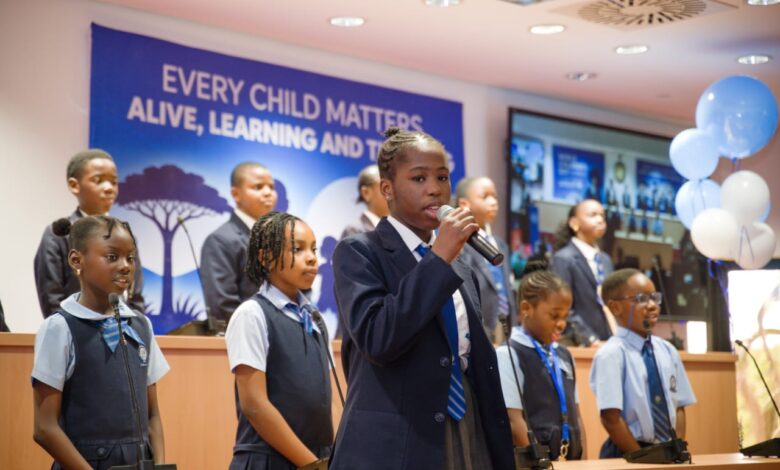
The children made the call during the 2026 World Children’s Day celebration held at the United Nations House in Abuja on Friday, November 20.
The event, organised under the theme, “Every Child Alive, Thriving and Learning: A Shared Responsibility,” provided a platform for children to engage government officials, development partners and experts on issues affecting their lives.
Discussions focused on ensuring that every child receives the best start in life, particularly during the first 1,000 days, from pregnancy to the child’s second birthday, as well as addressing barriers preventing millions of Nigerian children from accessing education.
The participants called for improved access to healthcare and nutrition services for mothers and young children, stressing that poverty, geographical location, gender and disability should not determine a child’s access to quality education and other opportunities.
Speaking at the event, UNICEF Deputy Representative, Operations, Charles Lolika, who represented the Country Representative, Ms. Wafaa Saeed, said young people must be given opportunities to influence decisions affecting their future.
He said children wanted to grow up healthy, well-nourished and safe, with access to quality education and opportunities to fulfil their potential.
According to him, achieving these goals requires collective commitment from government, families, communities and development partners.
Lolika urged stakeholders to translate discussions from the celebration into concrete policies, budgetary commitments and investments that would improve children’s lives.
“Listening to children is important, but listening must lead to action. The choices we make in our budgets, policies, communities, and homes determine whether a child gets the right start in life, whether that child enters and stays in school, and ultimately the future that child can build.
“We must choose children, and we must choose them now,” he said.
The UNICEF official noted that this year’s celebration also marked the beginning of activities towards the organisation’s 80th anniversary on December 11, 2026, under its global campaign, “Choose a Future for Children.”
He recalled that UNICEF was established in 1946, after the Second World War, to protect children irrespective of their nationality, religion, political affiliation or circumstances.
Lolika said eight decades of collective action and investment had contributed to progress in child survival, healthcare, education and protection, but warned that these gains were increasingly threatened by conflicts, climate shocks, inequality and declining resources for essential services.
He said Nigeria must renew its commitment to ensuring that every child receives a good start in life, has access to learning opportunities and participates in decisions shaping the country’s future.
The celebration featured panel discussions, Ask the Expert sessions, poetry performances, school presentations and open-mic activities, through which children expressed their concerns and expectations.
Government officials, development partners, donors, civil society organisations, journalists and other international non-governmental organisations also participated in the event.
The children further took part in painting activities and enjoyed music, refreshments and an appearance by the UNICEF mascot, adding colour to the celebration.
World Children’s Day is observed annually on November 20 to commemorate the adoption of the Convention on the Rights of the Child by the United Nations General Assembly in 1989. The day provides an opportunity to highlight issues affecting children and renew global commitment to their survival, development and protection.