
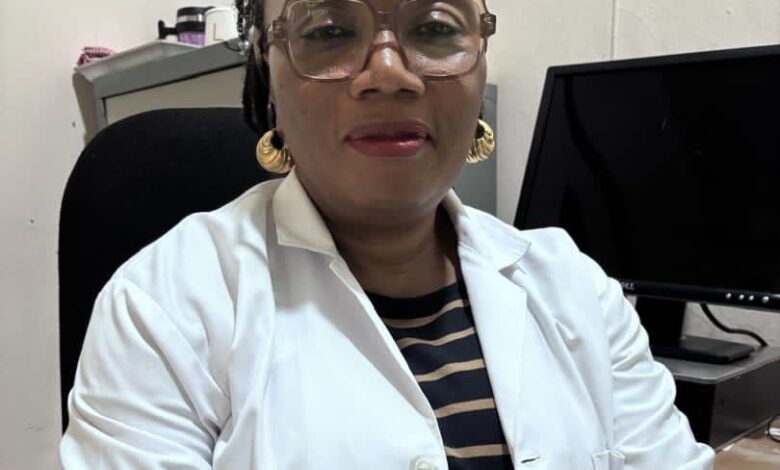

Martha Ochoga is a Professor of Paediatrics who specializes in Neonatology (New Born), with experience spanning over two decades. In this exclusive interview with TheFact Magazine, she bears her mind on what she thinks should be done by the Federal Government to prevent the death of preterm or premature babies in the country.

Q. Can we meet you ma?
R. My Name is Martha Ochoga. I am a Professor of Pediatrics with interest in Neonatology (i.e new born or new delivery). I have been practicing as a pediatrician for over 20 years now. Currently, I am a lecturer with the Federal University of Health Sciences in Otukpo, Benue State. I have over 50 publications in my area of field (Neonatology).
Q. Who is a preterm baby?
R. Any baby that is delivered before 37 completed weeks for gestation from the first day of the mother’s last menstrual period, is termed to be preterm.
Q. What are the causes of premature born?
R. There are several causes of preterm delivery. Fetal and maternal causes. Under the fetal causes, one can have multiple delivery, which increases the risk of having preterm delivery. We have maternal causes too. Some chronic maternal conditions like Hypertension, heart disease can lead to premature delivery. We also have other conditions like placental insufficiency, and other social factors like smoking, alcohol consumption or conditions like an accident can lead to premature delivery.
Q. How many cases of premature newborns do you have in your institution in a month?
R. In our facility, you know it varies. Sometimes we have 8 cases in a month, and in the other month we may not have any cases, so it varies.
Q. What do you think can be done to prevent preterm delivery?
R. When we are talking about prevention of preterm delivery, we have prenatal care. Under prenatal care, like regular prenatal checkups. When the woman is coming for regular antenatal care, you can identify the risk factors that she has, and when these risk factors are identified, then you allow for early intervention. For instance, a woman with hypertension in pregnancy, you can intervene, there are things that you can do. There is what we call risk factor identification. You identify women who have higher risks of preterm delivery such as those who have a history of preterm birth or cervical insufficiency. We have women that maybe due to factors like repeated abortion or termination of pregnancy, leads to weakness of their cervix, and so may have cervical insufficiency. So, if that is identified early enough, you can prevent it. Then also the use of drugs, help to reduce the risk of preterm birth in women, cervical cerclage for women with cervical insufficiency. Then also lifestyle modification, encouraging healthy lifestyle habits like I mentioned alcohol consumption, smoking, balanced diet, regular exercise, and stress reduction. These are some of the ways to prevent preterm delivery.
Q. Why is the care for preterm that expensive?
R. Well, the management of preterm babies is expensive because, number one, you need a neonatal intensive care unit, and the setup is quite costly. You need neonatal trained nurses, you need equipment such as ventilators, incubators, CPAP Machines, and Monitors, other machines. You also need equipment for mechanical ventilation, oxygen therapy, etc. Then bear it in mind that we are in a sub-Saharan Africa where the cost of care is quite expensive, and not available, so very few clients can afford it. Another thing is that the management could be long term. Some could spend up to 90 days in an intensive care unit. They could easily develop complications, so you need other Doctors like ENT, ophthalmologists, so it is expensive for individuals, so that is where the role of government comes in. The more premature the baby is, the higher the mortality rate. The mortality rate for extreme preterm is very high.
Q. In your own view do you think subsidizing the cost of care will make people seek more care?
R. Yes, it will be better if the Federal Government subsidizes the cost. In fact, let’s start from the mothers. For instance, If they make the antenatal care free for all women, the risk factors will be detected early and handled.
Q. What is your advice to Preterm Mothers as a Doctor?
R. As a doctor, I always advise that the best place for them is the hospital, because these groups of babies are special, and they need expert care. The traditional birth attendants may not have the expertise to manage that kind of condition. They are not well trained in neonatal resuscitation, and respiratory support to handle such delicate babies.