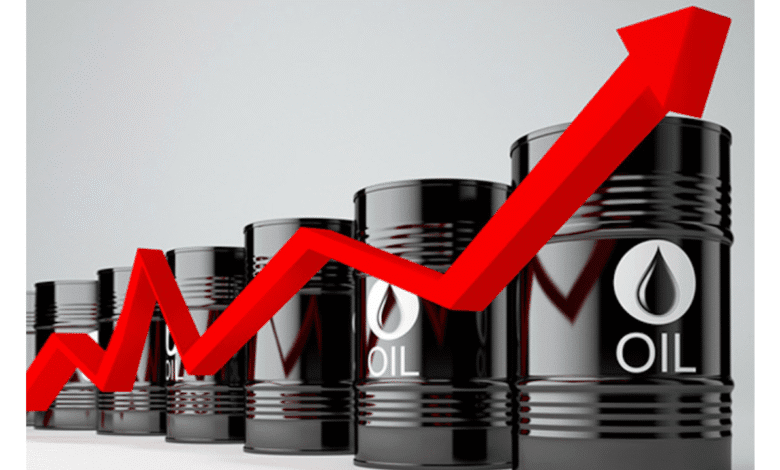


Oil prices rose almost 4% on Wednesday, with the Brent contract hitting a one-month high, after a media report said that the U.S. would extend its blockade of Iranian ports, likely prolonging Middle East supply disruptions.
Brent crude futures for June rose $4.24, or 3.81%, to $115.50 a barrel by 1255 GMT, climbing for an eighth day to the highest level since March 31. The June contract expires on Thursday and the more active July contract was up 3.86% at $108.43.
U.S. West Texas Intermediate (WTI) futures for June rose $4.03, or 4.03%, to $103.96 a barrel, the highest since April 13. The contract has risen on seven of the past eight days.
U.S. President Donald Trump has instructed aides to prepare for an extended blockade of Iran, the Wall Street Journal reported late on Tuesday, citing U.S. officials.
Trump will opt to continue to squeeze Iran’s economy and oil exports by preventing shipping to and from its ports, the report said. On Wednesday, Trump urged Iran to “get smart soon” and sign a deal to end the conflict.
“If Trump is prepared to extend the blockade, supply disruptions would worsen further and continue to push oil prices higher,” said Haitong Futures analyst Yang An.
Abu Dhabi National Oil Company has notified some customers that they could load two crude grades outside of the Gulf next month because the Strait of Hormuz remains closed, according to two people with knowledge of the matter and a notice seen by Reuters.
The market was also awaiting U.S. Energy Information Administration data on stockpiles. The American Petroleum Institute reported on Tuesday that domestic crude oil inventories fell for a second week.
INVESTORS ASSESS UAE LEAVING OPEC
Investors were also assessing ramifications of the United Arab Emirates’ surprise decision to quit OPEC, though analysts did not expect any major near-term impact on the market.
“Producers in the region will continue to bring whatever they can to market, and production limits are not, in practice, constraining output currently,” said Investec head of commodities Callum Macpherson.
“Looking further ahead, it is well known that there has been tension over the UAE’s production limits, and the possibility of leaving OPEC+ has been there for some time. In that sense, the move is not surprising, but the timing is notable given the wider backdrop in the region.” (Reuters)