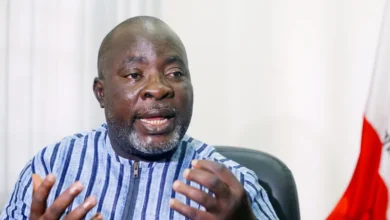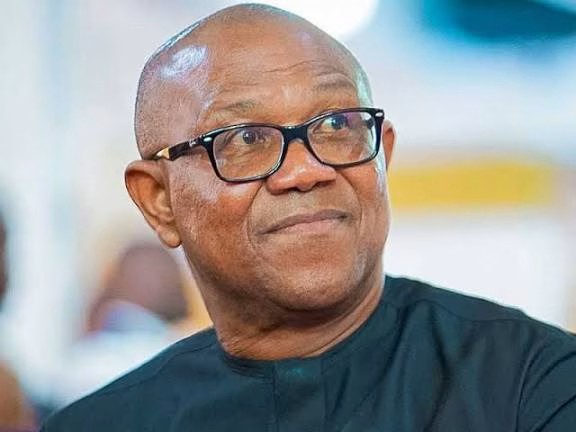


The Presidency has faulted a recent interview by the 2027 presidential candidate of Nigeria Democratic Congress (NDC), Peter Obi, describing his remarks as lacking in depth of thought, understanding of governance, and substance.
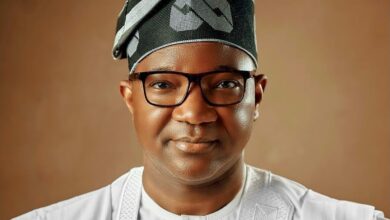
In a statement posted on his X handle on Monday, the Senior Special Assistant to the President on Public Engagement, Fredrick Nwabufo, said Obi’s claim that he would unite Nigeria remain unsubstantiated, noting that he had failed to explain how, “beyond the tired refrain of his cooks and ADC being northerners.”
He added that the utterances and actions of Obi and his followers had, if anything, deepened rather than healed the country’s divisions.
According to the statement, the mechanics of national cohesion rest on inclusive governance, economic integration, and equitable citizenship, arguing that unity cannot be discussed in isolation from leadership and the material benefits of governance.
It said strengthening national unity requires that public resources reach all citizens regardless of faith, ethnicity, or social standing, and that government be fair and just to all.
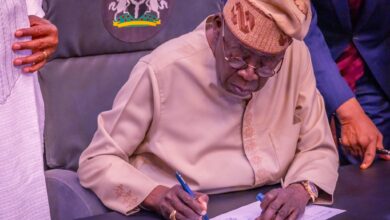
The Presidency credited President Bola Tinubu’s administration with a sterling records this front, saying the six geopolitical zones had been equal beneficiaries of its programmes and projects.
It also pointed to the appointment of young professionals from diverse backgrounds into government as evidence of inclusive governance, describing as unpreceded the country’s history.
On the composition of the service chiefs, the statement said the President had resolved what was once a recurring source of controversy by balance competence and patriotism his appointments.
It further described Tinubu’s public conduct as nationalist and unifying, saying he had avoided divisive rhetoric while working to “stich the national fabric.”
Responding to Obi’s comments on the impact of the Renewed Hope Agenda, the Presidency said he needed to move beyond what it called the “high of his rabid movement,” insisting that the effects of the administration policies were visible across villages, towns, and cities in all six geopolitical zones.
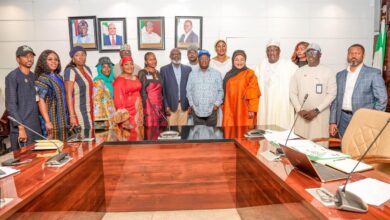
It said the Presidential Communication Team had been touring the zones to assess conditions and relay feedback to government.
The statement cited programmes such as NELFUND and SMEDAN as example of interventions reaching Nigerians, “at the critical cellular level,” pointing specifically to support for small traders in Agulu, Anambra State, and access to university funding for students in Mopa Muro. it described this as tangible evidence of the Renewed Hope Agenda in action.