

The Federal Government has welcomed the International Monetary Fund’s (IMF) 2026 Article IV Mission Concluding statement on Nigeria, describing the report as independent validation that its economic reforms programme is on the right track.
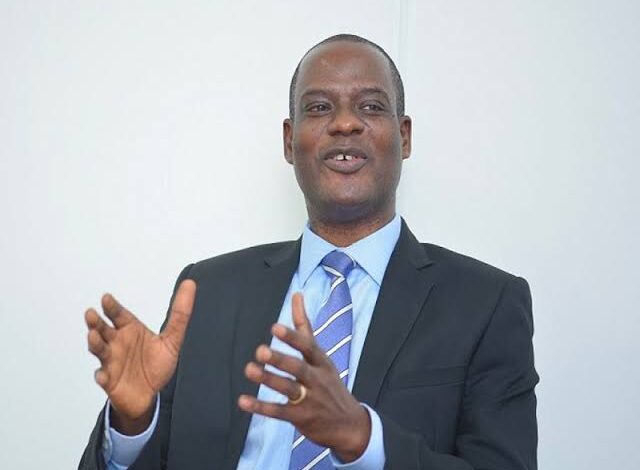
In a statement issued on Tuesday by the Minister of Finance and Coordinating Minister of the Economy, Taiwo Oyedele, the governemnt said the IMF’s assessement confirms that reforms undertaken under the President Bola Tinubu are strengthening macroeconomic stability and laying the foundation for sustainable and inclusive growth.
The global body highlighted specific improvements in foreign exchange market functioning, stronger external buffers, banking sector resilience, and growing fiscla discipline.
The Fund also acknowledged that the government’s decisions to end fuel subsidies, eliminate deficit monetisation, and liberalise the foreign exchange market have significantly reduced economic vulnerabilities and rebilt investor confidence.
Despite turbulence in the global economy, including rising energy prices, food costs, and tighter financial conditions, linked to the recent Middle East conflict, the government noted that Nigeria has demonstrated resilience, with the parallel market foreign exchange premium remaining below five percent and soverign spreads staying broadly stable.
The IMF projects Nigeria’s economy will continue to grow above 4% in the midium term, with improving external reserves, rising investment, and strengthening fiscal revenues. Public debt has already declined relative to GDP, a trend that complements recent sovereign credit rating upgrades from leading international rating agencies.
The government acknowledged, however, that poverty and food insecurity reamin significant challenges, even as per capita income grew by nearly 10% in 2025. It said the macroeconmic stability alone is insufficient and pledged to strengthen social protection programmes, expand agricultural investments, and deepen initiatives in heathcare, education financing, and consumer credit to ensure growth translates into improved living standards for ordinary Nigerians.
On fiscal governace, the government said it is taking steps to improve budget transparency, strengthen fiscal data integrity, and deepen public fiancial management reforms in line with IMF recommendations.