114 Nigerians Electrocuted, 83 Injured In 2025 As Power Sector Safety Crisis Deepens
By Sunday Etuka


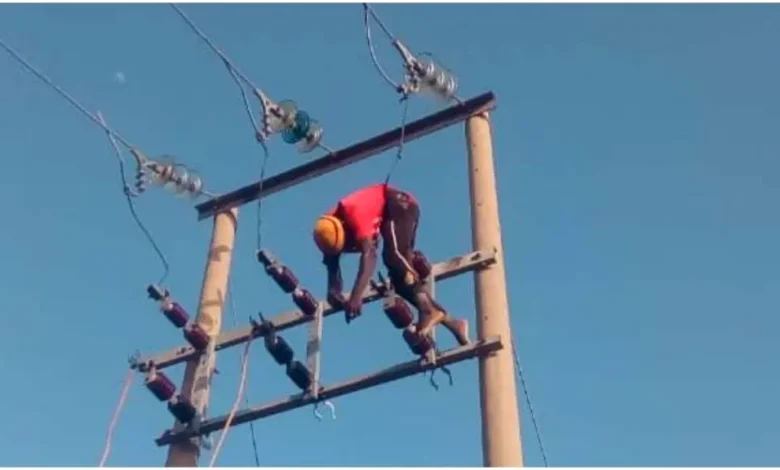
At least 114 Nigerians lost their lives to electrical accidents in 2025, while another 83 sustained injuries, according to the quarterly reports of the Nigerian Electricity Regulatory Commission (NERC), a figure that industry analysts warn represents only a fraction of the actual toll.
The NERC data, drawn from reports filed by the electricity Distribution Companies (DisCos) shows a grim pattern across all four quarters of the year. In the first quarter, 17 people were killed and 14 injured. The second quarter recorded the highest fatalities, with 38 deaths and 19 injuries. The third quarter saw 33 killed and 33 injured, while the fourth quarter recorded 26 deaths and 17 injuries.
The figures, however, are not without controversy. The Nigerian Electricity Management Services Agency (NEMSA), an agency mandated to investigate electrical accidents under the Electricity Act 2023, recorded a different count for Q4 alone, putting deaths at 19 and injuries 10, compared to NERC’s figures of 26 deaths and 17 injuries for the same period. The conflicting data has raised questions about the reliability of reporting across the sector.
Under session 176(p) of the Electricity Act 2023, NEMSA is empowered to investigate all electrical accidents and electrocution connected to the generation, transmission and distribution, supply, or use of electricity, with a view to identifying causes and enforcing remedial measures. Section 184(9) of the same Act further requires all utility companies to notify NEMSA in writing within 48 hours of any electrical accident, electrocution, or electrical fire.
NEMSA has identified the leading causes of electrical accidents as conductor snapping, faulty equipment, negligence, lack of safety precautions, defective house wiring, and vandalism.
Despite these official figures, power sector analysts say the true scale of the accidents is being deliberately concealed. The Chief Executive Officer of Sage Consulting and Communication and veteran power sector analyst, Barr. Bode Fadipe, alleged that DisCos routinely suppress or under-report accident data to avoid regulatory sanctions and financial liability.
“Whatever the DisCos have reported to NERC, you can be sure they are likely to have about ten times more,” Fadipe said. There is a lot of suppression of injury reports from the DisCos.”
Fadipe explained that the motive is largely financial and reputational: NERC imposes heavy sanctions on Discos found culpable in accident investigations, while victims’ families are often quietly compensated behind closed doors to prevent cases from becoming public.
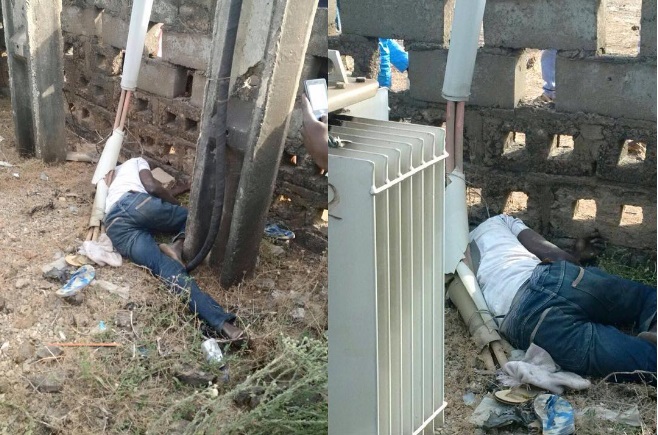
He recounted several harrowing incidents he witnessed during his time at the Abuja Electricity Distribution Company (AEDC), including the death of a child who wanted to get a ball from a ring main unit at Wuse, the electrocution of a pregnant woman and her son in Kuje after they stepped on “naked wire” and the death of a husband and wife in separate incidents involving a fallen high-tension line.
“People just do anything the way they want- no regard for laws, no regard for integrity, no regard for human life,” Fadipe said, adding that the problem reflects broader ethical decay in Nigerian society.
NERC said it has launched investigations into all reported incidents and is working with sector stakeholders to improve health and safety standards across the Nigerian Electricity Supply Industry (NESI). However, the persistent year-on-year toll underscores the gap between regulatory intent and ground-level compliance.
NEMSA has recommended that DisCos introduce stiffer penalty for safety regulation violations, implement reward systems for safety compliant personnel, enforce right-of-way regulations along power lines, and train maintenance officers on Lock-Out/Tag-Out (LOTO) procedures to prevent accidental power restoration while staff are working on live equipment.
The agency also reiterated that all DisCos must comply with the statutory 48-hour accident reporting requirement to enable timely investigation and the enforcement of preventive measures.