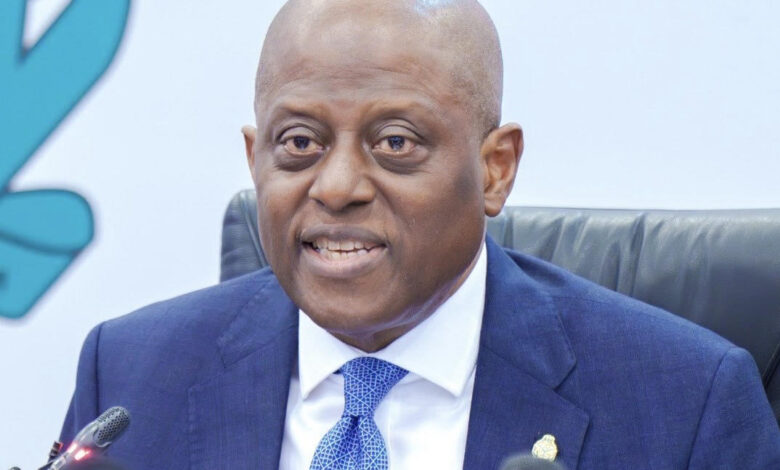


Nigeria recorded $947 million in remittance inflows through International Money Transfer Operators (IMTOs) in July 2026, the highest monthly figure ever recorded through formal channels and a sign the country is closing in on the $1 billion monthly target set by Central Bank of Nigeria (CBN) Governor Olayemi Cardoso.
The July figure helped push IMTO inflows to $3.8 billion for the first seven months of 2026, a 50.2 percent increase over the same period in 2025, reflecting a marked strengthening of remittance flows through formal channels.
The CBN, in a statement on Sunday, attributed the growth to a series of reforms aimed at making formal channels more competitive, transparent and accessible.
These include a shift toward a more market-determined exchange rate, an overhaul of the regulatory framework governing IMTOs, the introduction of the Non-Resident Bank Verification Number (NRBVN), and closer engagement with IMTOs, banks and Nigerian diaspora communities.
The apex bank has also recently tightened requirements mandating that remittance transactions be routed through designated settlement accounts with authorised dealer banks.
Beyond the headline numbers, officials say the rise in formal diaspora inflows carries broader significance, improving foreign exchange liquidity and transparency, supporting households and investment, and strengthening the country’s external financing position.
“When we set a clear ambition to reach US$1 billion a month in remittance inflows through formal channels nearly two years ago, some people thought we were dreaming. At US$947 million in July, we are now approaching that milestone,” Cardoso said.
The CBN noted that while monthly figures will fluctuate, its focus remains on the overall trajectory and sustaining the shift toward formal channels, with plans to deepen engagement with diaspora communities and financial sector partners across major remittance corridors, including through the Bank’s ongoing international engagements in key global financial centres.
Cardoso added that July’s figure was an important milestone but not the end goal.
“Our focus is not on a single month. It is on creating the conditions for sustained growth in formal remittances. We expect to keep seeing improvement and believe Nigeria can reach and ultimately sustain monthly inflows above US$1 billion,” he said.