FG Targets 200 Pharmaceutical Firms, Intensifies Local Drug Manufacturing
By Alice Etuka, Abuja


The Federal Government has stepped up efforts to boost local pharmaceutical production, targeting support for more than 200 drug manufacturing companies as part of measures to reduce dependence on imported medicines and improve access to affordable healthcare.

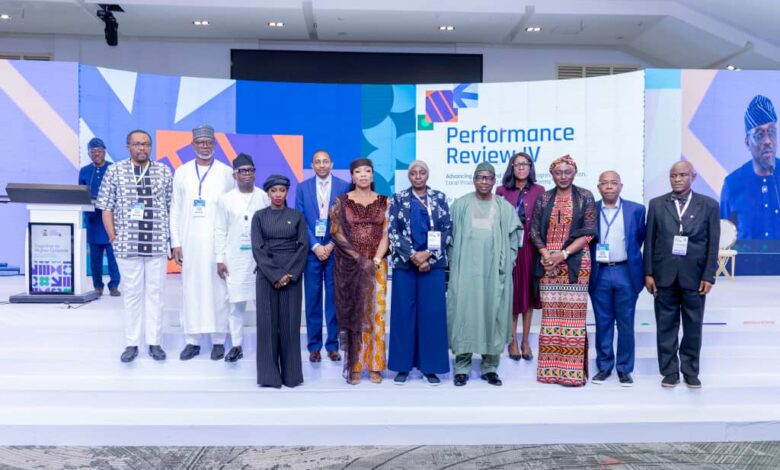
The National Coordinator of the Presidential Initiative for the Development of the Pharmaceutical Industry (PVAC), Dr. Mukhtar Abdul, disclosed this at the 2026 Joint Annual Review, where he highlighted ongoing investments in pharmaceutical manufacturing, innovative financing and industrial expansion.
Abdul said the government had introduced the Bridge to Scale financing mechanism, a donor-supported intervention designed to lower borrowing costs and improve access to affordable funding for pharmaceutical manufacturers and other businesses across the healthcare value chain.
He noted that Nigeria’s pharmaceutical manufacturing model was attracting interest from other African countries seeking to establish similar initiatives.
According to him, the initiative is also facilitating cross-border investments and partnerships to support the establishment of pharmaceutical manufacturing facilities in other African countries, with the involvement of Nigerian manufacturers and regulatory institutions.
Among the achievements recorded are the commencement of local production of long-lasting insecticide-treated nets, establishment of diagnostic product packaging and manufacturing facilities, expansion of medical oxygen production capacity and investments in advanced pharmaceutical manufacturing.
The PVAC coordinator also disclosed that a major pharmaceutical company was preparing to establish an active pharmaceutical ingredient (API) manufacturing plant, expected to commence operations in the first quarter of 2027.
He described the proposed facility as a significant milestone for pharmaceutical manufacturing in Africa, given the importance of local API production in reducing dependence on imported raw materials.
Abdul further said the initiative was exploring additional financing opportunities for small and medium-sized enterprises through the proposed Life Care Fund.
He added that collaboration with regulators and industry partners would support Nigeria’s ambition to attain higher World Health Organisation regulatory maturity status and advance local vaccine manufacturing.
Meanwhile, the Director-General of the National Agency for Food and Drug Administration and Control (NAFDAC), Prof. Mojisola Adeyeye, said the agency had intensified its crackdown on counterfeit, substandard and falsified medicines and other regulated products.
Adeyeye, represented by Mr. Salihu Bello, disclosed that NAFDAC conducted 5,532 enforcement activities during the period under review, including 213 raids, 211 sanctions and 52 arrests.
She said the agency also seized 821 products, shut down 179 premises and destroyed counterfeit and expired products worth N22.73bn through 22 destruction exercises.
On regulatory achievements, NAFDAC highlighted Nigeria’s attainment of full membership of the International Council for Harmonisation of Technical Requirements for Pharmaceuticals for Human Use, making the country its 24th member.
Nigeria also became the 31st African Union member state to ratify and deposit its instrument of ratification for the African Medicines Agency agreement, strengthening its role in continental pharmaceutical regulation.
Looking ahead, the agency identified the attainment of WHO Maturity Level 4 and WHO Listed Authority status, stronger enforcement, expanded digital product traceability and improved stakeholder engagement as key priorities for 2027.
The Federal Ministry of Health and Social Welfare said sustained collaboration among government agencies, pharmaceutical manufacturers, development partners and other stakeholders remained critical to building a resilient pharmaceutical industry.
It added that the government’s interventions were aimed at ensuring Nigerians had access to safe, effective, quality and affordable medicines and medical products.