

The World Health Organisation (WHO) has called for wider treatment access for the 26.3 million people living with HIV in Africa even as 21.7 million were currently receiving antiretroviral therapy.

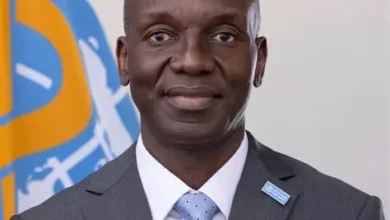
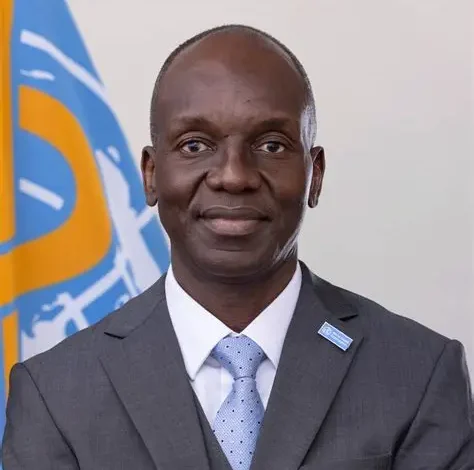
WHO Regional Director for Africa, Dr. Mohamed Janabi, disclosed this in his message to commemorate the 2026 World AIDS Day, marked annually on December 1.
Janabi said although the African Region had recorded significant progress in combating HIV, including a decline in new infections in many countries, millions of people were still facing barriers to accessing prevention, testing and treatment services.
He noted that the expansion of antiretroviral therapy had saved millions of lives, adding that sustained efforts were required to ensure equitable access to lifesaving HIV services across the continent.
This year’s World AIDS Day theme, “Ending AIDS Starts With Access,” highlights the importance of making scientific breakthroughs and available healthcare services accessible to everyone, regardless of their location or circumstances.
According to him, access to prevention services empowers individuals to protect themselves and their loved ones, while testing enables people to know their HIV status and seek timely medical attention.
He added that access to treatment allows people living with HIV to lead long, healthy and productive lives, stressing that individuals must also be able to seek care without stigma or discrimination.
The WHO Regional Director, however, identified distance, transportation costs, medication stock-outs, stigma, punitive laws and gender inequalities as some of the major barriers preventing people from accessing HIV services.
He warned that such challenges could result in undetected infections, delayed treatment and missed opportunities to prevent further transmission of the virus.
Janabi said countries across the African Region were expanding differentiated service delivery, integrating HIV services into primary healthcare, strengthening community health systems and preparing to introduce new prevention tools.
He called on governments to sustain investments in HIV prevention, testing, treatment and care as the world moves towards the 2030 target of ending AIDS as a public health threat.
He also urged development partners to support countries in making emerging HIV prevention technologies affordable and widely available, particularly in underserved communities.
Janabi further emphasised the importance of involving people living with HIV in decisions concerning healthcare delivery, noting that their experiences should continue to guide policies and programmes.
He said achieving the global target would require collective commitment to ensuring that everyone could access the services and medicines needed to prevent and manage HIV.
“Every person who can protect their health, get a diagnosis in time or return home with the medicines they need, brings us closer to ending AIDS as a public health threat,” he said.