
Nigeria Records 13,000 Obstetric Fistula Cases Annually – Health Minister
By Alice Etuka, Abuja


The Minister of Health and Social Welfare, Professor Muhammad Pate has said that the country records approximately 13,000 new cases of Obstetric Fistula, adding that it could take up to 83 years to address the backlog of unrepaired cases.
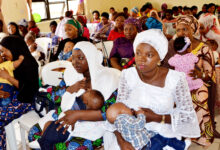
Pate disclosed this on Thursday, June 26, 2024 at the “NHIA Fistula Free Program Flag-off and Inaugural Meeting”, held in Abuja.
The Minister who applauded the Executive Director of the National Health Insurance Authority (NHIA), Dr. Kelechi Ohiri for the initiative, stated that the program was marking a pivotal step in their commitment to tackling the severe healthcare challenge posed by obstetric fistula in Nigeria.
Speaking further, he informed that
Obstetric fistula affects approximately 100,000 women nationwide and results from prolonged and obstructed labor without timely medical intervention leading to unpleasant outcomes.
He explained that the condition causes chronic incontinence and severe social and economic consequences, particularly for young, malnourished women from poor households.
“Each year, about 13,000 new cases arise, and without intervention, it could take up to 83 years to address the backlog of unrepaired cases.
“Globally, obstetric fistula affects roughly 2 million women, with about 1 million cases in developing countries. This highlights the urgent need for comprehensive healthcare solutions, and Nigeria’s significant share of this burden underscores the critical importance of targeted interventions and robust healthcare policies.
“In line with President Bola Tinubu’s Administration’s prioritisation of reproductive and maternal health, we are committed to ensuring no one is left behind.
“This commitment aligns with our broader goal of building an inclusive health system that reduces maternal morbidity and mortality and addresses the needs of the most vulnerable populations.
“The Fistula Free Program is a testament to this commitment, aiming to enhance financial access to care for women suffering from obstetric fistula”, he said.
According to Pate, the initial phase of the program targets four states with the plan to expand its coverage. He further disclosed that the aim of the program was to reduce financial and physical pain on the patients.
“The initial phase targets National Obstetric Fistula Centers in Katsina, Bauchi, Ebonyi, and Edo States, with plans to expand to other hospitals. It covers conservative and surgical treatments, transportation, education, counseling, mental health support, and family planning. A key component is enrolling these women in social health insurance programs to ensure the sustainability of care.
“The Program is closely tied to the National Health Sector Reform Initiative (NHSRII) and other key government initiatives aimed at making treatment affordable and accessible.
“Importantly, the program’s focus on reducing physical and financial pain and saving lives for affected families aligns with the overarching goals of the NHSRII. By prioritizing financial access to care and integrating services into the social health insurance system, the program aims to create a sustainable and inclusive healthcare solution.
“The MoU we signed is critical to formalize the collaborative effort between the NHIA, National Obstetric Fistula Centers, and selected HMOs to ensure a coordinated and effective approach to addressing obstetric fistula across Nigeria. It outlines the roles and responsibilities of each party and sets a framework for the committee’s tasks”, he said.