Datametrics Mark 12th Anniversary, Champions Menstrual Hygiene, Girls’ Empowerment


A development-focused private organisation, Datametrics Associates Limited, on Friday marked its 12th anniversary with renewed calls for improved menstrual hygiene awareness and stronger empowerment of the girl-child.
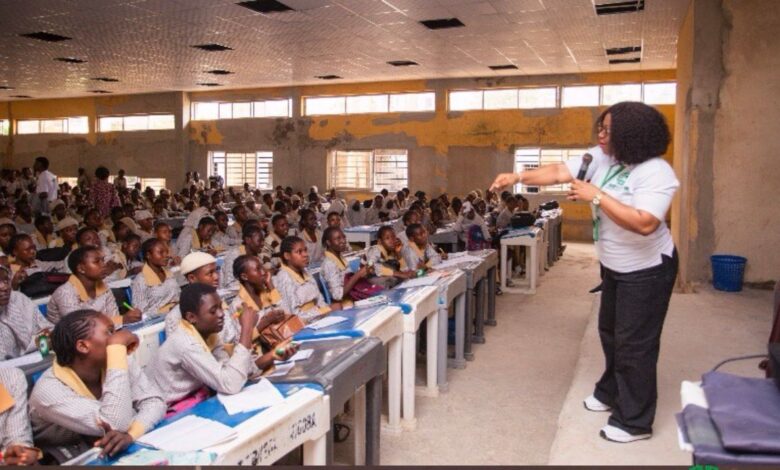
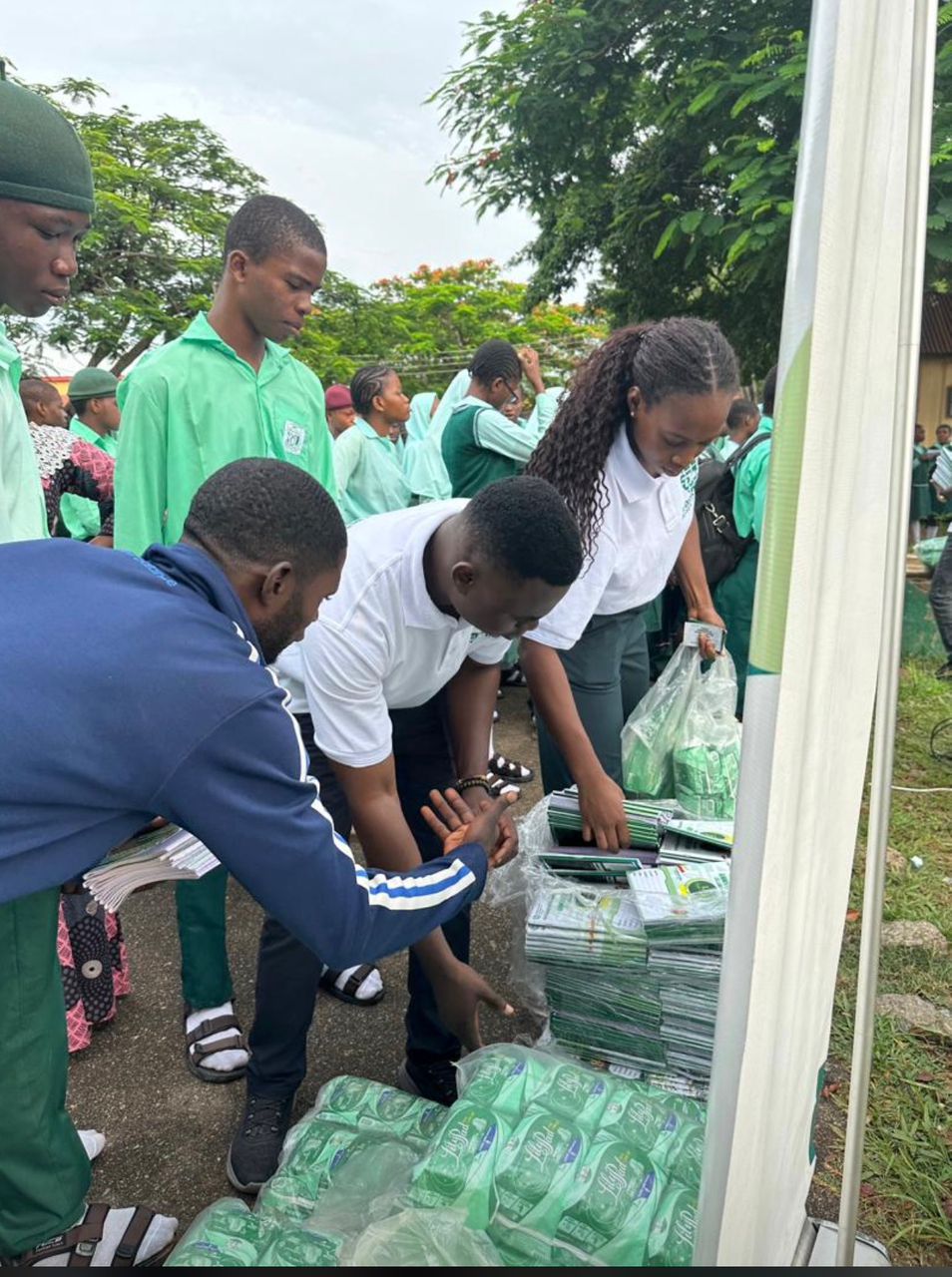
The organisation commemorated the milestone with a series of outreach activities, including a sensitisation session on menstrual hygiene for female students at Government Secondary School (GSS), Gwarinpa, Abuja.
Speaking at the event, Technical Director and Chief Executive Officer of the organisation, Dr. Abiodun Feyikemi-Ipadeola stressed the importance of equipping adolescent girls with accurate information and practical knowledge to manage their menstrual health with dignity and confidence.
“Menstrual hygiene is not just a health issue; it is about dignity, confidence and equal opportunity. No girl should have to miss school because of her period,” she said.
Feyikemi-Ipadeola informed that the organisation deliberately chose to mark its anniversary with community impact activities to draw attention to critical but often overlooked issues affecting girls, including the recent International Menstrual Hygiene Day 2026.
“We are celebrating 12 years of work, but more importantly, we are reflecting on the gaps that still exist. Period poverty is real, and it continues to limit the potential of many young girls, even here in the FCT,” she said.
She emphasised that access to menstrual hygiene products and proper sanitation facilities remained a major barrier for many students.
“It is unacceptable that in this day and age, girls still resort to using unsafe materials because they cannot afford sanitary pads. This is not just a health concern; it is a social justice issue,” she said.
She therefore called for stronger collaboration among the government, the private sector and development partners to address the challenge sustainably.
“We need policies that go beyond paper. Schools must be equipped with functional WASH facilities, and menstrual hygiene products should be accessible and affordable to every girl, regardless of her background,” she said.
According to her, findings show that in Abuja, an estimated 25 per cent of girls experience period poverty, often forcing them to miss school.
She said that to combat this, organisations like theirs and government actors have introduced interventions such as community awareness campaigns, provision of sanitary materials in schools, and policy efforts aimed at ensuring inclusive menstrual hygiene management.
However, infrastructure gaps, she noted remained a major challenge.
“A study on public schools in the Federal Capital Territory (FCT) indicates a severe shortage of sanitation facilities, with about half of schools lacking functional Water, Sanitation and Hygiene (WASH) facilities.
“The disparity is more pronounced when compared to private schools, where all surveyed institutions reportedly have functional WASH facilities.
“Despite increased awareness, access to sanitary products remains uneven. While many students rely on disposable sanitary pads, about 15.5 per cent still resort to unhygienic alternatives such as old clothes, tissue paper or newspapers due to cost constraints”, he said.
She warned that such practices increase the risk of infections and other reproductive health complications.
The Chief Executive Officer further noted that inadequate facilities, combined with menstrual pain, fear of staining and stigma, continue to drive absenteeism among schoolgirls, undermining their academic performance and long-term opportunities.
Some of the students said the engagement helped to address misconceptions and boosted their confidence in managing their menstrual health.
“I used to feel shy talking about my period, but today I learned it is normal and nothing to be ashamed of,” Ms Mariam Ahmed, said.
Ms Hannatu Amos, another student said the session provided useful guidance on hygiene practices and how to seek support when needed.
Education stakeholders at the school commended the initiative, describing it as timely and impactful in promoting girls’ health and school attendance.
They called for sustained partnerships between government, schools and non-governmental organisations to scale such interventions across the country.
As part of the anniversary activities, the organisation also delivered a motivational talk on “The Power of Vision and Purpose for Young Girls,” encouraging students to set goals and pursue their aspirations despite challenges.
Reflecting on its 12 years of operations, Feyikemi-Ipadeola said the organisation would continue to prioritise data-driven solutions to social challenges.
“Our work is rooted in evidence. We believe that with the right data, policies and partnerships, we can create lasting change and improve outcomes for vulnerable populations,” she said.
Stakeholders emphasised that addressing menstrual hygiene challenges was critical to improving school attendance, protecting girls’ health and advancing gender equality in Nigeria. (NAN)