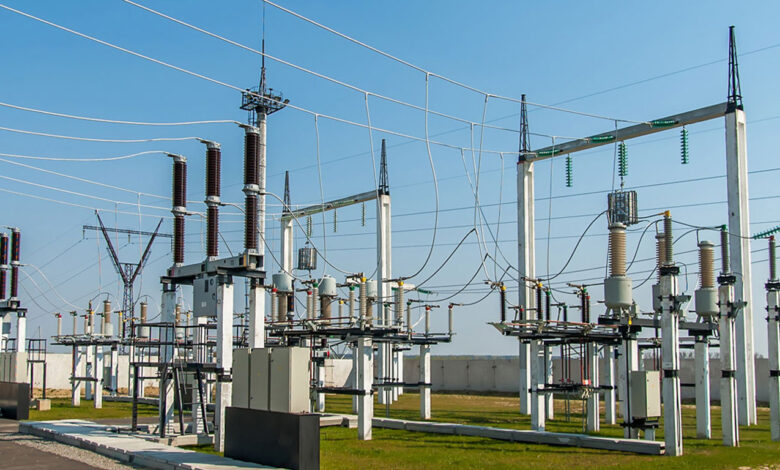


Nigeria’s electricity industry went through the second quarter of 2026 without a single grid collapse, according to the latest report from the Nigerian Electricity Regulatory Commission (NERC).
The report states that no system disturbance occurred on the national grid between April and June 2026.
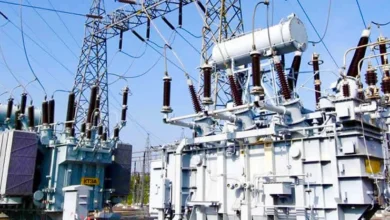
The national grid is a large network of transmission lines linking power stations to customers across the country.
It is built to operate within set stability limits, including a voltage of 330kV give or take 5.0 percent and a frequency of 50Hz give or take 0.5 percent.
Operating outside these ranges can reduce power quality and, in serious cases, cause outages that range from the failure of one section of the grid to a total blackout.
The Nigerian Independent System Operator (NISO) monitors all grid parameters, but frequency is the main indicator watched to prevent disturbances. Frequency falls when demand outstrips supply and rises when supply exceeds demand.
When frequency drifts outside the normal range, especially on the low side, safety settings can trip generation units offline. That can deepen the imbalance and set off a chain of shutdowns, leading to a partial or full collapse.
On Wednesday, September 30, 2026, the Federal Government began work on a modern National Control Centre (NCC) for NISO in Osogbo, Osun State, aimed at making the grid more reliable. The existing facility has served for 64 years and is widely seen as outdated and unable to meet the demands of running today’s grid.
The NCC is the nerve centre of the country’s electricity system, where operators track generation, transmission and demand as they happen and act to keep the network balanced.
A failure of the grid affects far more than household lighting. Factories stop production, small businesses lose income, hospitals struggle to deliver essential services and schools are disrupted.
Grid collapse has long been one of the most persistent and costly problems in the sector. The national grid has suffered repeated total and partial failures over the years, and the problem became especially visible recently.
Incidents rose sharply in 2024, which saw a string of nationwide blackouts, including a major collapse in October. Each time, the system operator and generation companies had to carry out a slow, delicate restoration that often took many hours before supply returned.
Industry experts blame a mix of factors, including sudden loss of generation, gas supply constraints, transmission line faults, ageing or weak equipment, and poor visibility of the system when trouble starts.
Running a modern, interconnected grid with outdated tools makes it harder to catch problems early and stop a fault from spreading. The new centre is meant to close that gap.
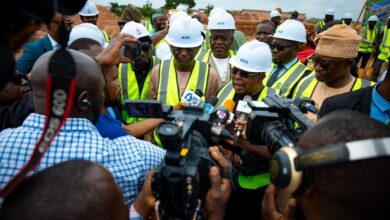
Vice President Kashim Shettima performed the groundbreaking, supported by the Minister of Power, Joseph Tegbe.
Speaking through his representative, the Senior Special Assistant (Legal) in the Office of the Vice President, Shettima said dependable electricity is central to President Bola Ahmed Tinubu’s Renewed Hope Agenda.
He described power as the base of a working economy, helping manufacturers plan production, small businesses operate with confidence, and hospitals and schools’ function, while also creating jobs and wider opportunity.
He added that the National Control Centre is where that reliability is protected, and that Nigeria cannot run a modern, interconnected grid with yesterday’s tools.
Giving an overview of the project, Minister Tegbe said it will let NISO see what is happening across the grid and respond quickly. He called it a concrete sign of the President’s determination to fix the underlying weaknesses in electricity supply.
Once commissioned, the centre will feature integrated SCADA, large displays and analytics tools. These will help operators spot developing faults, plan preventive maintenance and make better use of existing generation and transmission capacity.