


The Nigerian Upstream Petroleum Regulatory Commission (NUPRC) says it is consulting widely with industry stakeholders on the idea of a domestic crude oil and gas swap that would reduce cost and increase availability of products in the country.
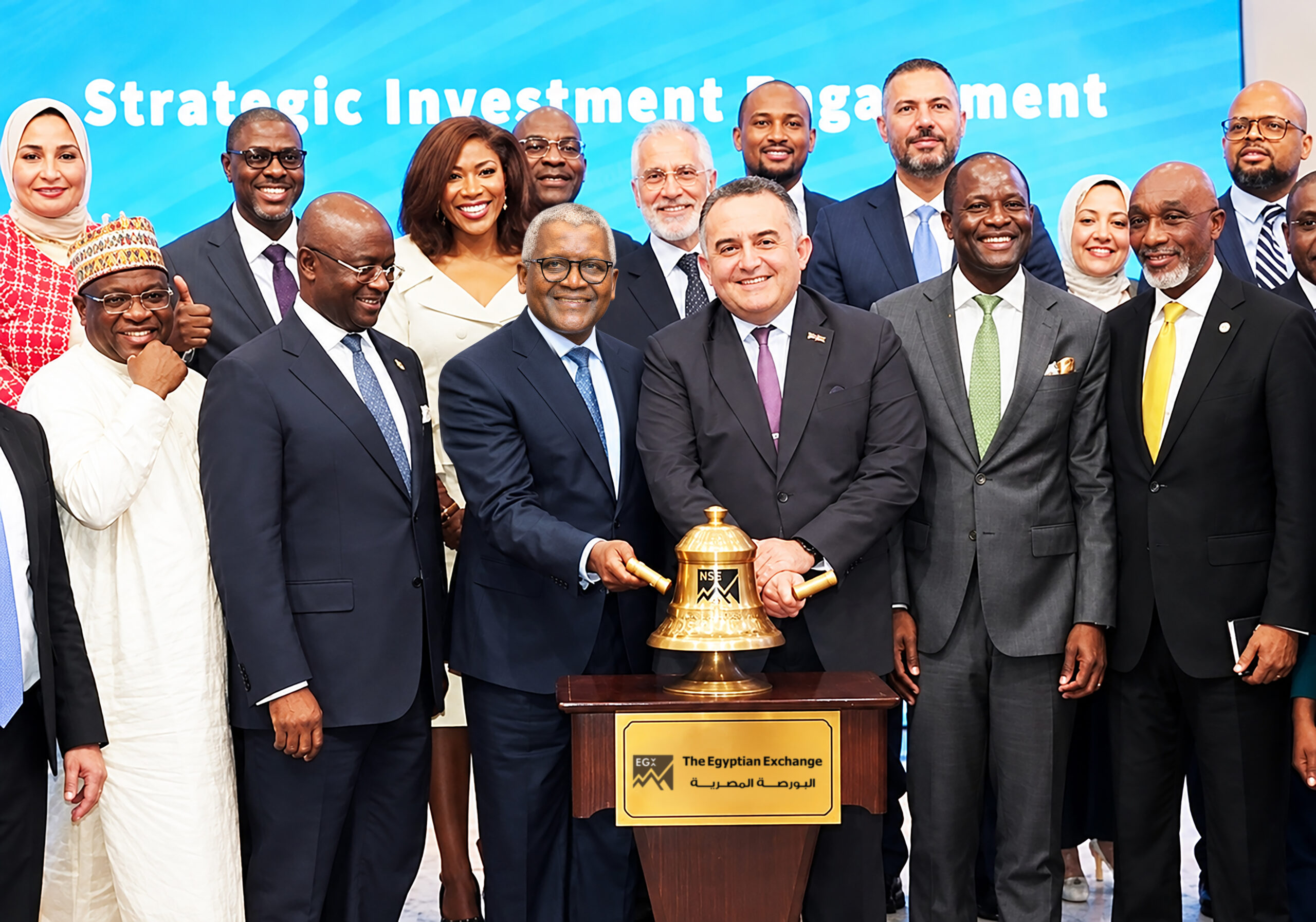
Commission Chief Executive of the NUPRC, Mrs. Oritsemeyiwa Eyesan, disclosed this during a courtesy visit to the Nigerian Midstream and Downstream Regulatory Authority (NMDPRA) in Abuja.
Eyesan noted that once all the modalities are finalised, there would be an improved compliance with the Domestic Crude Supply Obligation (DCSO) and the Domestic Gas Supply Obligation.
This, she said, would also be coordinated along with the Gas Aggregation Company Nigeria Limited (GACN).
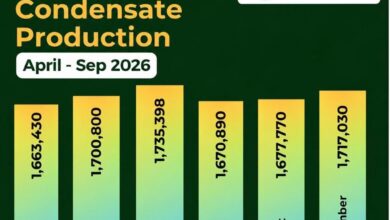
Latest statistics by the Commission showed a massive improvement in domestic crude supply to local refiners. A total of 53.7 million barrels of crude oil were supplied to local refiners between April and June, showing an overall performance of 97.4% for Q2 2026. However, importation of crude oil persists.
Eyesan therefore stated that the Commission was in discussions with stakeholders on the way forward.
She said, “How the swap works is that I have an obligation somewhere and I am close to an export facility. Somebody else has an obligation inland and his own (facility) is close to a domestic offtaker.
“So, instead of trying to move from one end to the other, we just agree on a swap arrangement and there is a mechanism for them netting off.”
The NUPRC boss, in a statement on Saturday by the NUPRC’s Head of Media and Corporate Communications, Eniola Akinkuotu, noted that in the case of crude oil, discussions were still at an early stage.
Eyesan promised to deepen collaboration with the NMDPRA in the overall interest of the sector.
In his remarks, the Authority Chief Executive, NMDPRA, Mallam Rabiu Abdullahi Umar, congratulated the Commission for conducting a seamless and credible 2025 licensing round.
He also lauded the NUPRC for the improvement in the enforcement of the domestic crude supply to local refiners.
Umar said even though the Petroleum Industry Act stipulates that all transactions will be done on a willing buyer, willing seller basis, issues of pricing remain a major factor.
The NMDPRA therefore expressed support for the creation of strategic reserves which will boost energy security and ensure price stability.