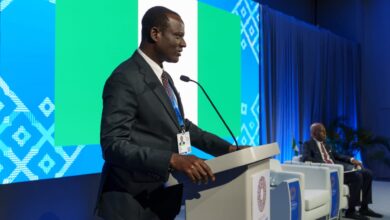


The Minister of Finance and Coordinating Minister of the Economy, Taiwo Oyedele, has pledged to deepen the Federal Government’s engagement with financial journalists to address widespread public misunderstanding of economic policies.
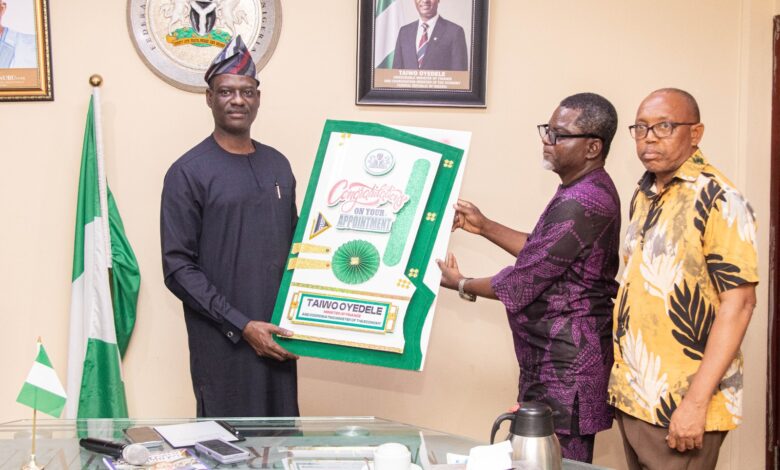
Oyedele made the commitment during a meeting with the executive of the Finance Correspondents Association of Nigeria (FICAN) in Abuja, saying the Ministry of Finance would take the lead in projecting its own narrative rather than leaving that role to the State House or other groups.
“There are a lot of things we are doing, and there are a lot more we will do. We wanted to be the ones who would project it, rather than getting it from the State House or other groups,” he said.
The Minister cited the public’s misunderstanding of Nigeria’s foreign reserves as a typical example of the problem, explaining that reserve funds cannot simply be deployed domestically to ease economic hardship -a misconception he said generates public anger without addressing underlying issues.
Oyedele was clear, however, that the government was not seeking favourable coverage. He urged journalists to remain constructive and balanced, grounding their reporting in verifiable facts rather than social media sentiment, arguing that evidence-based facts criticism was far more likely to prompt corrective government action than vague accusations.
He announced plans for public education initiatives and hinted at further media engagements in the coming weeks as part of a broader government communication strategy.
Responding on behalf of FICAN, the association Chairman, Bassey Udo, welcomed the initiative, describing the media as a vital bridge between the government and the citizens.
He called for closer collaboration between the Ministry and journalists, especially at this time of economic difficulty, and sought the Minister’s support for the association’s quarterly news magazine, “BusinessLine.”
Udo also disclosed that FICAN had invited Oyedele to address its next Annual General Meeting (AGM) on the theme of fiscal policy and Nigeria’s $1trillion economy target.