SPECIAL REPORT: 64 Years After, FG Replaces NCC To Boost Power Grid Reliability
By Sunday Etuka


On Wednesday, September 30, 2026, the Federal Government took a bold and commendable decision to construct a new ultra-modern National Control Centre (NCC) for the Nigerian Independent System Operator (NISO) in Osogbo, Osun State, to strengthen power grid reliability across the country.

For 64 years, the old facility has been used to monitor and stabilise the national grid. It has outlived its usefulness and no longer meets the demands of running the nation’s grid effectively, which makes its replacement necessary.
The NCC is the nerve centre of Nigeria’s electricity system. It is where operators watch generation, transmission and demand in real time and act to keep the system balanced. Because it is so strategic, an efficient grid is non-negotiable for a power sector working to avoid frequent grid collapse.
When the grid fails, the damage goes beyond homes losing light. Factories halt production, small businesses lose income, hospitals struggle to run critical services and schools are disrupted.
Grid collapse has been one of the most persistent and costly problems in Nigeria’s power sector.
Over the years, the national grid has suffered repeated total and partial collapses, with the problem becoming especially visible in recent years.
Reported incidents rose sharply in 2024, when the country recorded a series of nationwide blackouts, including a major collapse in October of that year.
Each episode forced the system operator and generation companies into a slow and delicate restoration process, often lasting many hours, before supply returned to homes and businesses.
Industry experts have pointed to several causes of these failures. They include sudden loss of generation, gas supply constraints, transmission line faults, weak or ageing equipment and limited visibility of the system when disturbances begin.
Operating a modern, interconnected grid with outdated tools makes it harder to detect problems early and respond before a fault spreads. The new control centre is designed to address this gap.
THE CONSTRUCTION OF THE NEW NCC IN OSOGBO
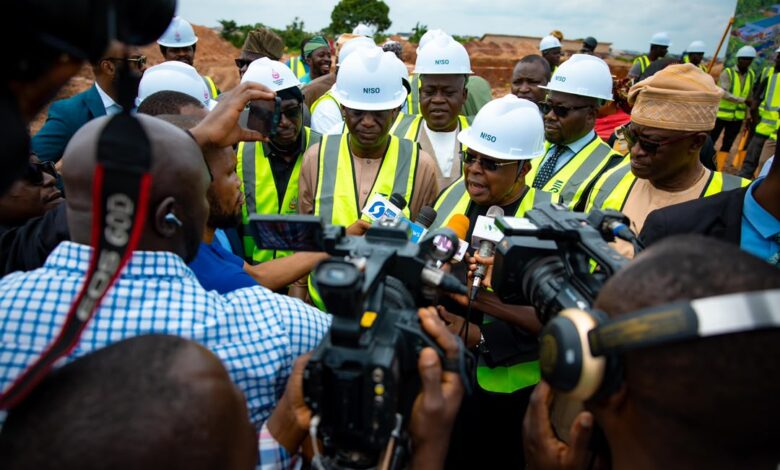
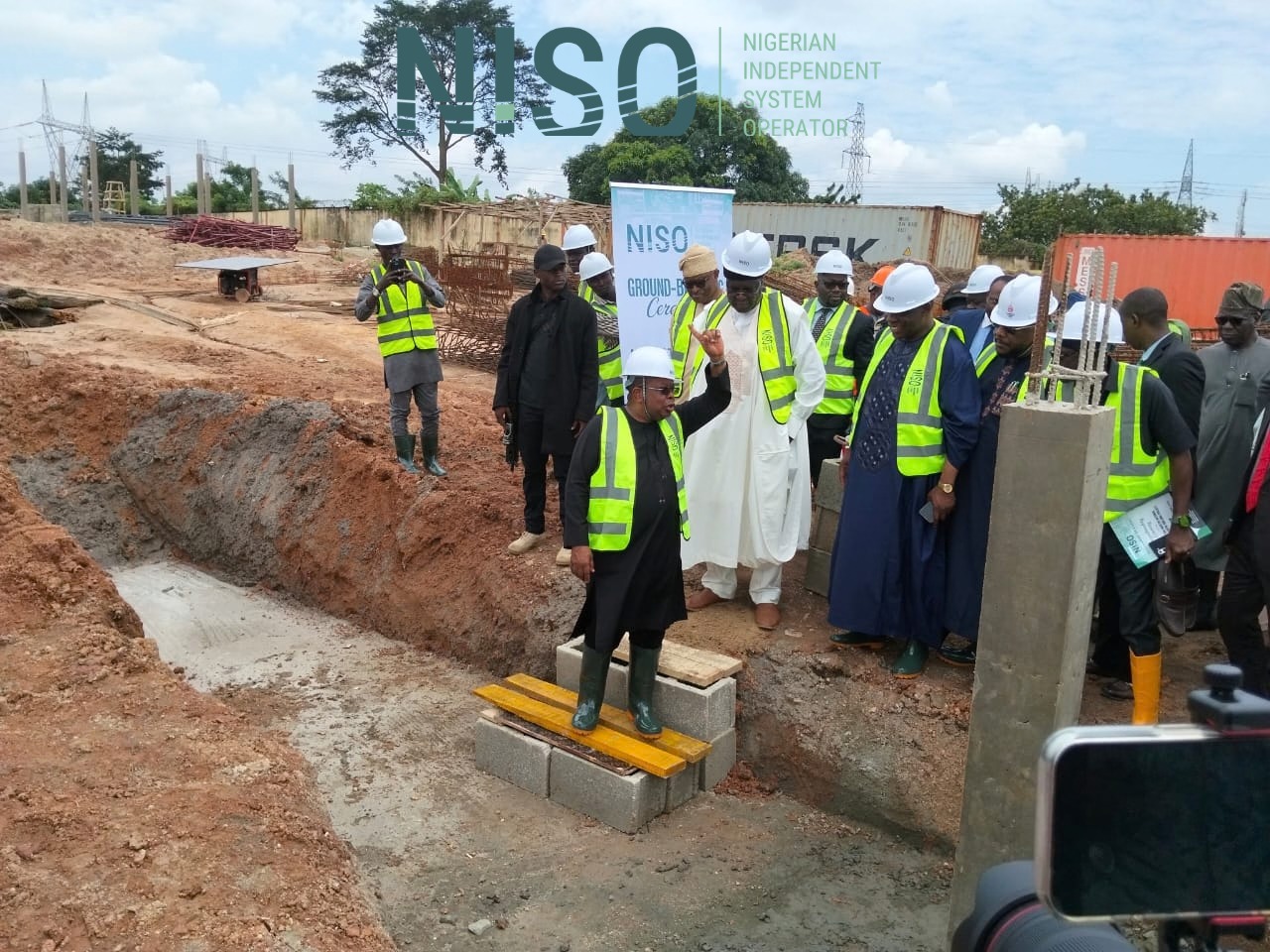
The groundbreaking was performed by Vice President Kashim Shettima, supported by the Honourable Minister of Power, Joseph Tegbe.
Speaking through his representative, the Senior Special Assistant (Legal), Office of the Vice President, Shettima said reliable electricity was central to President Bola Ahmed Tinubu’s Renewed Hope Agenda.
He described power as the foundation of an economy that works, enabling manufacturers to plan production, small businesses to operate with confidence, and hospitals and schools to function, while creating jobs and wider economic opportunity.
The National Control Centre, he said, is where that reliability is protected, and Nigeria cannot run a modern, interconnected grid with the tools of yesterday.
Giving an overview of the project, Minister Tegbe said it will give NISO the ability to see what is happening across the national grid and respond promptly.
He called it a concrete expression of the President’s determination to fix the underlying weaknesses in electricity supply.
Once commissioned, the centre will bring integrated SCADA, large format displays and analytics that help operators spot developing faults, plan preventive maintenance and make better use of existing generation and transmission capacity.
It will also improve responses to disturbances, support the integration of renewable energy and strengthen Nigeria’s coordination within the West African Power Pool, backed by stronger physical and cyber security.
For consumers and businesses, the minister said the expected payoff is fewer avoidable outages and a more dependable supply.
He cautioned, however, that this also depends on adequate gas feedstock, properly maintained transmission equipment and distribution networks that can deliver power to end users.
The centre, he explained, strengthens the coordination that turns those investments into usable electricity.
NISO’s Managing Director and CEO, Engr. Abdu Bello Mohammed, said the centre will improve visibility of the national grid, sharpen coordination and support faster, better informed responses to system disturbances, strengthening the security and resilience of supply.
He said better data from upgraded telemetry, SCADA and automatic metering will mean better decisions, more reliable electricity and improved market settlement.
He added that the new centre will equip NISO to meet the technical demands of the West African power system, and that NISO is building skilled operators to run it to international standards. In his words, “technology does not operate the grid, people do.”
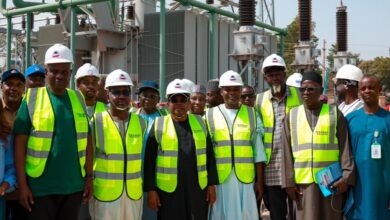
The ceremony, which marks a new era of grid stability, was witnessed by the Board and Management of NISO, members of the National Assembly Committees on Power, leaders of various Distribution Companies, representatives of the Osun State Government, industry stakeholders and community leaders.
THE ROAD AHEAD
The new National Control Centre is a necessary and overdue investment. Its success will depend on timely delivery, sustained funding and the skills of the people who will run it.
Even so, it signals a clear intention to replace guesswork with real time insight and to give Nigerians a grid they can depend on.