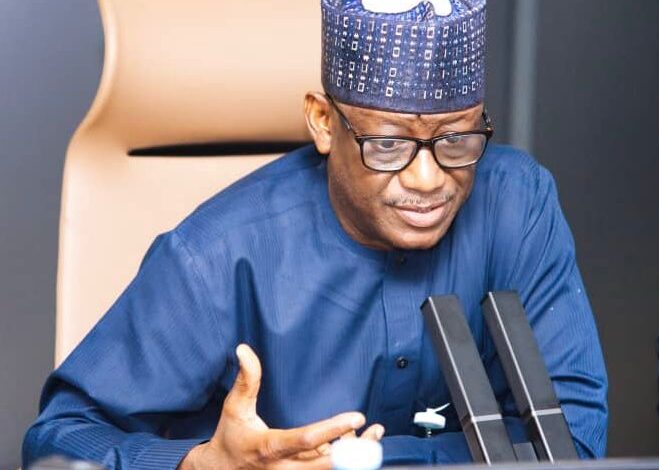


The Nigerian Independent System Operator (NISO) has called for stronger collaboration among power sector stakeholders to address the growing operational challenges threatening the stability of Nigeria’s electricity grid.
Managing Director/Chief Executive Officer of NISO, Engr. Abdu Mohammed made the call while speaking at a two-day workshop themed “Strengthening Grid Stability: A Collaborative Workshop for NESI Stakeholders,” held at the Jebba Power Station and hosted by Mainstream Energy Solutions Limited.
Mohammed said the Nigerian power system was operating under increasingly complex conditions, citing generation and transmission constraints, changing demand patterns, frequency excursions, voltage-security challenges and the growing need to coordinate a more diverse portfolio of energy resources.
According to him, maintaining stability under these circumstances requires continuous vigilance and a holistic approach that combines operational excellence with long-term strategic planning.
Breaking down the causes of instability, the NISO chief explained that frequency excursions can result from a variety of interrelated factors, including sudden generation or load losses, forecasting and scheduling inaccuracies, fault-induced disturbances, inadequate system inertia and the response characteristics of generating units during system events.
He added that the agency’s ongoing compliance monitoring activities have reinforced the importance of adherence to technical performance standards, including Free Governor Control requirements.
Mohammed stressed that no single entity could guarantee grid stability on its own. “Grid stability is a shared responsibility and can only be achieved through coordinated action across all segments of the industry,” he said, adding that solutions would require accurate and timely operational information, adequate frequency and voltage control resources, effective reserve management, strict compliance with the Grid Code, operational discipline and, above all, seamless coordination among stakeholders.
He also linked day-to-day grid operations to Nigeria’s long-term infrastructure ambitions, noting that as the country pursues new generation projects, transmission infrastructure and other greenfield investments across the power sector, system planning becomes increasingly critical to the long-term stability and reliability of grid operations. Integrating these projects successfully, he said, would demand careful assessment of transmission adequacy, system strength, operational flexibility, reserve requirements, reliability criteria and future demand growth.
Urging participants to move beyond problem-identification, Mohammed said the workshop should provide a shared and technically grounded understanding of the most pressing grid-stability challenges confronting the industry, while also establishing practical pathways for addressing them collaboratively.
He reaffirmed NISO’s commitment to deepening collaboration with TCN, GenCos, DisCos, the Nigerian Electricity Regulatory Commission, Policymakers and all other NESI stakeholders, stating that the objective was to support the development and operation of a grid that is stable, resilient, responsive and capable of sustaining Nigeria’s economic growth and development aspirations.
He listed the outcomes expected by the close of the workshop, including a shared, stakeholder-validated understanding of the most significant threats to grid stability, clear and measurable commitments toward improving frequency and voltage control performance, practical coordination protocols for managing disturbances, and an effective mechanism for monitoring agreed actions to ensure deliberations translate into measurable improvements in grid reliability and performance.
Mohammed concluded by urging stakeholders to reinforce the collaboration, accountability and strategic foresight required to safeguard the integrity of Nigeria’s electricity grid both now and in the future, wishing participants fruitful deliberations at the workshop, which brought together representatives of the Federal Ministry of Power, the Nigerian Electricity Regulatory Commission, TCN, GenCos and DisCos.