Presidency To Atiku: Your Plan To Restore Petrol Subsidy Drenched In Hypocrisy
By Sunday Etuka


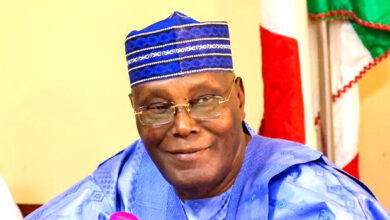
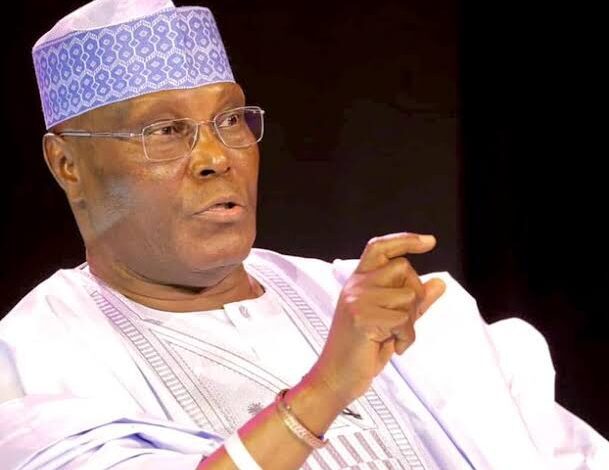
The Presidency has dismissed former Vice President Atiku Abubakar’s pledge to reintroduce fuel subsidy if elected in 2027, describing the promise as a calculated attempt to mislead Nigerians rather than a genuine policy proposal.
Reacting on Thursday, the Special Adviser to the President on Media and Public Communication, Sunday Dare, said the former vice president’s position was “drenched in hypocrisy and deceit,” calling it, an unpardonable manipulation of the public psyche, designed to hoodwink unsuspecting Nigerians into voting for him.
Dare argued that the pledge, if even implemented, would undo economic gains recorded since the subsidy regime was scrapped in 2023, insisting that the ongoing recovery across various sectors of our national life annoys,” the Action Democratic Congress (ADC) candidate.
He added: “By the Grace of God, it will not happen and all good men of conscience must rise up against you.”
The Presidency’s response followed remarks Atiku made in a Wednesday Interview, in which he said he would restore the fuel subsidy if elected president, while accusing the federal government of failing to account for the trillions of naira saved from its removal.
“I did not oppose the removal of the fuel subsidy, but where is the money? Where did it go? He asked in Hausa, adding that funds meant to reduce poverty and support schooling appeared instead to be diverted,” he said. “If elected, I will bring back the fuel subsidy, and whoever stole the money must refund it.”
For decades, successive Nigerian governments fixed and subsidised retail petroleum prices, a policy that placed a growing strain on public finances. In 2022 alone, the government spent more than N4 trillion on subsidy, exceeding combined spending on Education and healthcare that year.
President Bola Tinubu ended the subsidy regime in his inaugural address on May 29, 2023, describing it as unsustainable and pledging to redirect the savings towards infrastructure, education, healthcare and job creation.
The removal triggered immediate hardship for many households, driving up transport costs and the prices of goods and services nationwide, a development critics have repeatedly cited as evidence the transition was poorly cushioned.
Atiku mentioned that the policy could have been defensible had the proceeds been visibly channelled into critical sectors, a claim the presidency has now rejected as part of what it calls a broader pattern of political posturing ahead of the 2027 general election.
Recall that while giving the breakdown of the subsidy proceeds yesterday, at a Press Briefing in Abuja, the Minister of Finance and Coordinating Minister of the Economy, Prof. Taiwo Oyedele, said: “Between June 2023 and December 2025, subsidy savings mobilised ₦15.8 trillion in resources for the Federation. Of this, ₦5.4 trillion accrued to the Federal Government, while ₦10.4 trillion was shared to states and local governments.
“In addition, the Federal Government earned incremental independent revenue of ₦3.1 trillion – principally remittances from government-owned entities while ₦11.9 trillion came from incremental borrowing, a figure that would have been far higher, and economically destabilising, without the fiscal space the reforms created. Altogether, the Federal Government’s incremental resources over the period came to ₦20.4 trillion.
“That money did not sit idle – it partly funded incremental expenses of ₦30.64 trillion. Of this, ₦9.39 trillion went to wage adjustments, minimum wage increases and allowances for public servants; ₦9.37 trillion went to external debt service made necessary by exchange rate depreciation; and ₦6.5 trillion went into strategic infrastructure – making the top three expenditure lines. Every naira of this is accounted for, and the breakdown is in the scorecard we are releasing today.
“Put another way: of the ₦20.4 trillion, 58 percent came from borrowing, 27 percent from subsidy savings, and 15 percent from other revenue. Against total incremental spending of ₦30.64 trillion, two-thirds was funded by these new resources, while the remaining third – about ₦10 trillion – came from the existing revenue base, despite ending the excessive printing of naira.”