

The Nigerian Meteorological Agency (NiMet) and TomorrowNow have launched a partnership aimed at closing the gap between climate information and the decisions Nigerian farmers make on the field.

According to NiMet on Friday, the initiative, unveiled on the sidelines of the Alliance for Hydromet Development Annual Meeting in Lagos, which seeks to make weather and climate advisories more timely, consistent and easier for farmers to apply in planning their agricultural activities.
The partnership signals a shift from simply generating climate information to ensuring that such information reaches farmers in a form they can act on.
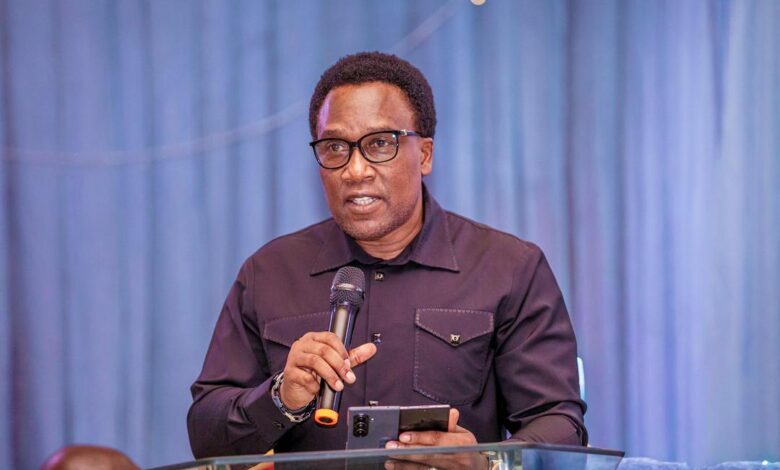
NiMet Director-General Prof. Charles Anosike, said the success of the collaboration would ultimately be measured by its impact on farmers and other users of climate information.
According to him, climate information produced for stakeholders across the agricultural value chain must be standardised and translated into practical benefits.
“The agreement must be results-based and deliver practical benefits to farmers,” Anosike said.
TomorrowNow Chief Executive Officer, Brian Miranda, said his organisation was committed to working with NiMet to take climate advisory services to scale across Nigeria’s agriculture and livestock sectors.
The partnership is expected to strengthen farmers’ access to actionable weather and climate guidance, giving producers better information to plan ahead and respond to changing weather conditions.
For a sector heavily dependent on rainfall and other weather variables, the availability of timely climate information can help farmers make more informed choices and reduce exposure to avoidable weather-related risks.
The collaboration will also seek to strengthen resilience across the wider agricultural value chain by improving the way climate intelligence is developed and delivered to its users.
Rather than allowing climate data to remain largely in technical reports and forecasts, the partners are seeking to make it a more practical tool for farmers, livestock producers and other agricultural stakeholders.
The initiative, if effectively implemented, could provide farmers with a stronger information base for navigating increasing weather variability and making decisions that protect productivity and livelihoods.