

The Central Bank of Nigeria (CBN) has restated its commitment to building a robust, resilient and inclusive financial system to support sustainable economic growth.
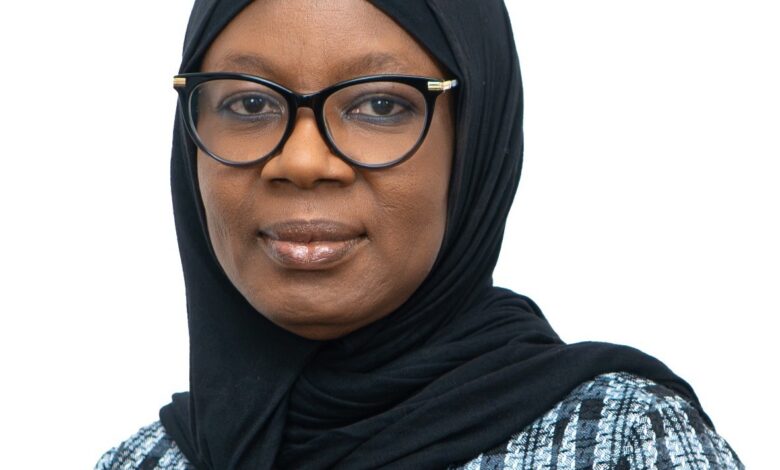
Director of Stakeholder Engagement and Institutional Relations Department, Mrs Hakama Sidi Ali, gave the assurance at the CBN Listens Programme held in Ibadan Oyo State, with the theme: “Towards a Robust, Resilient and Inclusive Financial System for Sustainable Economic Growth.”
She said the programme is one of Bank flagship stakeholder engagement platforms designed to promote constructive dialogue, deepen public understanding of monetary and financial policies and provide opportunities for citizens, businesses and institutions to offer feedback on issues affecting the financial system.
She noted that effective policy formulation and implementation required continuous engagement with stakeholders, stressing that the Bank recognised the importance of public confidence, mutual understanding and institutional collaboration in achieving statutory mandate.
According to her, CBN under leadership of Governor Olayemi Cardoso has continued to implement far reaching reforms aimed at restoring macroeconomic stability, strengthening financial markets, enhancing transparency, deepening financial inclusion and promoting confidence in the Nigerian economy.
She explained that reforms were designed to strengthen the resilience and competitiveness of the financial system while establishing a sustainable foundation for inclusive economic growth, wealth creation and poverty reduction.
Highlighting major policy achievements, Mrs Sidi Ali identified reforms in foreign exchange market including unification of exchange rates and introduction of Bloomberg BMatch trading system as significant measures undertaken to improve transparency, efficiency and confidence in foreign exchange transactions.
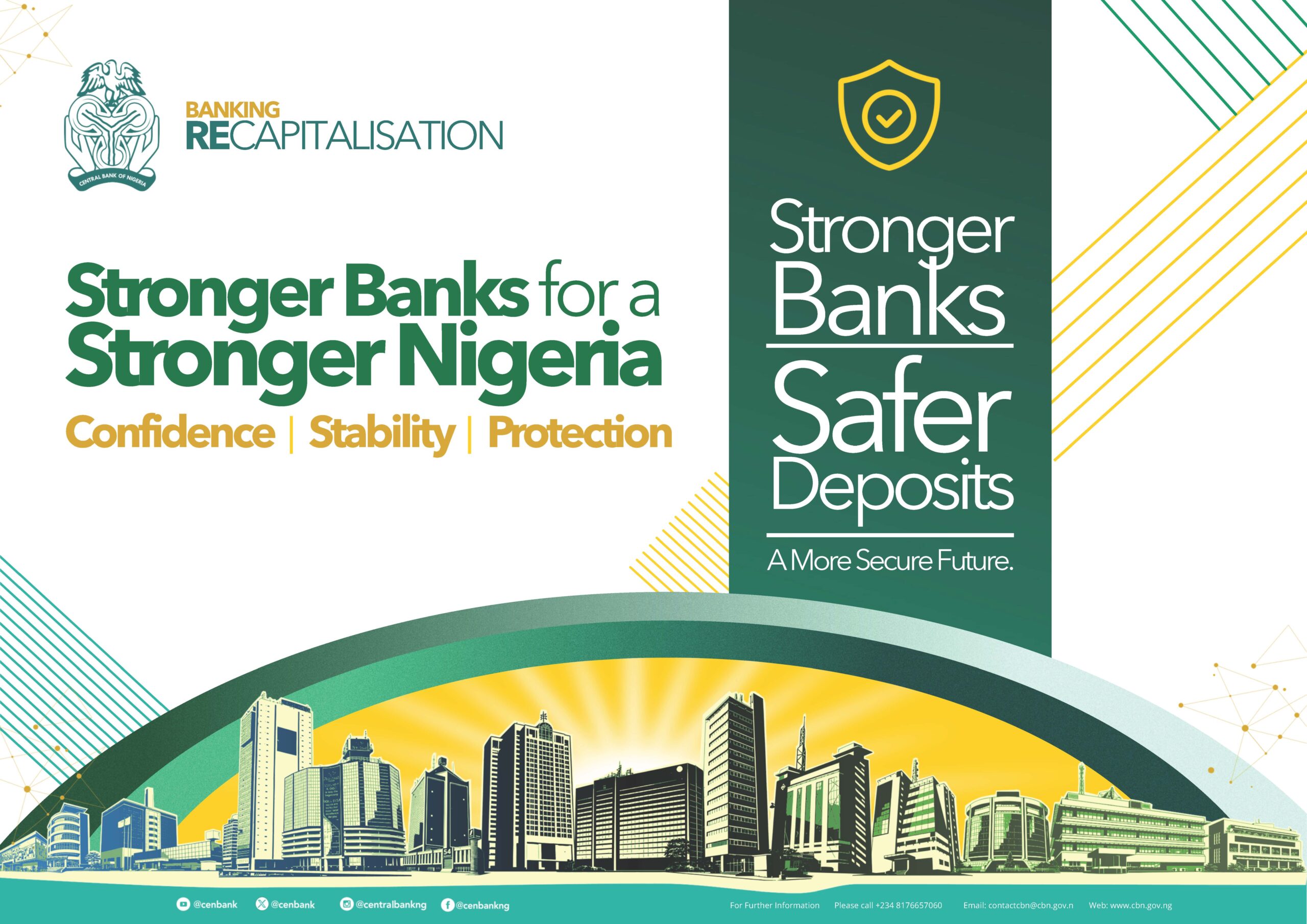
She also highlighted the successful conclusion of the banking sector recapitalisation programme as a major milestone, noting that exercise had significantly strengthened resilience, capital adequacy, capacity and competitiveness of Nigerian banks, positioning industry to provide greater support for sustainable economic growth and development.
Other initiatives highlighted included introduction of Non Resident Bank Verification Number to facilitate access to banking services for Nigerians in diaspora, unveiling of Nigeria Payments System Vision 2028 and measures to strengthen liquidity management and monetary policy transmission.
She further cited implementation of 75 percent Cash Reserve Ratio on non Treasury Single Account public sector deposits as part of Bank efforts to improve liquidity management and mitigate inflationary pressures.
She also drew attention to the introduction of Nigerian Overnight Financing Rate developed in collaboration with Financial Markets Dealers Association, explaining that benchmark provides transparent, market based reference rate for short term funding transactions and aligns Nigeria money market infrastructure with international best practices.
On financial inclusion, the Director maintained that sustainable economic growth must translate into expanded opportunities and improved access to financial services for all segments of society, particularly underserved and financially excluded populations.
She observed that financial inclusion remained a critical pillar of national development because of its capacity to stimulate entrepreneurship, reduce poverty, expand economic opportunities and promote shared prosperity.
She stated that the Bank would continue to collaborate with financial institutions, financial technology companies, mobile money operators, development partners and state governments to extend financial services to underserved and unserved communities.
Speaking on significance of CBN Listens Programme, she emphasised that stakeholder engagement remained central to Bank approach to policy formulation, communication and implementation particularly in evolving economic and financial environment.
She explained that the forum provided an opportunity for the Bank to clarify misconceptions surrounding its policies, identify emerging challenges and obtain insights from individuals, businesses and communities whose activities were affected by developments in the financial system.
She urged participants to take advantage of engagement to express views frankly and constructively, assuring them that observations and recommendations would contribute to improving effectiveness of Bank policy interventions and future stakeholder engagement initiatives.
She reiterated the Bank ‘s determination to sustain reforms that would reinforce monetary and financial system stability, deepen inclusion, strengthen public confidence and enhance Nigeria competitiveness.
The programme brought together representatives of Oyo State Government, traditional rulers, community leaders, financial institutions, market and trade associations, professional bodies, academia, civil society organisations, media and officials of the CBN.