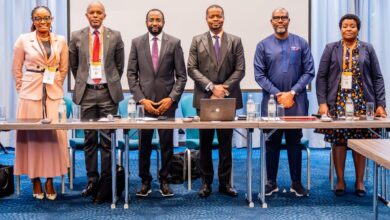



The Nigerian Communications Commission (NCC) and the Rural Electrification Agency (REA) have entered into a strategic partnership to expand broadband connectivity and improve access to electricity in underserved communities through renewable energy-powered telecommunications infrastructure.

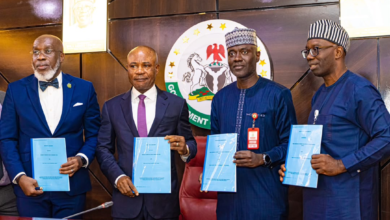
This was formalised with the signing of a Memorandum of Understanding (MoU) during the recently concluded NCC–REA Stakeholder Workshop in Abuja, according to a statement made available on Tuesday by the commission’s Director Public Affairs Department, Mrs Nnena Ukoha.
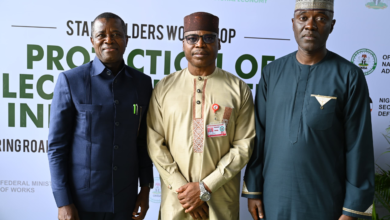
The workshop, themed “Unlocking the Energy–Telecoms Nexus for Scalable Digital Infrastructure in Nigeria,” brought together regulators, telecom operators, renewable energy developers, financiers and development partners.
The agreement is expected to align rural electrification and telecommunications projects, enabling both agencies to jointly identify communities lacking electricity and digital connectivity while reducing the cost of infrastructure deployment.
Speaking at the event, the Executive Vice Chairman the NCC, Dr Aminu Maida, represented by the Executive Commissioner, Technical Services, Engr Abraham Oshadami, said the initiative reflects the Federal Government’s commitment to expanding digital inclusion through coordinated infrastructure development.
He stressed that access to electricity and digital connectivity must be pursued together if Nigeria is to achieve sustainable socio-economic growth.
“Reliable electricity and digital connectivity are not two separate development goals. They are mutually reinforcing foundations of the same objective that produces an inclusive and productive economy,” he said.
Oshadami explained that under the partnership, the REA will provide geospatial information on existing and planned rural electrification projects, while the NCC will share data on current and planned Universal Service Provision Fund (USPF) projects.
According to him, the exchange of information will enable both agencies to identify areas requiring simultaneous investment in power and telecommunications infrastructure.
He added that the collaboration would also support the deployment of renewable energy to power telecom base stations and fibre repeater sites, while encouraging telecom operators to co-locate infrastructure on REA-developed energy facilities where feasible.
“The initiative will reduce deployment costs, improve operational efficiency and accelerate connectivity in underserved communities,” he said.
The Managing Director of the REA, represented by the agency’s Executive Director, Technical Services, Engr Umar Abdullahi Umar, said the partnership would unlock new opportunities for both the energy and telecommunications sectors.
He noted that replacing diesel-powered telecom facilities with renewable energy solutions would lower operating costs, improve service reliability and promote environmental sustainability.
“Reliable power and universal connectivity are not competing priorities. They are the same priority, approached from two directions. Where we deliver them together, the cost of each falls and the reach of both extends,” Umar said.
Presentations at the workshop focused on geospatial mapping, pilot projects and implementation strategies, while panel discussions examined financing options, policy reforms and regulatory frameworks needed to scale the initiative nationwide.
The NCC also urged industry stakeholders to develop practical financing models and regulatory measures that would ensure the successful implementation of the partnership.